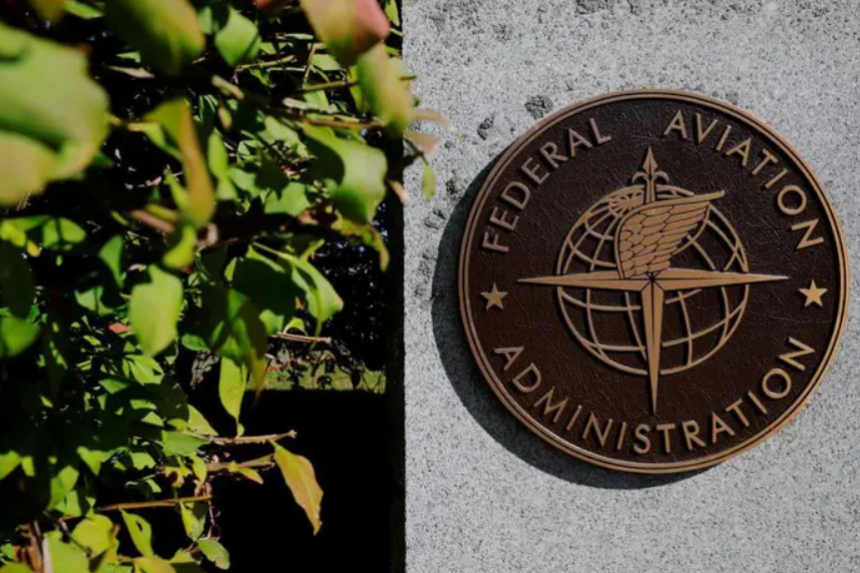
The Federal Aviation Administration (FAA) announced that it will be significantly reducing its target for air traffic control staffing. The decision is part of the 2026 Air Traffic Controller Workforce Plan, which aims to improve scheduling and increase the time spent by employees managing traffic.
Why has the Federal Aviation Administration made this decision?
The plan was announced on May 15, 2026, by the FAA in an official press release. On its website, the government agency elaborated that it intends to deliver a full staffing target of 12,563 Certified Professional Controllers (CPCs) based on forecast demand. This is a sharp reduction from its previous target of 14,633.
A report from the National Academies of Sciences issued in 2025, found that overtime costs for air traffic controllers have jumped by more than 300% since 2013, rising to over $200 million. The report attributes this to a misallocated workforce and inefficient scheduling. By improving how scheduling is carried out and reducing the need for excessive overtime, the new plan from the FAA aims to remedy this.
In a statement, FAA Administrator, Bryan Bedford said:
“This forward-thinking plan delivers on President Donald J. Trump’s promise to provide the American flying public with a world-class air traffic control system, and that starts with highly trained, professional air traffic controllers. We can’t continue to operate the same way and expect better results. We’re changing how we hire, train and schedule our controller workforce – and providing them with the state-of-the-art tools they need to succeed.”
What next for the FAA?
Alongside the cuts in staffing targets, the FAA’s 2026 Air Traffic Controller Workforce Plan sets out a number of other key changes for the upcoming financial year. This includes modernising its systems by utilising artificial intelligence and machine learning tools to simulate and manage the National Airspace System, in a bid to improve routing efficiency and traffic management.
The FAA also plans to expand advanced simulator-based training for new air traffic controllers, which it says can increase proficiency and reduce new-controller training times by up to 27%.
What do you think about this decision? Will it improve efficiency like the FAA hope? Let us know in the comments below!