


What to Do in the City?
The city forms part of the wider Costa del Sol, which attracts over 14 million visitors annually, generating more than 21 billion euros in tourism revenue. This reinforces its position as one of Europe’s leading leisure destinations, according to the Andalucia Tourism Board.
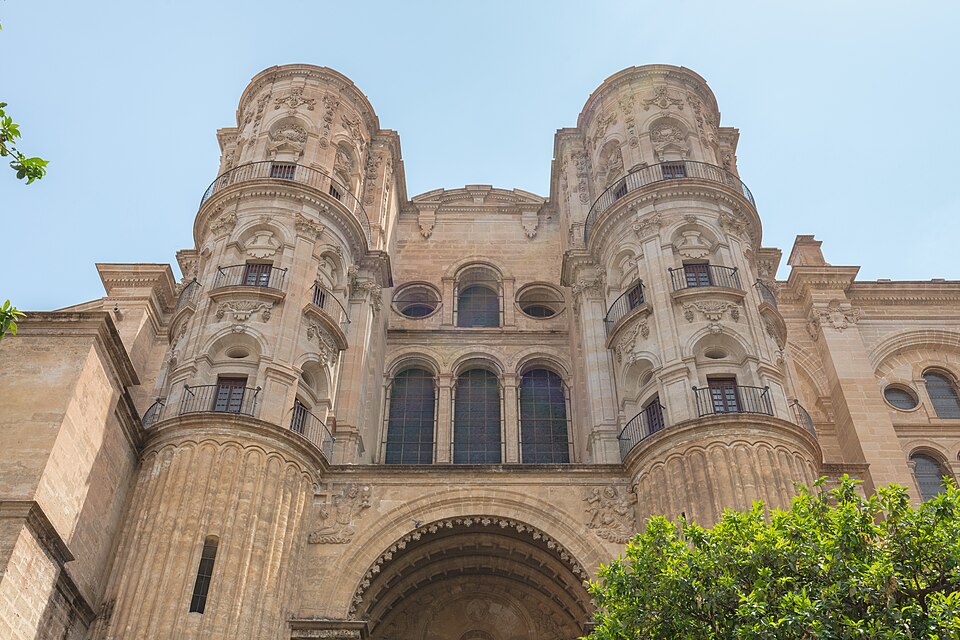
Málaga’s compact centre makes it well suited to short stays. The historic old town offers a dense mix of cobbled streets, independent restaurants, and cultural landmarks, including the Cathedral of Málaga. Dining remains relatively affordable, with wine or sangria often available at modest prices in local establishments.
A short walk from the centre leads to the Alcazaba of Málaga, a well-preserved Moorish fortress complex set on a hillside overlooking the city. The site provides insight into Málaga’s Islamic history, alongside panoramic views. Entry is free on Sunday afternoons, contributing to its popularity among visitors.
When weather permits, the coastline becomes a focal point. La Malagueta Beach, located within walking distance of the city centre, offers an accessible setting for swimming and relaxation. The surrounding promenade includes traditional “chiringuito” beach restaurants serving seafood, reflecting the city’s coastal identity. Evenings are often centred around the port area or the beachfront, where activity continues at a slower pace.
Day Trips and Hidden Gems
While Málaga itself offers enough for a short stay, its transport links also make it a practical base for exploring the wider region. From Málaga airport simply walk to the train station and take the C1 train and it’s only four stops until you’re in the city centre. The coastal city of Marbella is reachable by bus and provides a contrast between its historic old town and modern resort areas. In land, smaller settlements such as Mijas Pueblo and Frigiliana offer quieter environments characterised by traditional architecture. Another day trip which tourists can access via public transport is a visit to the Castillo de Colomares monument, with entry at 3.50 euros according to the Andalucía Tourism Board, 2025.
For those willing to travel further, cities including Granada and Ronda provide more extensive historical and cultural experiences. Alternatively, the coastal town of Nerja has grown in popularity as a less crowded seaside option, according to Guide to Malaga, reflecting a wider trend of visitors seeking alternatives to busier resorts.
What to Watch Out for When Flying with Budget Carriers
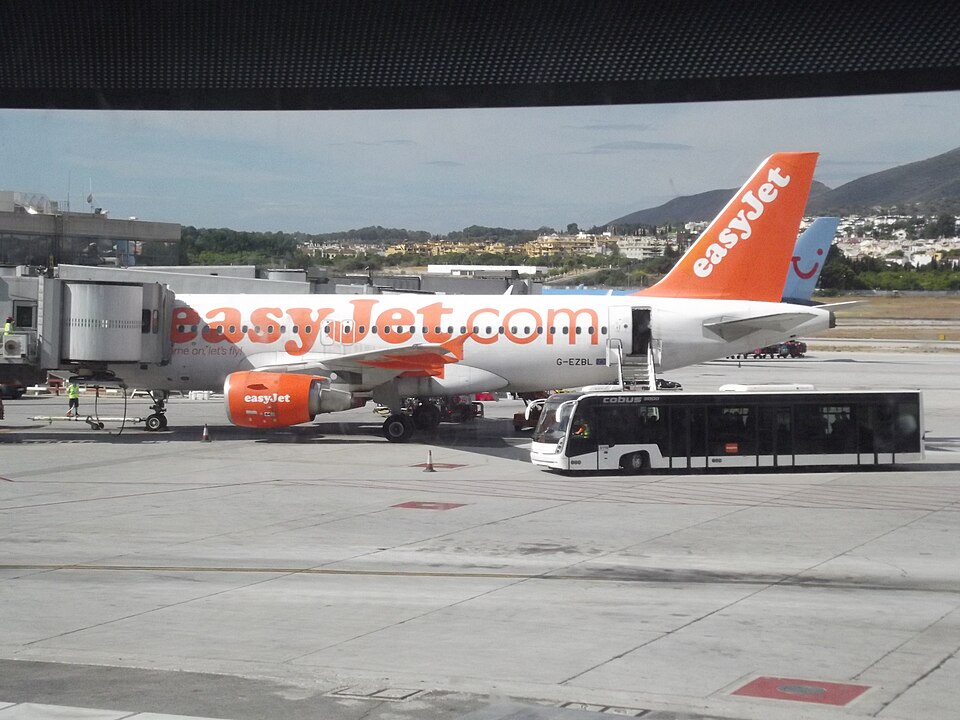
Despite the availability of low fares, air travel to Málaga increasingly reflects the wider economics of budget airlines. While ticket prices may appear low, additional charges for baggage, seat selection, and boarding priority can significantly increase the total cost according to the International Air Transport Association (IATA). This pricing structure is becoming even more important as airlines respond to rising operational costs. Higher jet fuel prices, partly driven by geopolitical instability, have led many carriers to rely more heavily on ancillary revenue streams. In some cases, base fares remain low to attract demand, while overall trip costs increase through add-ons, according to IATA and McKinsey & Company.
As low-cost carriers continue to dominate short-haul routes, travellers are required to pay closer attention to fare conditions and restrictions. Small differences in baggage size or booking options can have a noticeable financial impact. However, rising jet fuel costs and ongoing geopolitical tensions, including the U.S.–Iran conflict, are beginning to challenge the sustainability of these ultra-low fares. According to IATA, the dominance of low-cost carriers on short-haul European routes has helped sustain competitive pricing and high connectivity.
What do you think of Málaga as your next travel destination? Let us know in the comments below.