Lufthansa Group reported improved first-quarter 2026 results, with stronger revenue growth and a narrower operating loss. Consistent passenger demand and cargo performance helped offset rising fuel costs from geopolitical tension in the Middle East.
Revenue rises as Lufthansa reports improved quarterly results
The group said revenue increased 8% year-on-year to 8.7 billion euros (£7.3 billion) in the January-March period. Meanwhile, its adjusted operating loss narrowed to 612 million euros (£514 million) from 722 million euros (£606 million) a year earlier.
Performance was supported by sustained demand for international air travel, especially in March, when passenger flows moved away from the Middle East amid regional tensions.
Additionally, seat load factor rose to 81.9% while unit revenues increased 3.3%, driven by strong premium cabin demand. Lufthansa also adjusted its network to capture higher demand on popular routes such as Asia and Africa.
“We are satisfied with the first quarter,” said chief financial officer Till Streichert of Deutsche Lufthansa AG. “The earnings improvement of €110 million already represents a substantial portion of what we had planned for the full year.”
Altogether, the network airlines segment recorded an adjusted operating loss of 605 million euros (£508 million). An overall improvement of 135 million euros (£113 million) when compared with the previous year.
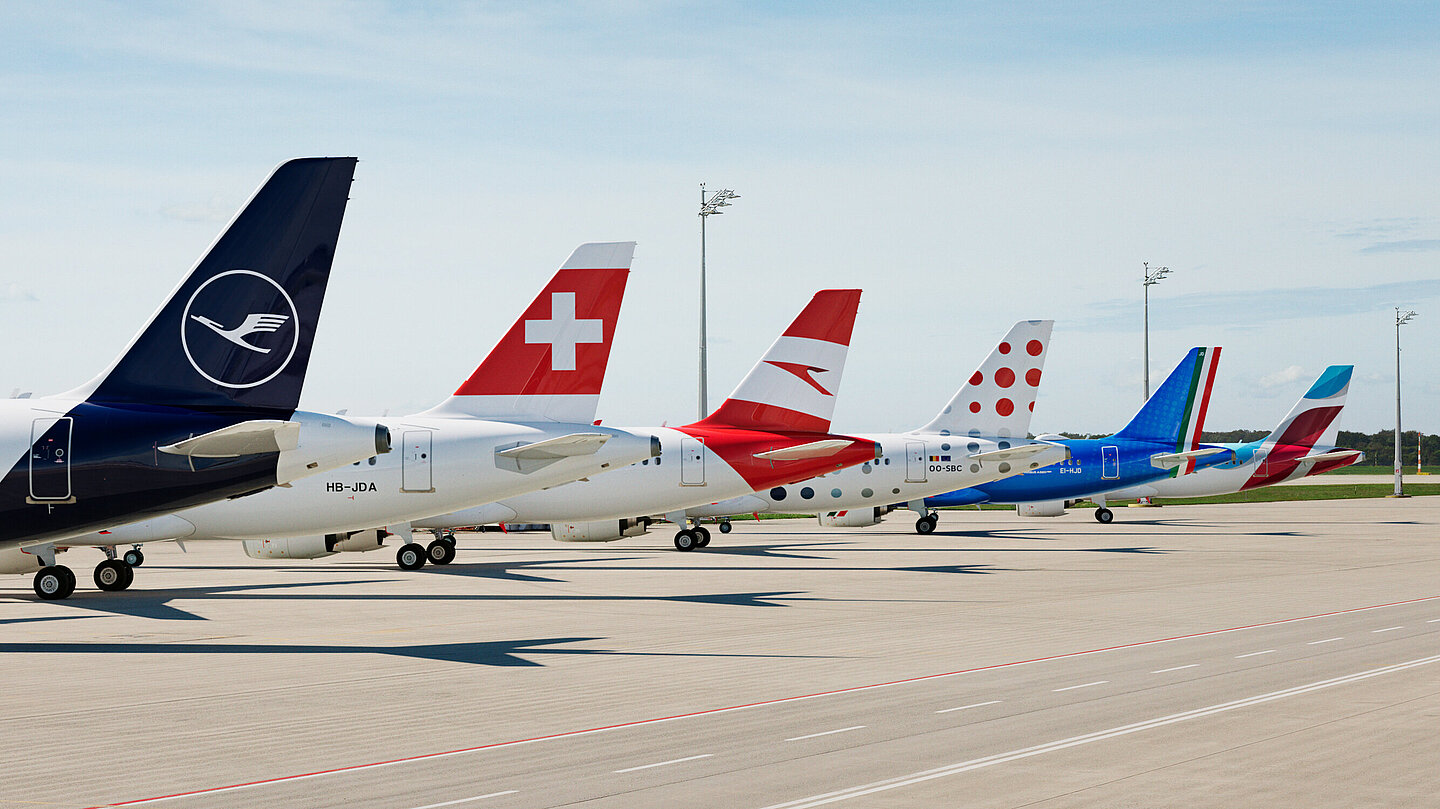
Lufthansa’s maintenance and cargo units show stable results
Lufthansa Cargo also delivered solid results. Notably, its operating profit of 83 million euros (£70 million) was up from 62 million euros (£52 million) the year prior. This amount was strengthened by stronger yields and increased belly-hold capacity.
Lufthansa Technik posted earnings of 158 million euros (£133 million), broadly unchanged from the year before. This was caused by supply chain constraints, staffing shortages and higher operating costs.
Carsten Spohr, chief executive of Deutsche Lufthansa AG, said the group’s broader business mix continued to provide resilience.
“Complemented by a successful Lufthansa Cargo and Lufthansa Technik, together with our team of 110,000 employees, we will emerge from this crisis even stronger,” he said.
By contrast, the group’s point-to-point airlines segment, including Eurowings, reported an adjusted loss of 215 million euros (£181 million). Capacity increased 5%, but higher maintenance expenses, operational disruptions and temporary route suspensions weighed on the overall performance.
Outlook steady despite cost pressures
Lufthansa suggested they are preparing to face increasing fuel costs linked to disruption around the Strait of Hormuz.
“We expect to be able to largely offset the high fuel costs successively, especially in the second half of the year,” Streichert said, adding the current booking trends support that view.
While much of its fuel exposure is hedged, the group warned that price volatility and potential supply risks will remain as key uncertainities. It plans to offset additional costs through higher ticket revenues, network optimisation and cost discipline.
Despite these pressures, Lufthansa maintained its full-year outlook, expecting adjusted operating profit to be significantly above 2025 levels. The group said demand for air travel remains strong heading into the summer peak, though it cautioned that geopolitical uncertainty and fuel market volatility have increased risks.
Overall, Lufthansa said it remains confident of delivering a stronger full-year result despite these pressures, supported by steady demand and contributions from its cargo and maintenance divisions.
Will strong passenger demand and cargo performance be enough for Lufthansa to compensate for higher costs in 2026? Share your views in the comments.