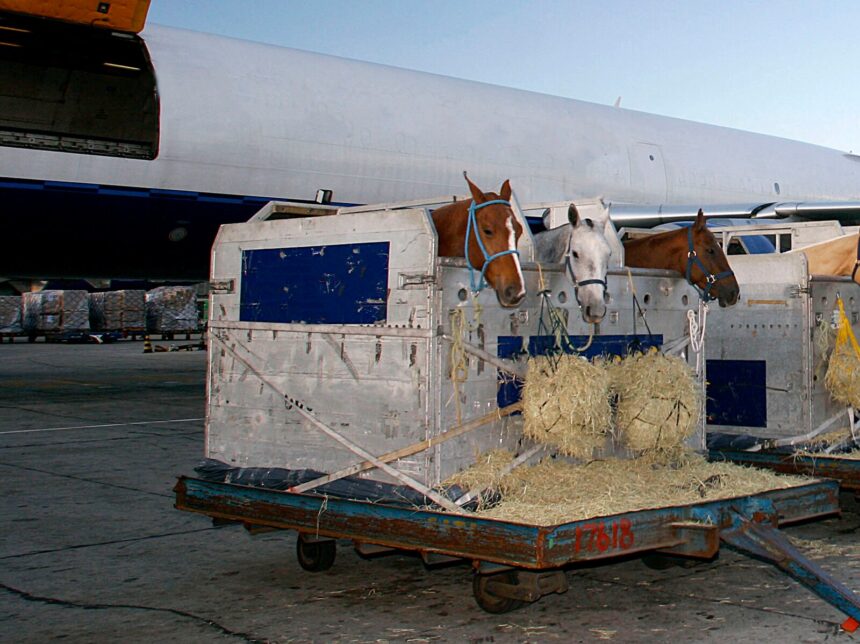
As global supply chains stretch further and grow more complex, the safe transportation of live animals, perishables, and pharmaceuticals has evolved into one of aviation’s most critical—and scrutinised—sectors. With the pharmaceutical industry alone projected to reach nearly $3 trillion by 2034, according to Precedence Research, the pressure to move sensitive cargo safely, humanely, and efficiently has never been greater.
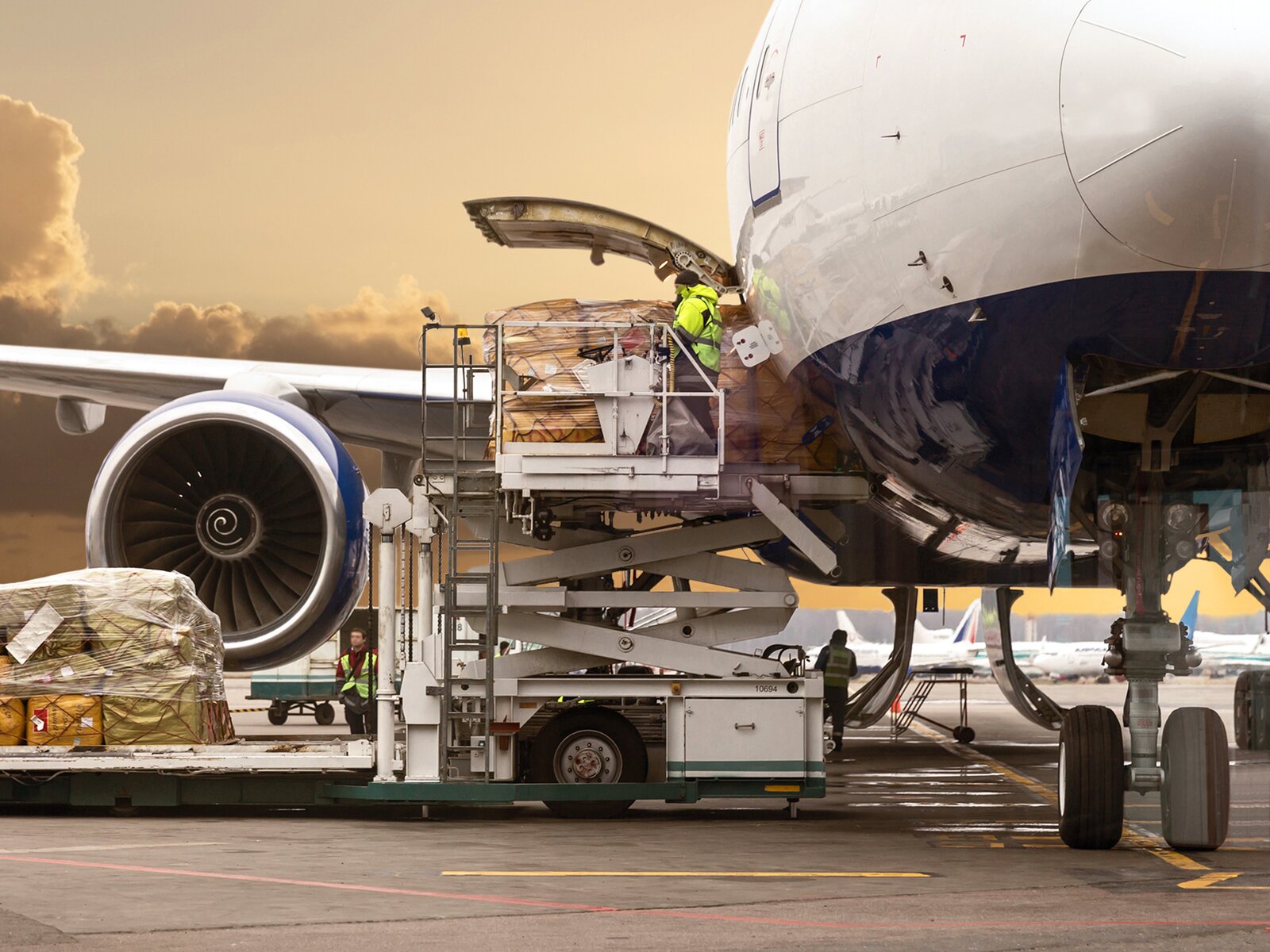
The Three Pillars of Trust
The safe transportation of special cargo rests on three foundational pillars: standards, training, and verification.
Standards ensure goods are handled correctly and consistently. Training ensures personnel understand and apply those standards. Verification—through audits, certifications, and performance measurement—ensures compliance and continuous improvement.
IATA’s Head of Cargo Operations, Mail & E-Commerce, André Majeres says:
“IATA’s Center of Excellence for Independent Validators (CEIV) in Live Animals, Fresh, and Pharma helps organizations throughout the air cargo supply chain to achieve operational excellence.”
The numbers tell a compelling story. As of the end of 2025:
- CEIV Live Animals counts 36 certified organisations
- CEIV Fresh has 55 certified organisations
- CEIV Pharma leads with 562 certified organisations
Training participation has also surged, reflecting industry-wide recognition that special cargo demands specialised expertise.
Raising the Bar for Animal Welfare
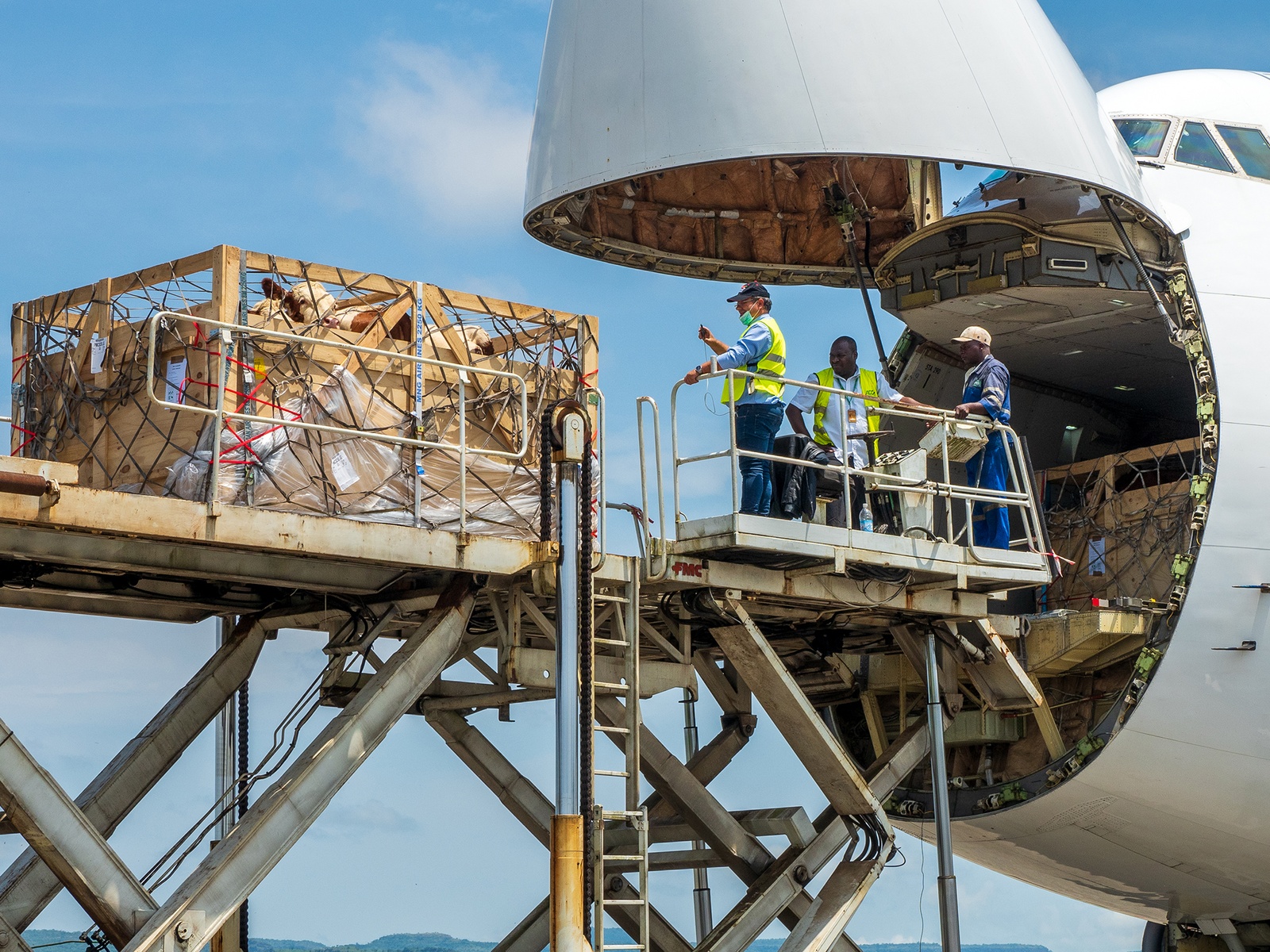
Transporting live animals is not just a logistics challenge—it is a moral and regulatory responsibility. Welfare hinges on appropriate space, ventilation, hydration, nutrition, and monitoring.
IATA’s Live Animals Regulations (LAR)—in place for over half a century—have become a global benchmark. By the end of 2025, 46 countries had embedded these standards into national regulations. Even the European Union Aviation Safety Agency (EASA) has endorsed the framework.
A new digital initiative—LAR Verify—aims to shift live animal logistics from reactive troubleshooting to proactive, digitally driven compliance, allowing stakeholders to validate shipment requirements before problems arise.
Guarding the Cold Chain
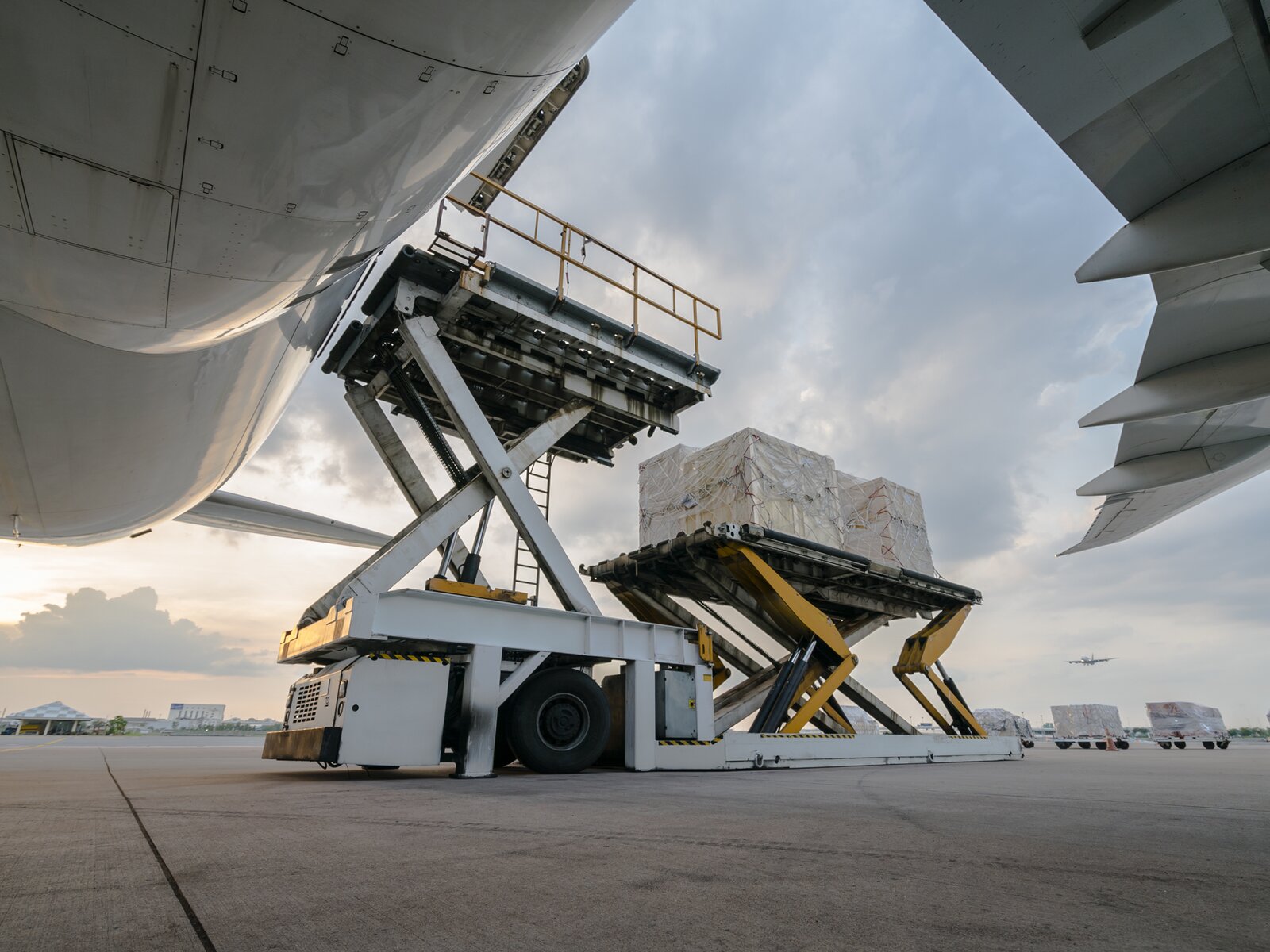
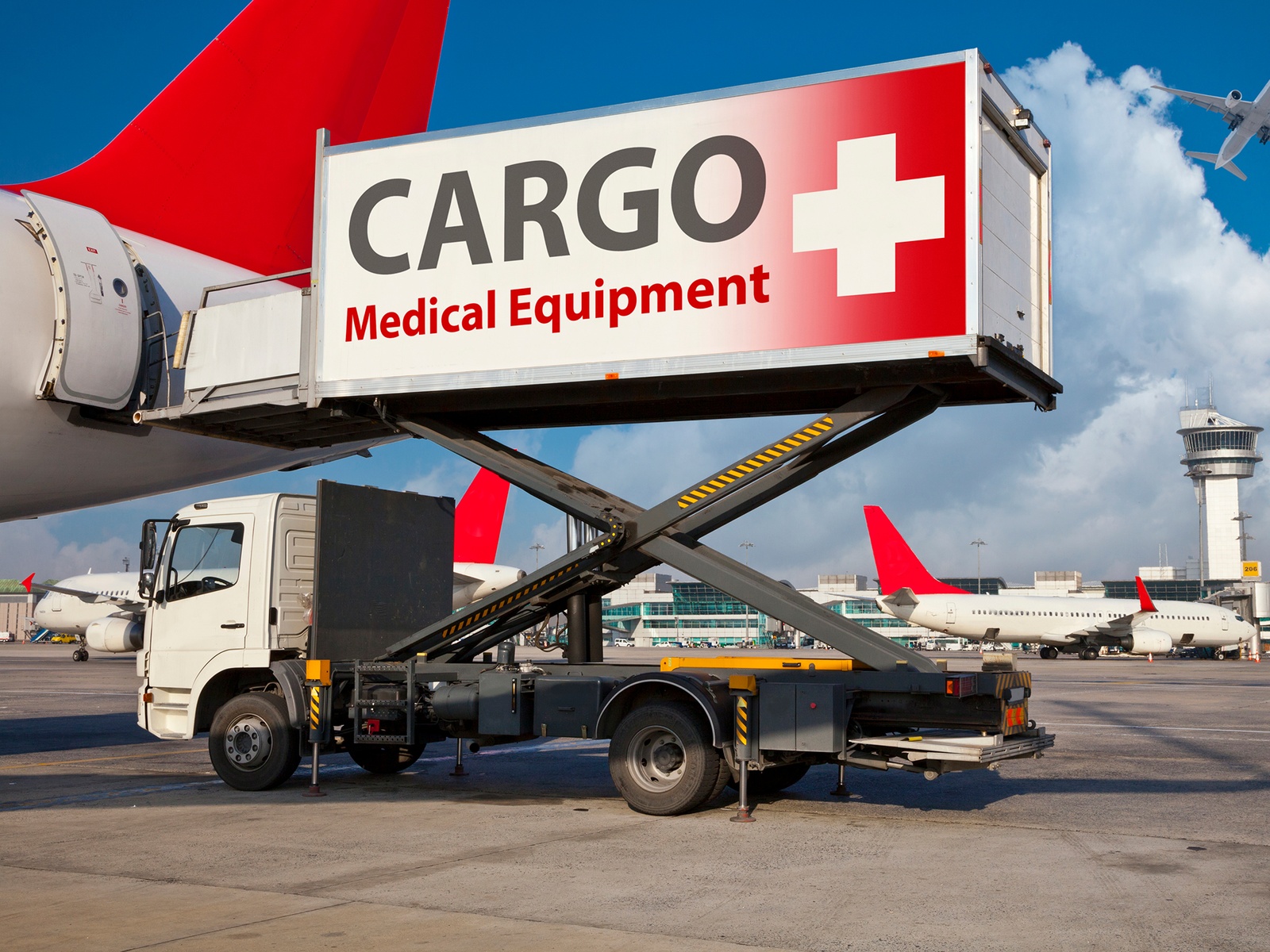
For perishables and pharmaceuticals, integrity of the cold chain can mean the difference between nourishment and waste—or between life-saving treatment and compromised medicine.
IATA’s Temperature Control Regulations (TCR) and Perishable Cargo Regulations (PCR) set out detailed handling protocols, supported by infrastructure guidance in the Airport Development Reference Manual.
While compliance is generally strong, weak links remain—particularly during ground handling, where cargo may be exposed to excessive heat or cold.
Technology is stepping in:
- Advanced refrigeration systems
- Solar-powered unit load devices (ULDs)
- Passive and active temperature-controlled containers
- Thermal protection solutions
Meanwhile, “One Source,” IATA’s digital platform, matches shipper requirements with certified infrastructure and service providers across the supply chain—bringing transparency to capability and compliance.
Data: The New Safety Net
The next frontier in special cargo isn’t just physical—it’s digital.
Through its Global Aviation Data Management (GADM) platform, IATA aggregates operational data from multiple safety and performance programs. A newly developed granular taxonomy now allows analysts to pinpoint exactly where and why shipments fail.
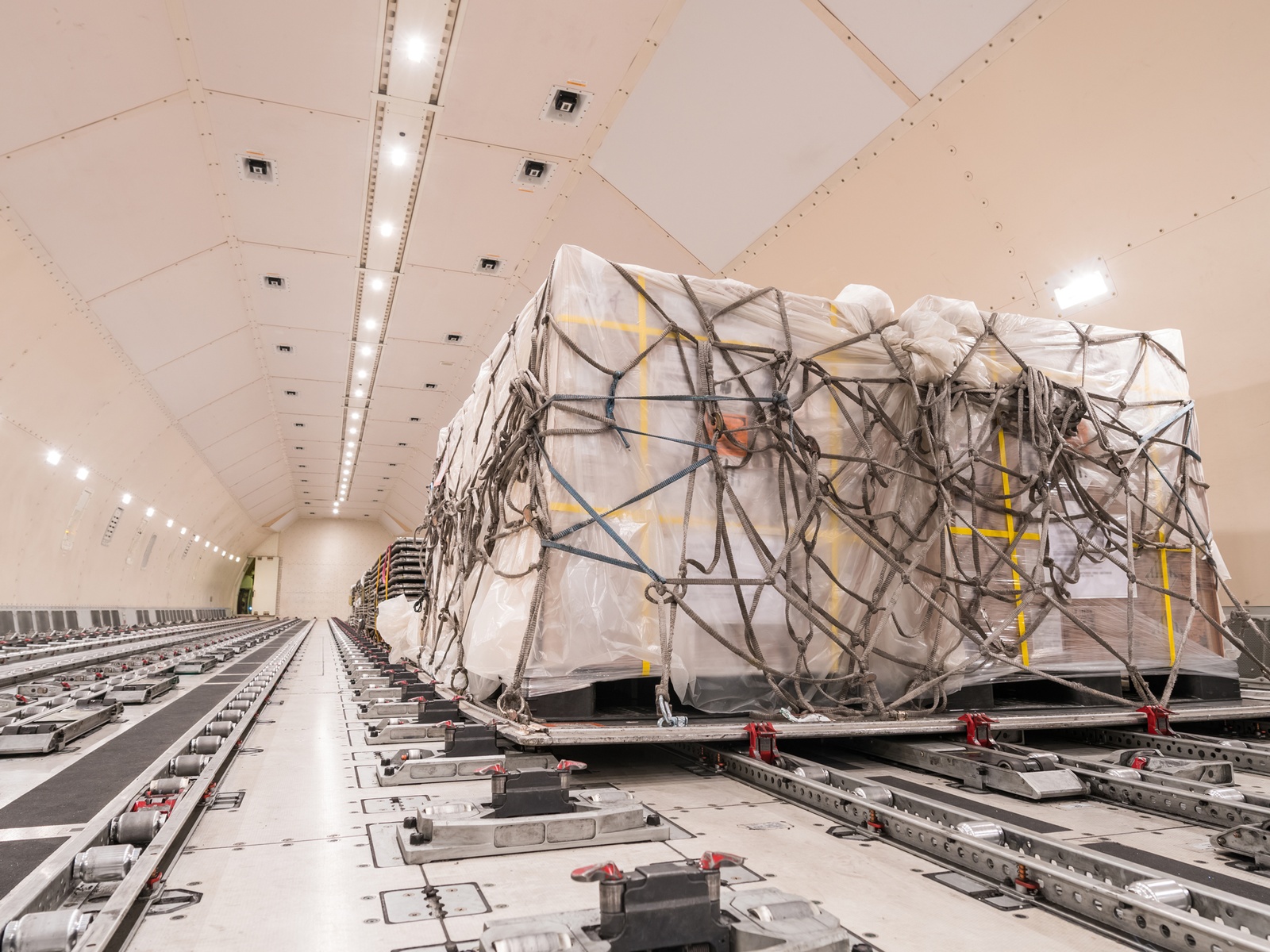
Combined with ONE Record’s near-real-time visibility, shipments can now be tracked across key milestones—from cargo acceptance (RCS) to delivery (DLV). Soon, every stage of the journey will be digitally time-stamped.
This level of transparency is increasingly vital as liability complexities grow. Responsibility may shift between shippers, agents, handlers, and carriers—sometimes with one organization performing multiple roles.
Data clarity helps define accountability.
Reducing Waste, Improving Resilience
In the perishables sector alone, an estimated 12% of food production is lost between origin and supermarket shelves. While only a small portion of this waste occurs during air transport, even marginal efficiency gains can have significant environmental and economic impact.
Humidity damage to packaging, crush risks, and improper handling all represent opportunities for improvement. According to Majeres, closer engagement with shippers is key—not only to enforce standards, but to understand pain points and refine service delivery.
The broader push toward resilience also extends into cybersecurity, climate mitigation data, and risk assessment—reflecting the growing intersection of logistics, sustainability, and digital security.
The special cargo industry is no longer simply about moving goods from point A to point B. It is about safeguarding animal welfare, preserving food integrity, protecting patient health, and minimizing waste—all under growing regulatory, environmental, and legal scrutiny.
Majeres concludes:
“IATA standards and CEIV programs have improved how special cargo is handled, but we are not stopping there. We will continue to refine and improve standards, infrastructure, and processes.”
In an era where supply chain resilience defines economic stability, special cargo may no longer be a niche segment of air freight—it may be its most vital frontier.
Can the aviation industry afford to treat special cargo as a niche segment? Let us know below!