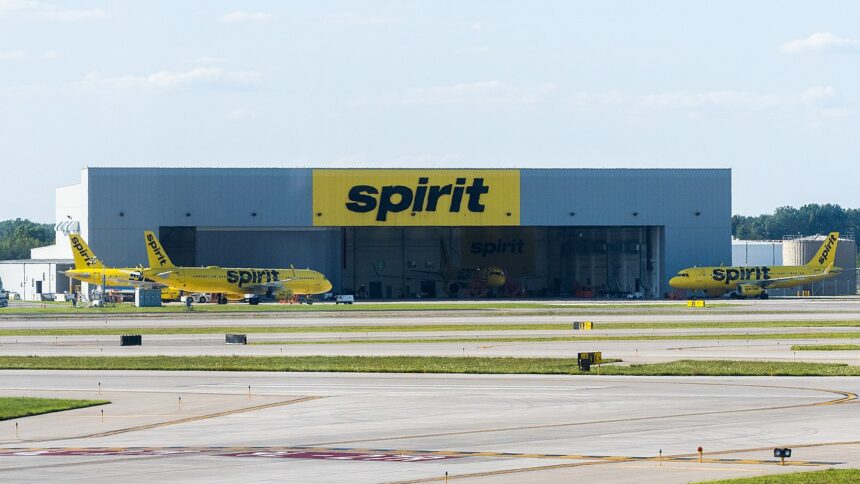
Spirit Airlines isn’t disappearing after all. The Florida-based carrier says it expects to emerge from Chapter 11 bankruptcy in early summer. This follows a new agreement with lenders that clears a path out of court protection.
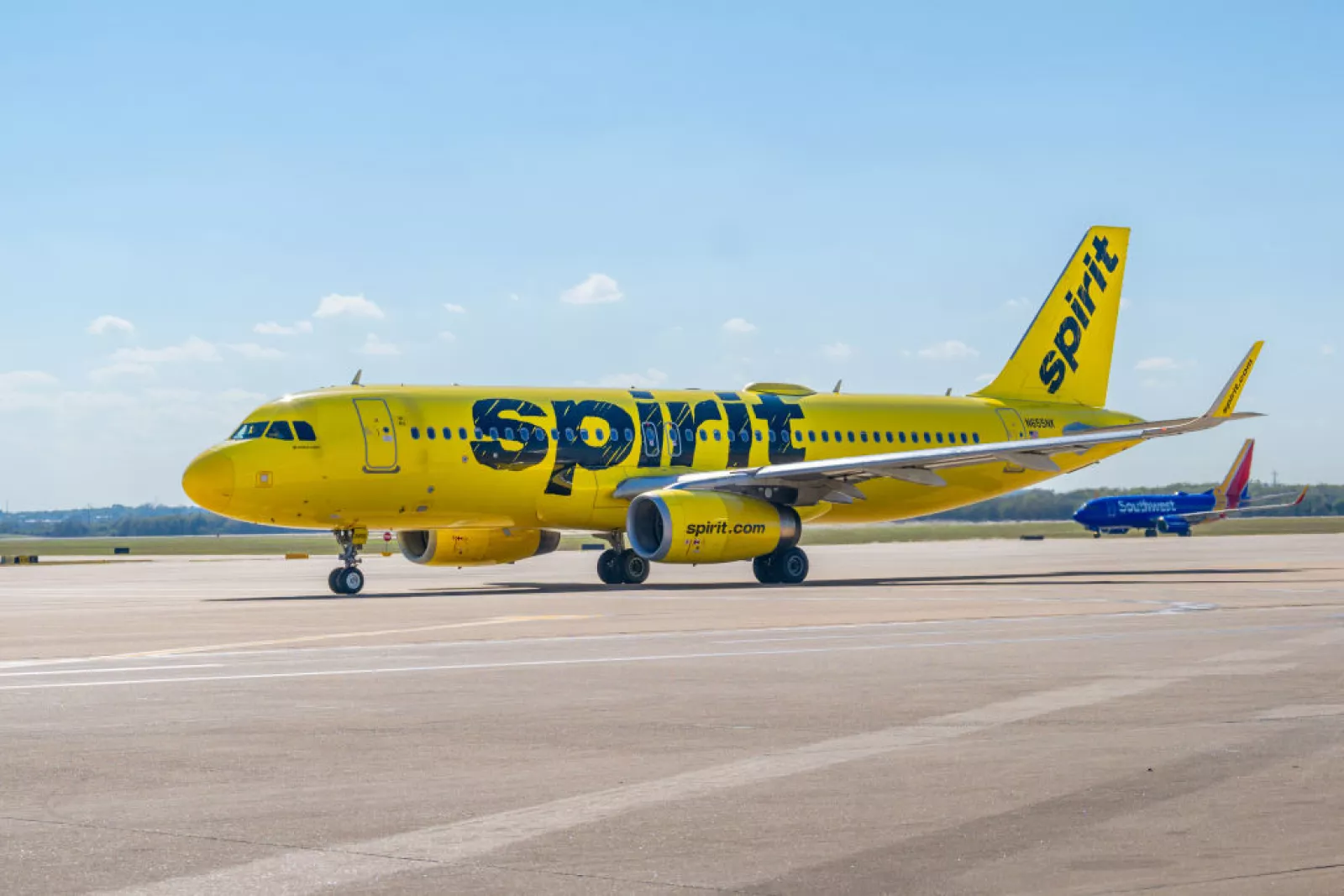
A Smaller, Leaner Spirit
The airlines parent company – Spirit Aviation Holdings, reached a restructuring support agreement with debtor-in-possession lenders and secured noteholders this week. Under the consensus, the ultra-low-cost carrier will be granted the financial backing it needs to complete its overhaul.
Chief Executive Dave Davis said the company will exit bankruptcy as a,
“strong, leaner competitor,” focused on low fares but with more flexible seating options.
The deal comes after a turbulent stretch for the airline. As pandemic-era losses mounted and travellers gravitated toward airlines offering more comfort and bundled amenities, the carrier became financially strained. Spirit eventually filed for bankruptcy protection twice in recent years. Since 2020, the carrier has lost more than $2.5 billion.
To stabilise its finances, Spirit has lessened its fleet numbers, sold airport gates and trimmed its network. It is marketing 20 Airbus A320 and A321 aircraft for sale and has rejected leases on several jets, including some higher-cost A320neo models. Additionally, the airline furloughed employees and closed certain crew bases.
When it eventually exits Chapter 11, Spirit expects to reduce its debt and lease obligations from roughly $7.4 billion before filing to about $2.1 billion.
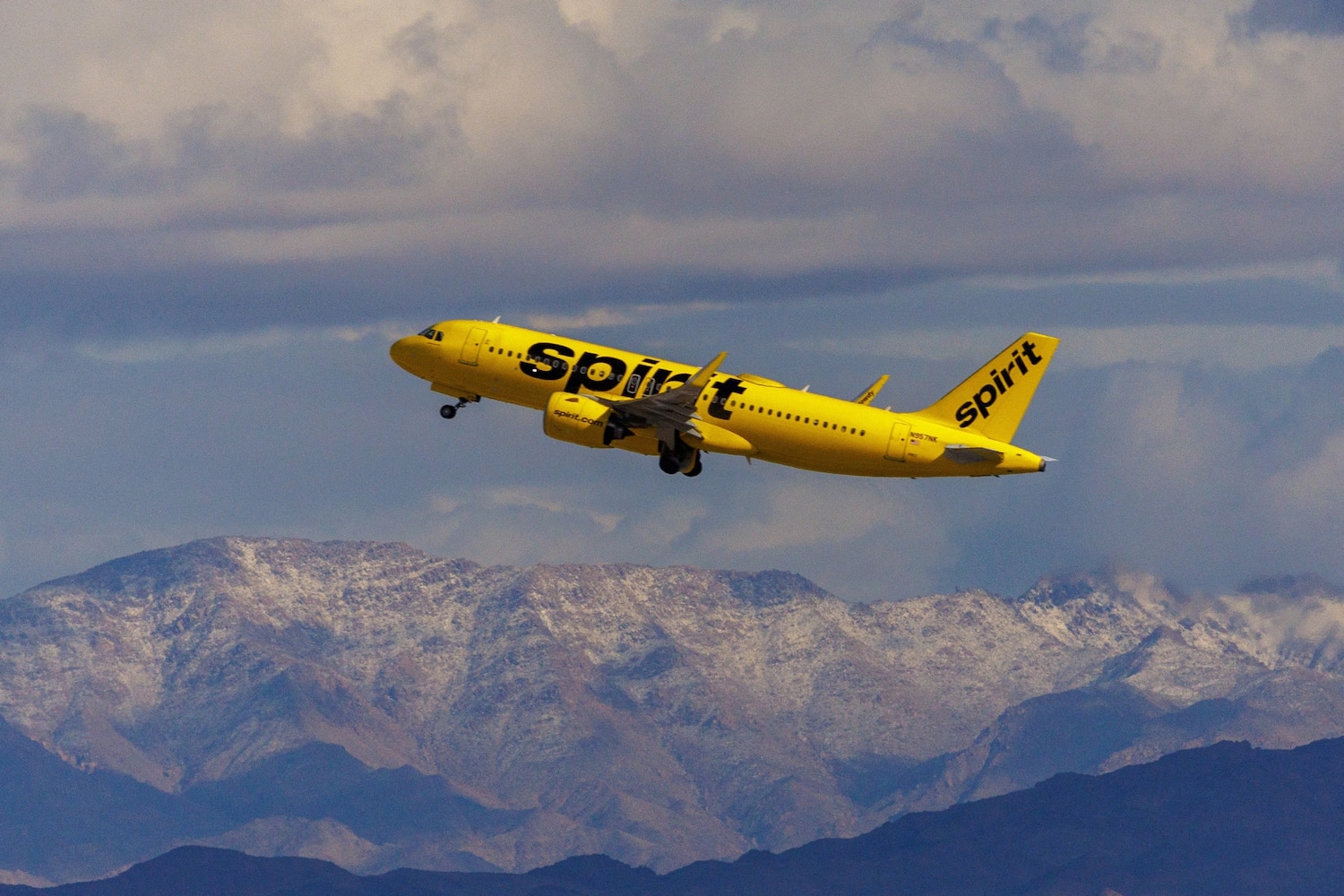
What’s Next for Spirit?
Spirit will emerge smaller than before. This summer, it plans to operate nearly 40% fewer flights than during the same period in 2024. The airline has already undergone changes, suspending services in about a dozen U.S. cities as part of its restructuring.
Still, Spirit intends to remain independent. Their first previous merger attempt with Frontier Airlines unravelled. While their second attempt with JetBlue Airways was blocked by a federal judge on antitrust grounds.
Even as a smaller player, Spirit has shaped the market. Its cheaper pricing model has pushed major airlines to match prices.
Now, Spirit is betting that a lighter balance sheet and a tighter route map will give it room to compete again. Not as the airline it once was, but one slimmed down for survival.
Do you think Spirit’s restructuring will make it stronger in the long run? Tell us your thoughts below!