Following a £6.5 million deficit in 2024, Guernsey’s government-run airline, Aurigny Air Services, finds itself under fresh review by officials and residents alike. Though created to serve essential transport needs, questions now arise about its durability beyond public duty. This follows its sole owner describing the results as “not satisfactory,” with concerns emerging about the airline’s long-term financial performance.
Shareholder Flags Potential Long-Term Financial Risks
Despite being expected to support the community, the carrier must also adapt to economic realities following recent attempts to slash fares and increase sales earlier this year.
Since stability remains uncertain, discussion continues on what balance looks like moving forward.
A few voices within the States of Deliberation voiced unease, among them Simon Vermeulen. His remarks focused on shifts implemented lately and whether those outcomes are beginning to show results.
The airline’s sole shareholder, the States Trading Supervisory Board (STSB), stated that the 2024 financial outcome fell short of expectations. Continued weak performance could lead to ongoing pressure on public funds if results do not improve. The board’s assessment emphasised sustainability challenges ahead.
The STSB added that improved management of expenses, alongside smoother operational performance, will be necessary. However, the board also stated that continued public ownership remains appropriate because Guernsey relies heavily on stable air services for commerce, medical travel, and maintaining connections with the UK and Europe.
Among island regions, maintaining airline services profitably can present significant challenges, the STSB noted. Where routes hold strategic importance, public financial support is often required to ensure continuity of service.
Reduced wet leasing shows operational improvement
A key concern for Guernsey’s government-run airline involves Aurigny’s long-standing use of wet-leased aircraft, which are supplied with crew, maintenance, and insurance by external operators.
Because these aircraft are operated by outside providers, oversight and operational control can become more complex for the airline.
One way the carrier adjusted its operations was by sharply cutting wet-leased aircraft use during 2025. That reduction followed efforts to rebalance the fleet and bring more flights back under Aurigny’s direct control.
A shift away from wet leasing marks progress for the airline, given its past reliance on these arrangements during periods of mechanical disruption and fleet shortages. Oversight bodies note that while the reduction is positive, additional operational improvements may still be required.
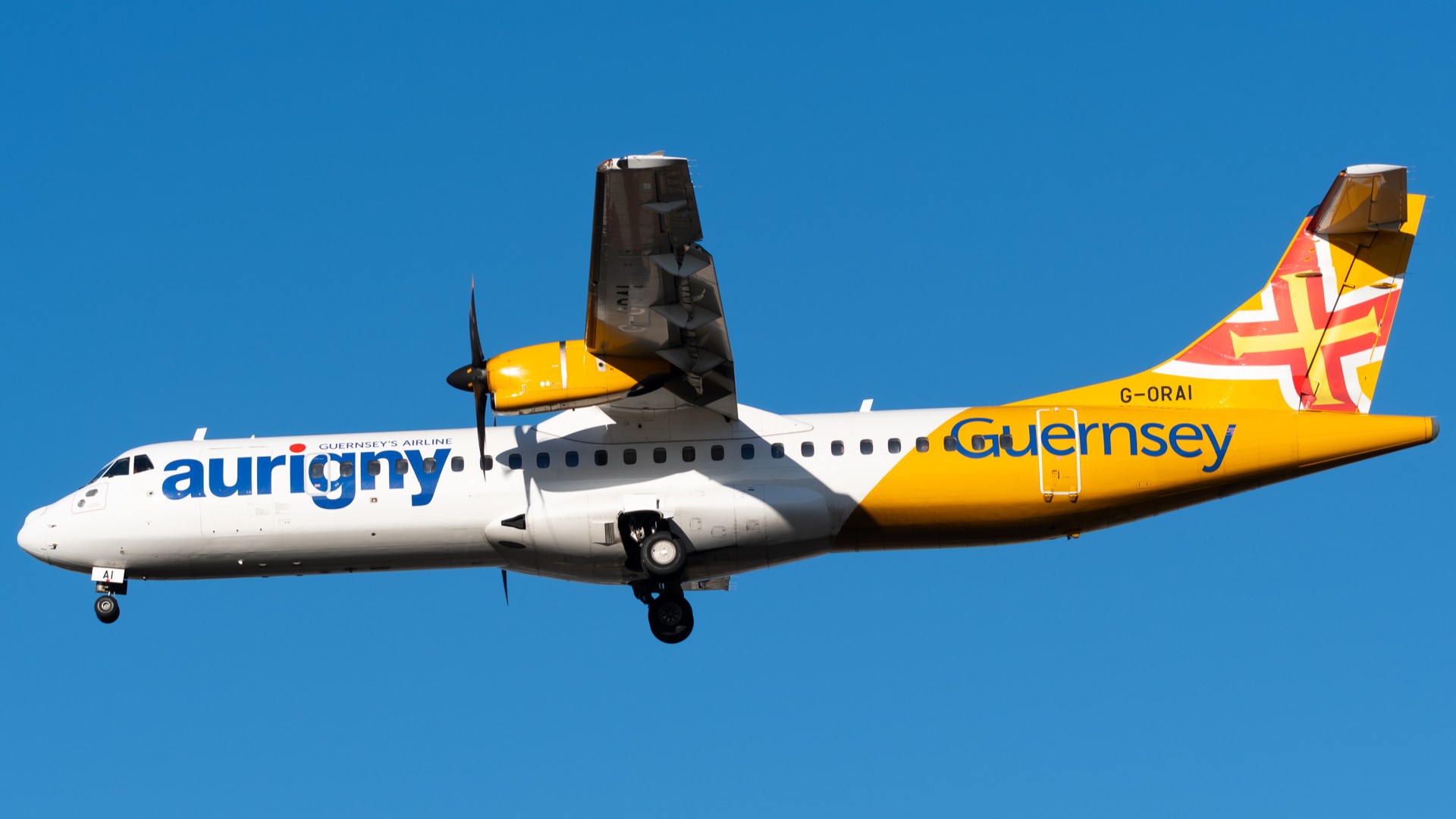
Aurigny’s operations continue to rely largely on ATR turboprop aircraft, which are suited to the short routes connecting the Channel Islands with southern parts of the United Kingdom. These aircraft remain widely used across regional European aviation where shorter distances define travel needs.
Public Money and Links to Heathrow
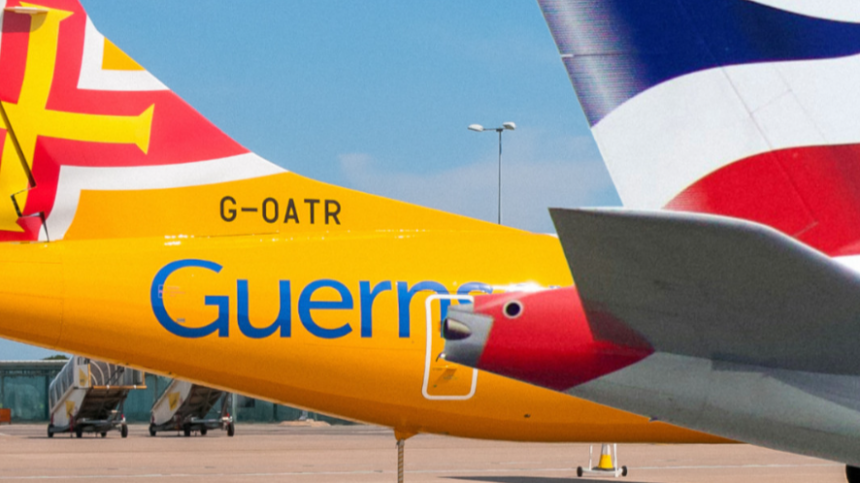
The shareholder board also highlighted continued government support for key transport links, including funding connected to a new route between Guernsey and Heathrow Airport.
The service, operated by British Airways, is scheduled to begin in April. The route will restore direct access between Guernsey and Heathrow, one of Europe’s busiest international airports, providing passengers with improved connections to long-haul destinations.
Financial support for the route comes from Guernsey’s Economic Development Committee. According to the STSB, private operators have historically struggled to maintain these routes without financial assistance. Previous attempts by independent airlines have often been short-lived, leading the government to step in to help maintain essential connectivity.
For updates on all things aviation, subscribe to Travel Radar today!