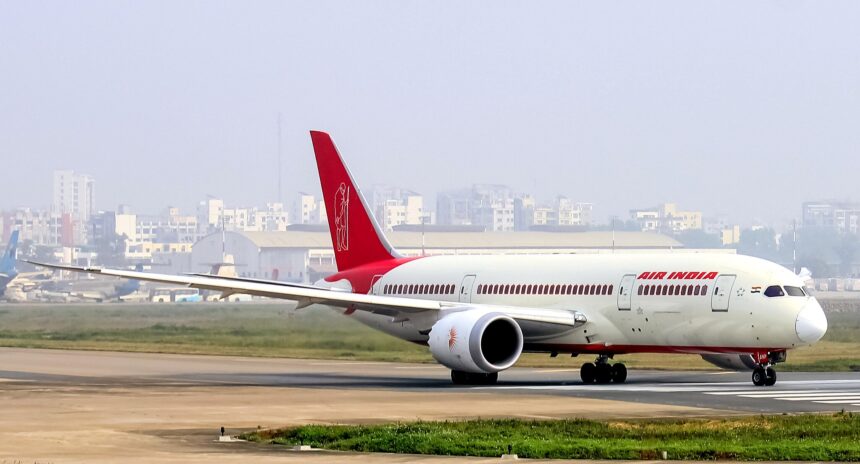
India’s airlines are juggling major aircraft purchases and concerns over cabin crew and pilots working conditions, even as regulators and carriers debate how to boost safety and operational efficiency across the rapidly growing aviation market.
$100bn worth Boeing orders
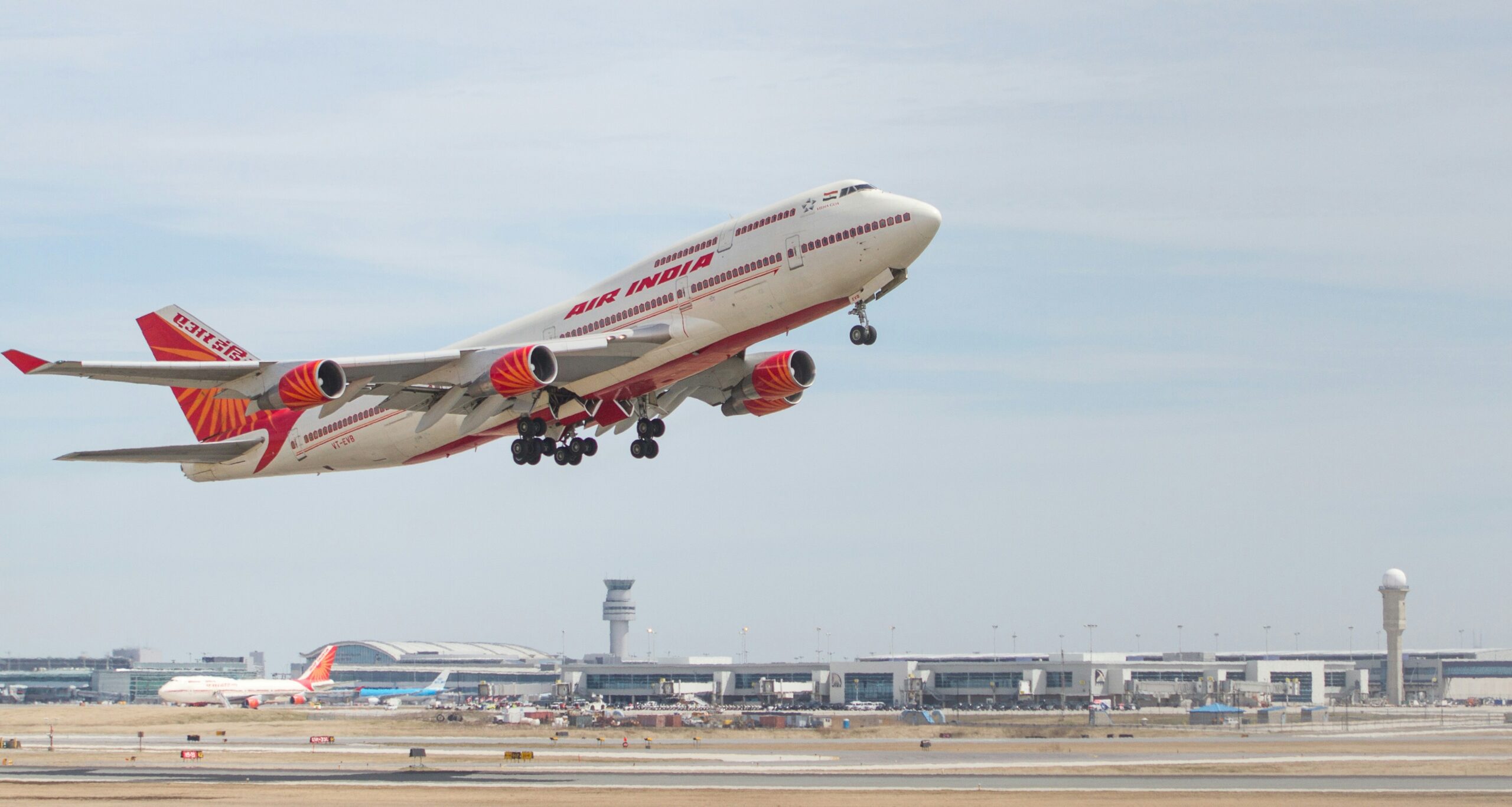
Air India has significantly expanded its fleet renewal strategy with a large-scale Boeing order covering both narrowbody and widebody aircraft. The carrier confirmed orders for 109 Boeing 737-8s, 60 Boeing 737-10s, 10 Boeing 777-9s, and 19 Boeing 787-9 Dreamliners, strengthening its plans to grow across domestic, regional and long-haul markets.
The fleet commitment is part of a broader $100 billion Boeing order, reportedly linked to recent trade negotiations between India and the United States. Following an agreement to reduce tariffs on Indian goods from 55% to 18%, New Delhi signalled its readiness to move forward with substantial aircraft purchases. The deal has been viewed as both a commercial fleet investment and a strategic economic move aimed at strengthening trade ties.
Growth Plans Meet Fatigue Safety Debate
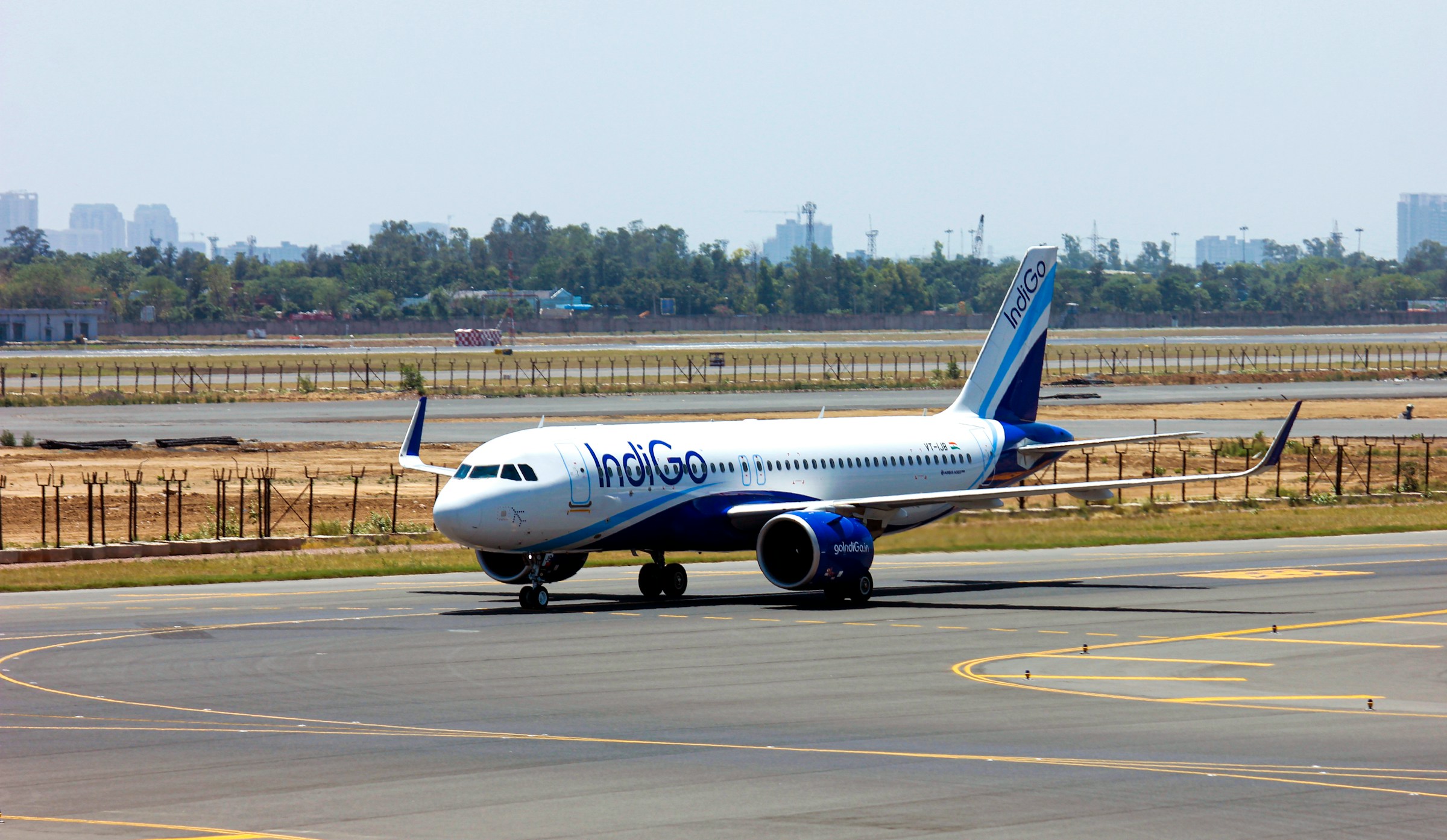
At the same time, major Indian carriers including Air India and IndiGo have raised concerns about proposed changes to cabin crew fatigue management rules currently being discussed by the Indian government and aviation regulator. The draft proposals, aimed at enhancing safety by increasing minimum rest times for cabin crew from 36 to 48 hours, and requiring single-occupancy hotel rooms on layovers, are part of broader efforts to improve operational safety after recent safety challenges in Indian aviation.
The Federation of Indian Airlines (FIA), which represents Air India, IndiGo and other carriers, has argued that some of these proposed rules go beyond international norms and could complicate scheduling, disrupt flight operations, and increase costs. This debate follows a series of high-profile safety incidents and accidents over the past year. Indian carriers have faced heightened scrutiny after the deadly Air India crash in June 2025, which killed 260 people and prompted regulatory warnings about fatigue management and training practices.
What’s your take on these new developments? Let us know in the comments.