
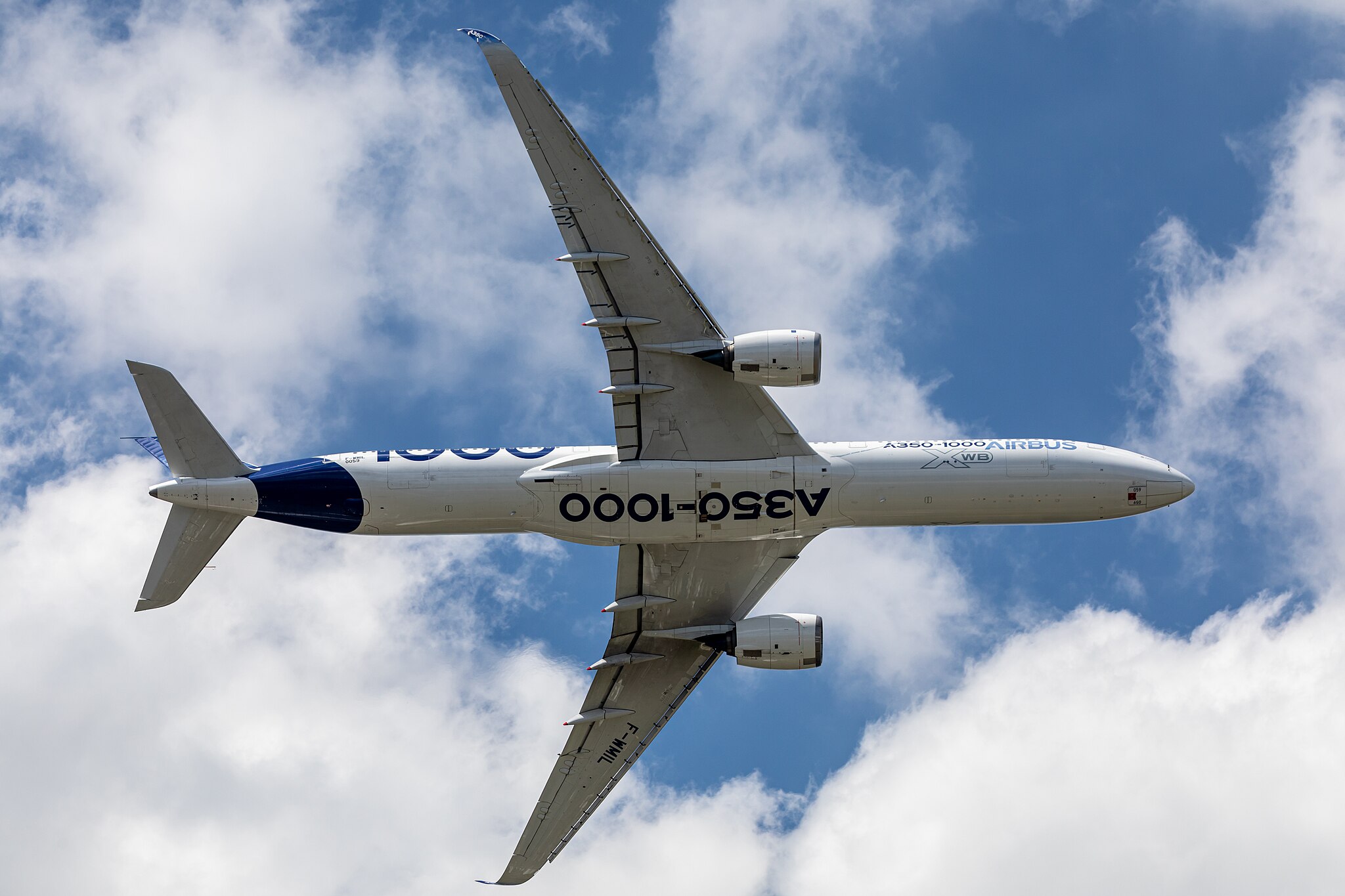
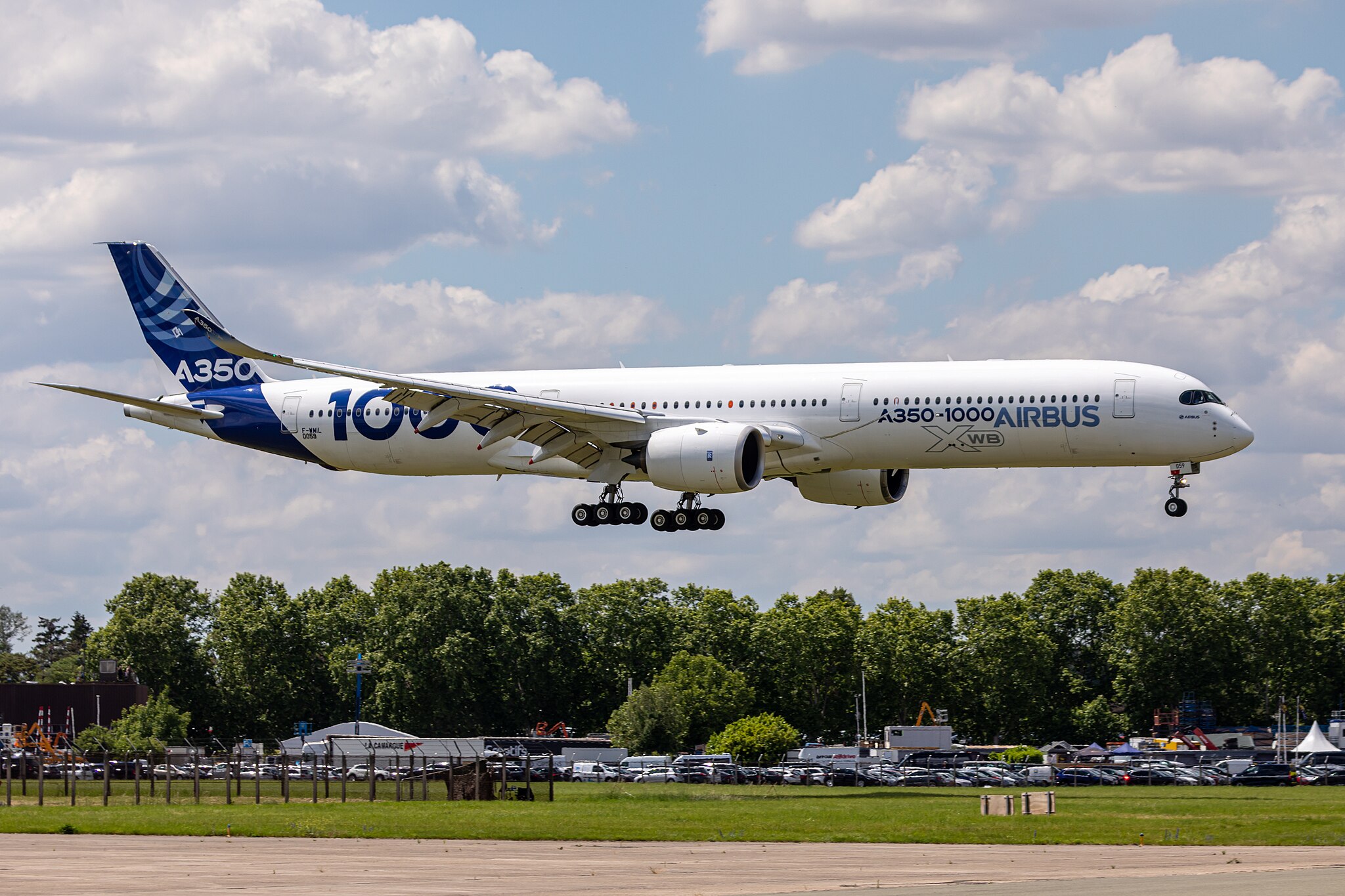
Air Canada is expanding its long-haul ambitions with an order for eight Airbus A350-1000 widebody aircraft, marking a significant step in its fleet modernization strategy and future international network growth. The airline said deliveries of the new aircraft are scheduled to begin in the second half of 2030.
Expanding Long-Haul Capabilities
Air Canada executives described the A350-1000 as a key aircraft for the airline’s next decade of global operations. The jet, powered by Rolls-Royce Trent XWB-97 engines, offers a range of approximately 9,000 nautical miles, enabling nonstop flights on some of the world’s longest commercial routes.
With that range, the aircraft could potentially support direct services from Canada to destinations in Asia-Pacific, the Middle East, and deeper into South America without payload restrictions. The A350-1000 also provides higher seating capacity and cargo capability compared with smaller widebody aircraft, offering operational flexibility across Air Canada’s hubs in Montreal, Toronto and Vancouver.
According to Airbus, the aircraft delivers up to a 25% reduction in fuel burn compared with previous-generation widebody jets, thanks to lighter composite materials and more efficient engines. For Air Canada, this translates into lower operating costs per seat and improved environmental performance, both critical factors in long-haul flying, where fuel represents a significant portion of expenses.
Focus on Efficiency and Passenger Comfort
Beyond economics, Air Canada is positioning the A350-1000 as a major step forward in passenger experience. Airbus markets the aircraft as having one of the quietest twin-aisle cabins in service. The cabin is designed to simulate a lower cabin altitude, pressurized to around 6,000 feet, which may help reduce fatigue on ultra-long-haul flights.
The aircraft will be equipped with Air Canada’s next-generation cabin design, which the airline plans to introduce later this year across new fleet additions. The updated interior will feature enhanced connectivity, larger in-flight entertainment screens and updated seating across all classes.
The A350-1000 order builds on Air Canada’s broader fleet renewal program. The airline is preparing to receive 14 Boeing 787-10 Dreamliners, with deliveries expected to begin later this year. It is also awaiting the arrival of 30 Airbus A321XLR aircraft, designed for longer-range narrowbody routes, and continues to take deliveries of the Canadian-built Airbus A220, with 23 aircraft remaining from its original order of 65.
What do you think about the latest Air Canada developments? Let us know in the comments.