


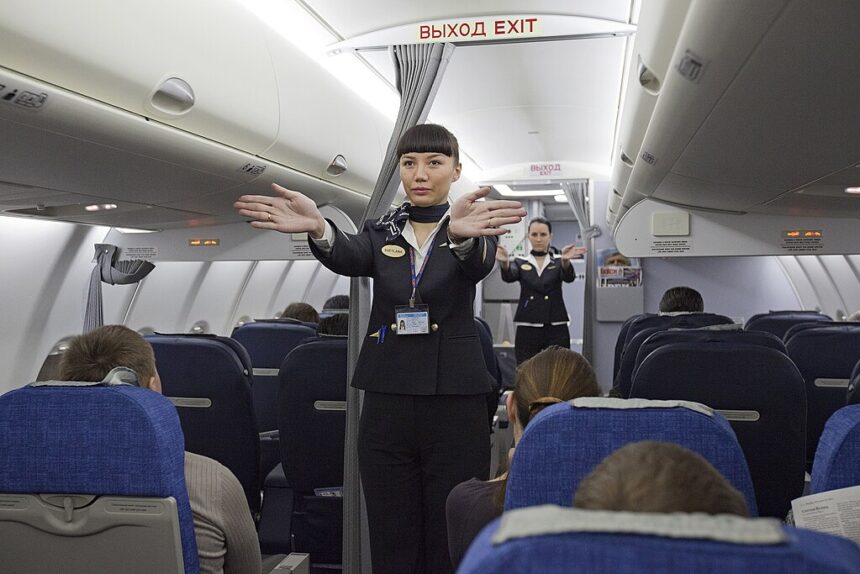
There has been a widespread problem in Russia’s civil aviation sector, particularly concerning technical defects heading towards the Head of the Federal Air Transport Agency, as reported on Feb. 4. Over 480 aircraft had their operations suspended for a varied amount of time due to identified issues that were addressed. Half of the entire fleet, which the Ministry of Transport estimated to be approximately 1,000 units.
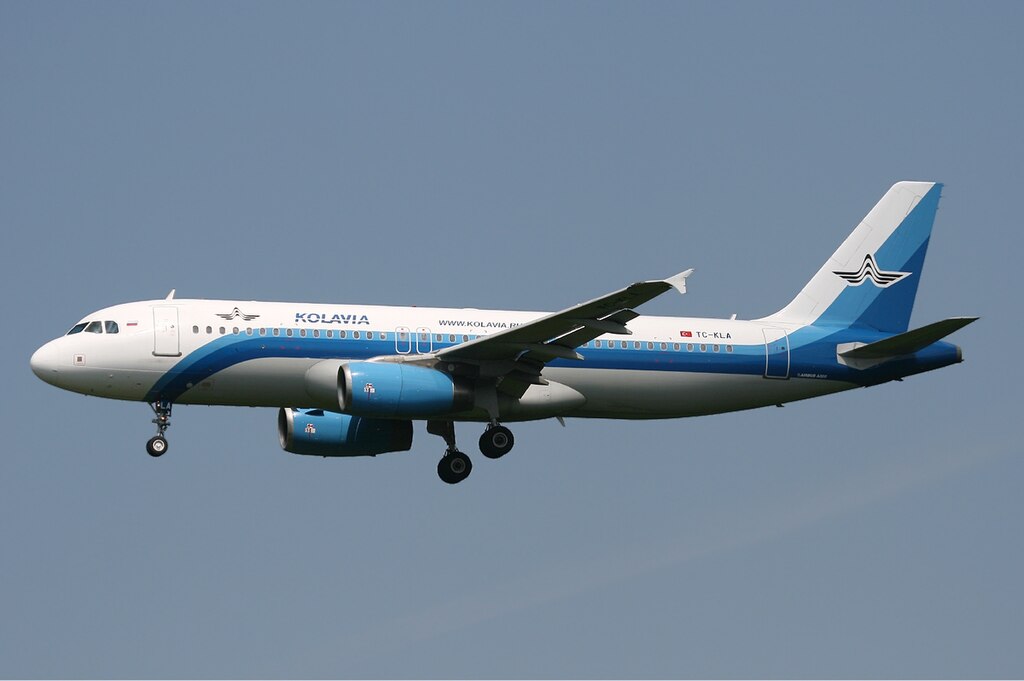
Aircraft riddled in defects despite maintenance
In their investigation, the agency have seen that there were cases of non-compliance with flight fitness requirements and allowance of an aircraft with incomplete maintenance and unresolved defects to operate. The biggest concerns that had been notified was falsely claiming work had been completed when it had not met the standard procedures. These false claims are being justified by the fact that the initial claim does not impact any flight safety.
Vladimir Kovalsky, head of Russia’s state aviation supervision, stated;
“Any violation is unacceptable, but for some dishonest participants, the threshold for acceptability keeps dropping.”
Kovalsky exalts the unrest of these claims as many cases have concluded that most aircraft are not safe for flight. Last year, a Russian plane crashed in far east Amur, creating unrest in Russian’s aviation safety procedures.

Use of renewable oils in the hopes to decarbonise the industry
Due to the current state of Russia’s aircraft sector, Russia has tested aviation fuel made from recycled frying oil. This fuel was tested on a jet engine, through the many stages including: take-off, cruising and landing. This aims to reduce aviation carbon footprint, and provide a better future for renewable fuel for aircraft. The testing had proven that the recycled frying oil could lower the environmental impact compared to traditional fuel. But with this new step towards decarbonising aviation, there is still call to create concern for Russia’s Aviation empire.
A Boeing 757 operated by Azur Air had to make an emergency landing in Hanoi after experiencing an engine failure mid-flight. This was due to defects that had not been discovered before and led to extra measures taking place to rectify a bigger complication.
With Russia’s aviation under many sanctions as it is faced with escalating costs and serious safety concern issues, it is harder to gain spare parts meaning that there has been a growing number of malfunctions and emergency landings. These factors ultimately create a strain on not only passengers wallets but also their sense of safety.
Interested in Russian aviation and the use of renewable fuels? Comment and share your thoughts down in the comments.








For the reason that the admin of this site is working, no uncertainty very quickly it will be renowned, due to its quality contents.