Decarbonising aviation could require up to $5 trillion in investment by 2050, highlighting rising aviation emissions and the cost of the net zero aviation transition. As sustainable aviation fuel scales up, the industry debates who pays for aviation decarbonisation. These costs could influence future ticket prices and policy decisions.
Passengers: The Primary Payers
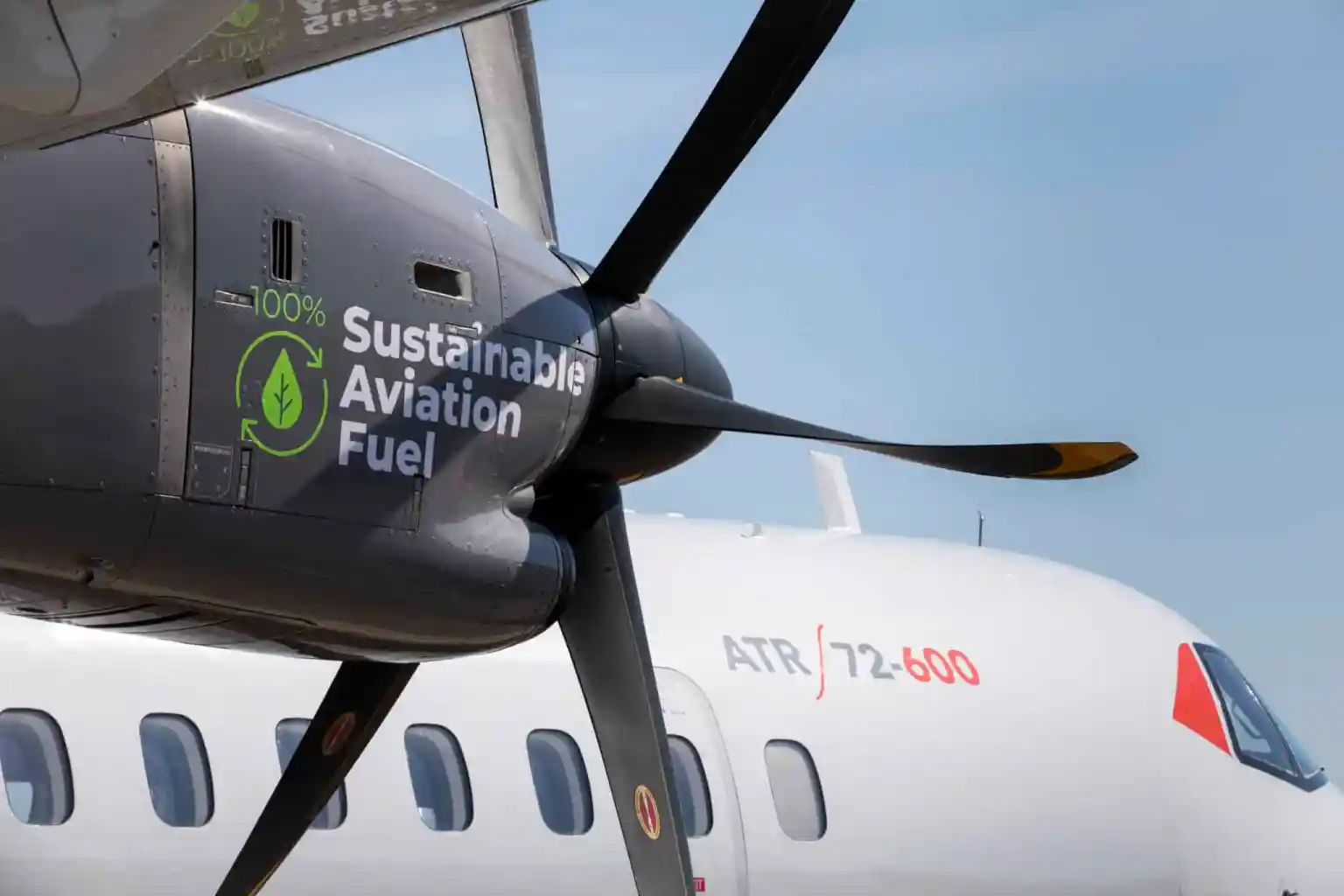
Most of the cost of decarbonising aviation is likely to be included in ticket prices overtime, as airlines invest in new fuels and technology to cut aviation emissions. Industry groups such as Sustainable Aviation and the International Air Transport Association (IATA) said these costs will “inevitably” be passed on to passengers.
Sustainable aviation fuel (SAF) is currently estimated to be around two to three times more expensive than conventional jet fuel. Under the U. government’s SAF mandate, fuel suppliers must blend 2% SAF by 2025, rising to 10% by 2030 and 22% by 2040. Government assessments and independent analysis suggest these policies will increase ticket prices, with some estimates indicating fares could rise by up to around 15% by 2040. Overall, the cost of net zero aviation transition is expected to increase operating costs across the sector.
Taxes and levies will also contribute to ticket prices. The UK’s Air Passenger Duty adds around £7 for short domestic flights and can exceed £90 per ticket depending on distance and cabin class. Future carbon pricing and offset schemes are expected to support investment in lower-carbon aviation.
Higher fares could affect how often people choose to fly, but they are also designed to support long-term investment in cleaner aviation technologies. Frequent flyers and premium passengers are likely to pay more, while policymakers are looking at ways to keep flying affordable for regional and lower-income travellers.
Taxpayers and Governments: Sharing the Risk
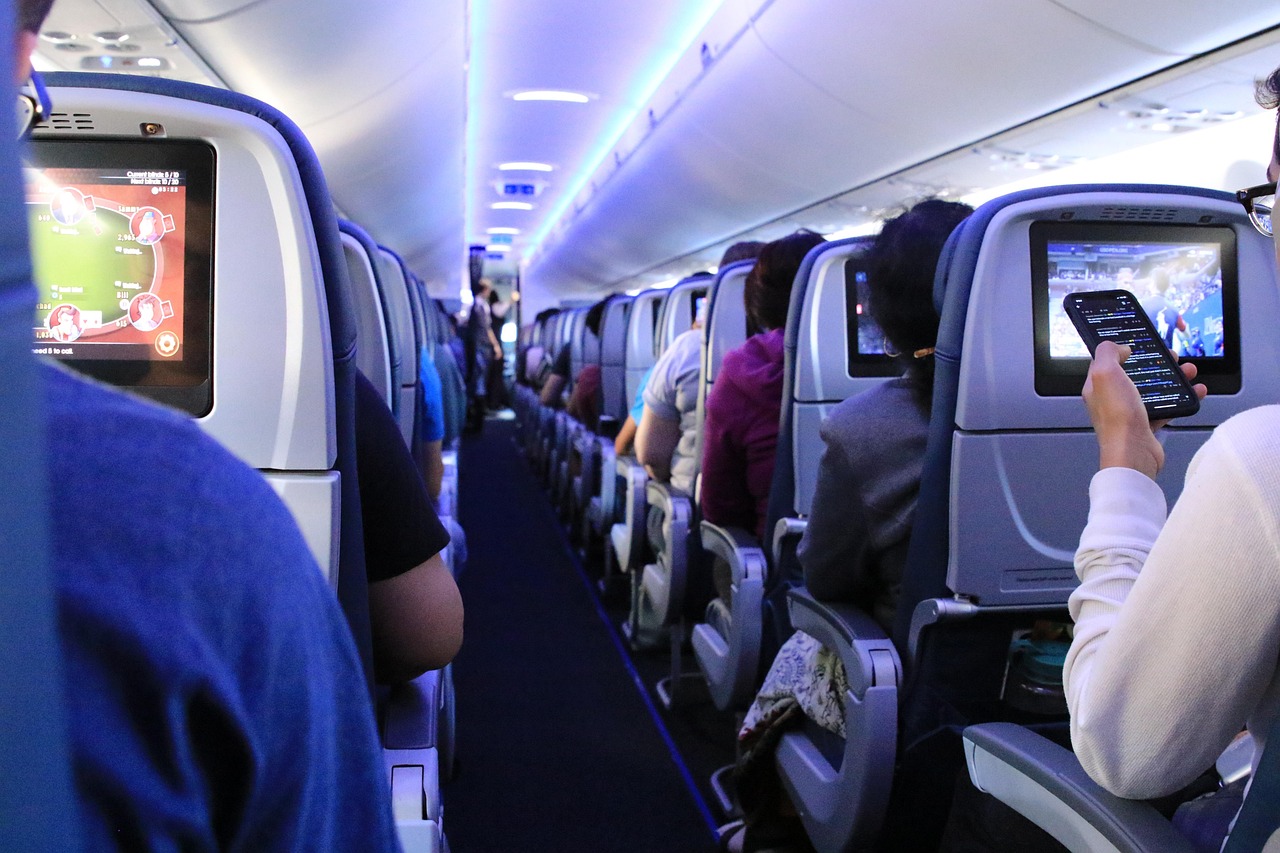
Governments are using public funding and policy tools to support decarbonising aviation and reduce aviation emissions, mainly to lower the risk for private investors.
In the UK, the Jet Zero Strategy includes around £198 million for sustainable aviation fuel (SAF) projects through the Advanced Fuels Fund and more than £1 billion for hydrogen and electric aircraft research via the Aerospace Technology Institute, alongside industry funding. Read more on SAF investment news in aviation here.
Similar support schemes exist in other regions. In the United States, the Inflation Reduction Act offers tax credits for SAF production, while EU policies also provide incentives to cut aviation emissions and encourage new fuel projects.
To attract investors, the UK is introducing a revenue certainty mechanism, similar to Contracts for Difference, to guarantee a price for SAF producers. The scheme is funded by the aviation industry through fuel supplier levies, meaning the cost is expected to be reflected in ticket prices.
Airlines also face rising carbon costs under UK and EU emissions trading schemes and the CORSIA carbon offset programme. In the past, airlines received free carbon allowances, which critics described as an indirect subsidy. These free allowances are being phased out by 2026, adding to the cost of net zero aviation transition.
Private capital: funding the transition
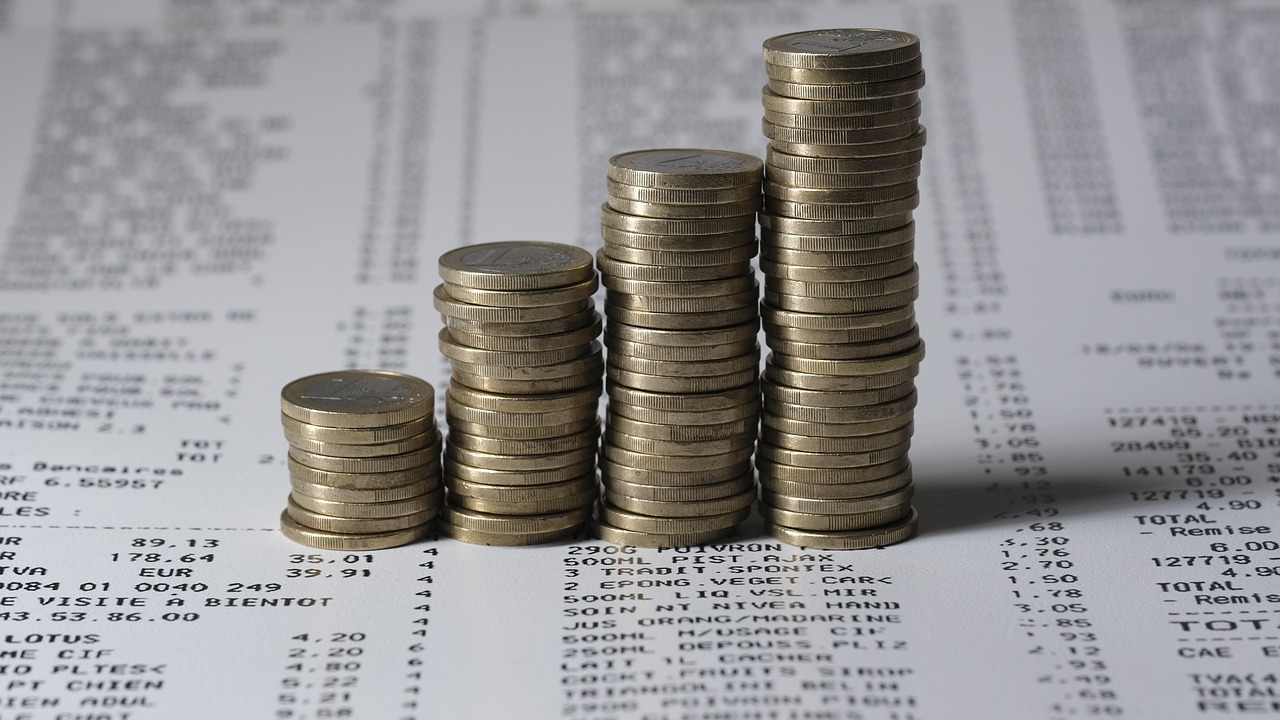
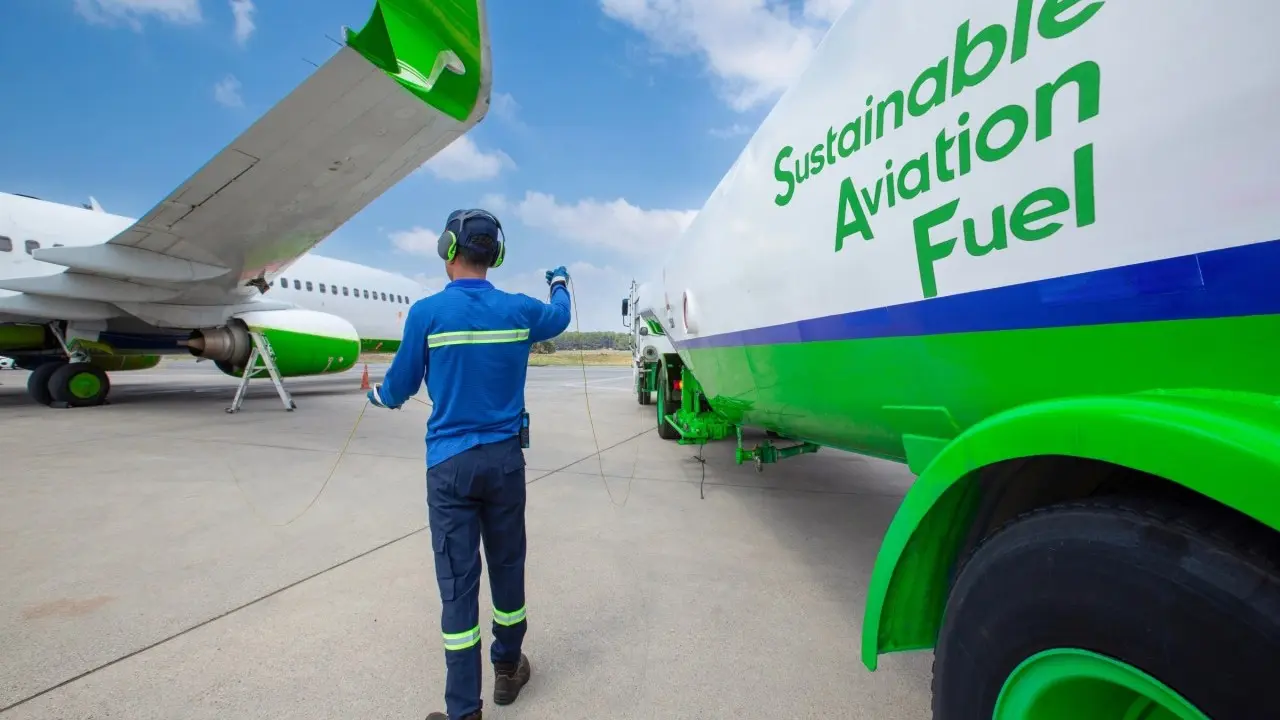
Most of the decarbonising aviation transition is expected to be funded by private investors as sustainable aviation fuel (SAF) and new aircraft technologies scale up to cut aviation emissions. Of the estimated $5 trillion needed by 2050, most of the money will go into new infrastructure such as SAF plants and hydrogen production facilities. Private investment is already increasing, with the global SAF market expected to grow from about $3.7 billion in 2025 to more than $26 billion by 2030.
Airlines say they cannot fund the transition alone because profit margins are low and demand changes with the economy. The International Air Transport Association estimates global airline profit margins will stay at around 3.9% through 2026, limiting how much airlines can invest directly.
To attract private capital, the industry is asking governments to introduce frameworks that guarantee returns on some projects, such as price support mechanisms for SAF producers. These policies help reduce risk for investors but could shift some costs to the public sector, raising questions about who pays for aviation decarbonisation and the wider cost of net zero aviation transition.
The political landscape and Outlook
Aviation is politically sensitive because it supports tourism, trade and economic growth, while also facing pressure to cut emissions.
Around 1% of the world’s population is responsible for roughly half of commercial aviation’s CO₂ emissions. This raises questions about whether general taxpayers should subsidise a sector used mainly by a small global elite.
Policymakers are also under pressure to ensure a just transition. Aviation supports millions of jobs, and remote communities rely on air links. Making flying too expensive could isolate regions and harm local economies.
Do you think passengers, taxpayers or private investors should bear most of the cost of aviation’s net zero transition? Share your views in the comments.