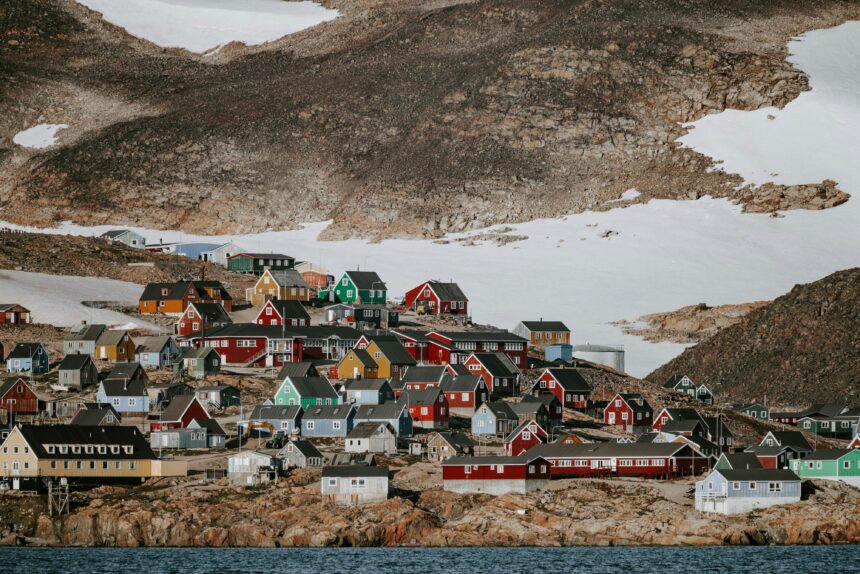
Amid rising geopolitical tensions following remarks by U.S. President Donald Trump over plans to purchase Greenland, a Danish territory in the Arctic, flight activity over polar routes is now centre stage. In Denmark, attention shifts toward joint planning between Copenhagen and Nuuk.
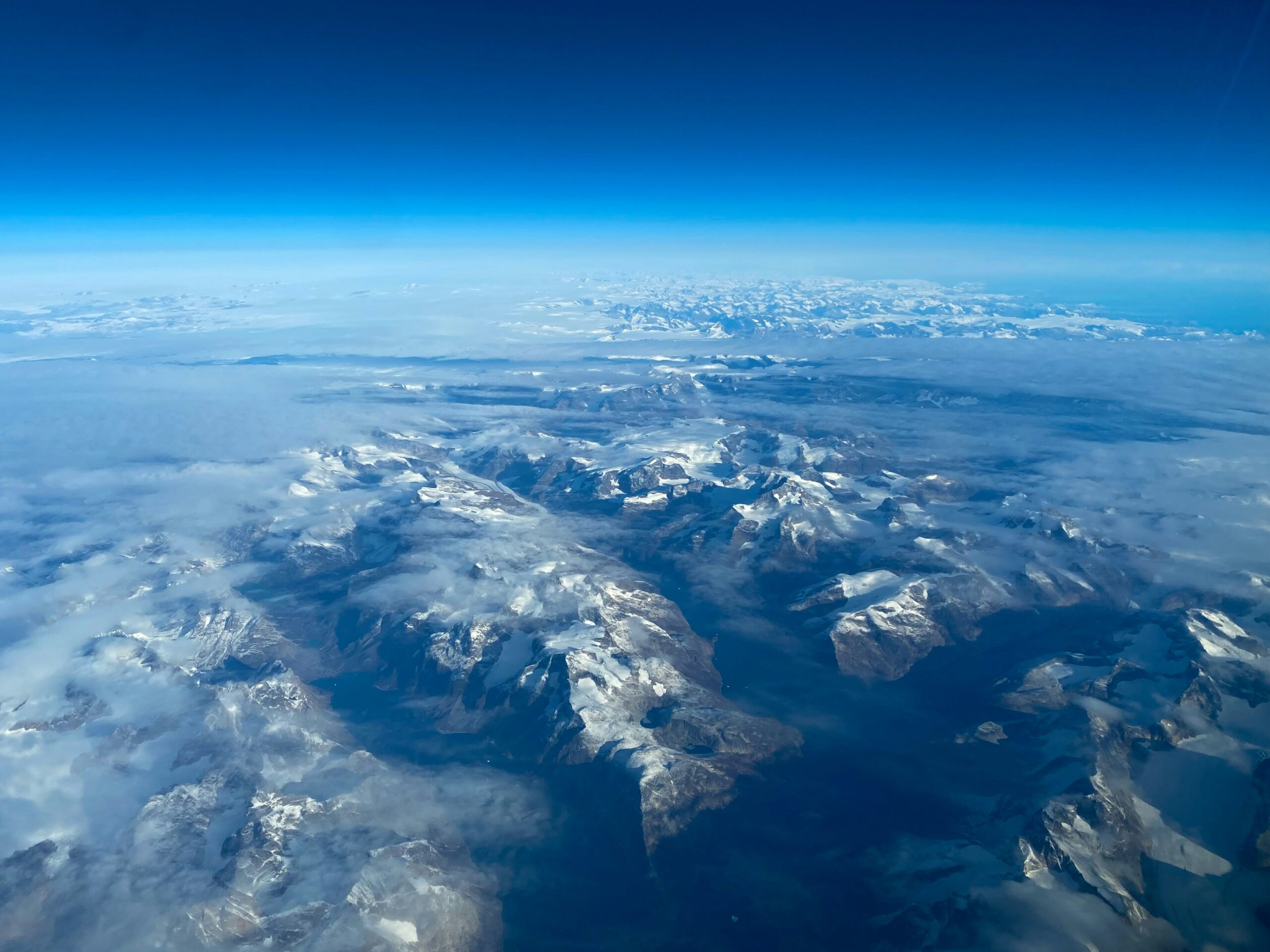
Arctic aviation is under growing pressure
Development in polar aviation is key to life in the Arctic. Indigenous communities that have lived in the area for thousands of years have scattered settlements that can be reached via boat or air, but not by land. With climate change bringing ever more treacherous conditions to these regions, access to domestic aviation can keep families connected and communities thriving. In such extreme and turbulent weather conditions, logistics need to adapt to ensure progress is steady in connecting transport hubs. New approaches are needed in order to meet scheduling demands across the frozen nation.
Positioned beneath major transatlantic flight routes, Greenland has held quiet importance for air transit. With upgraded runways emerging, attention shifts toward its growing role in international passenger movement with airlines such as China Eastern taking advantage of polar routing, such as London to Shanghai. The Arctic passage is becoming a more popular and faster route connecting Asia to other parts of the globe, such as Europe and America.
Flights passing through areas close to Greenland encounter difficulties such as severe climate patterns, sparse alternate landing locations, and great spans separating airfields. With numbers climbing slowly, especially at certain times of year, oversight bodies pay closer attention to aligning sky routing updates alongside facility expansion.
Ongoing conversations between Denmark and Greenland about managing activities in the Arctic – a region drawing increasing global focus. Though such dialogue does not target interference with commercial air travel, those monitoring the sector emphasise consistency in oversight and open channels of information. Air carriers continue relying on predictable frameworks when planning routes across high-latitude zones. Uncertainty, even indirectly, may influence operational decisions made far beyond local borders. Clarity in policy helps sustain routine movement through some of the planet’s most remote airspace.
For their governments, commercial shipping, certainty holds greater weight when navigating the Arctic, as few alternatives exist if paths must change, while room for error shrinks compared to routes nearer the equator.

Airport Expansion Changes How Greenland Connects
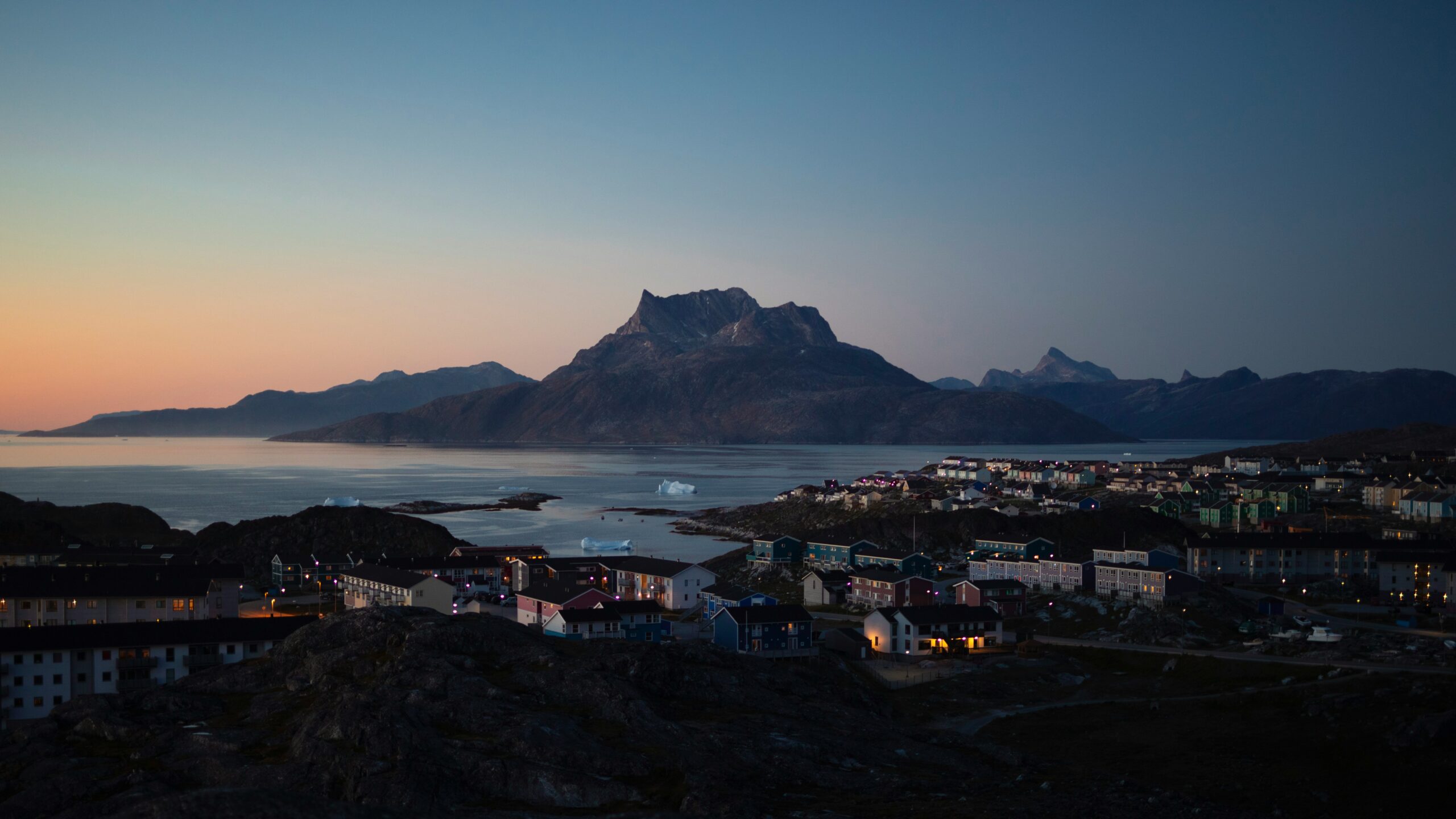
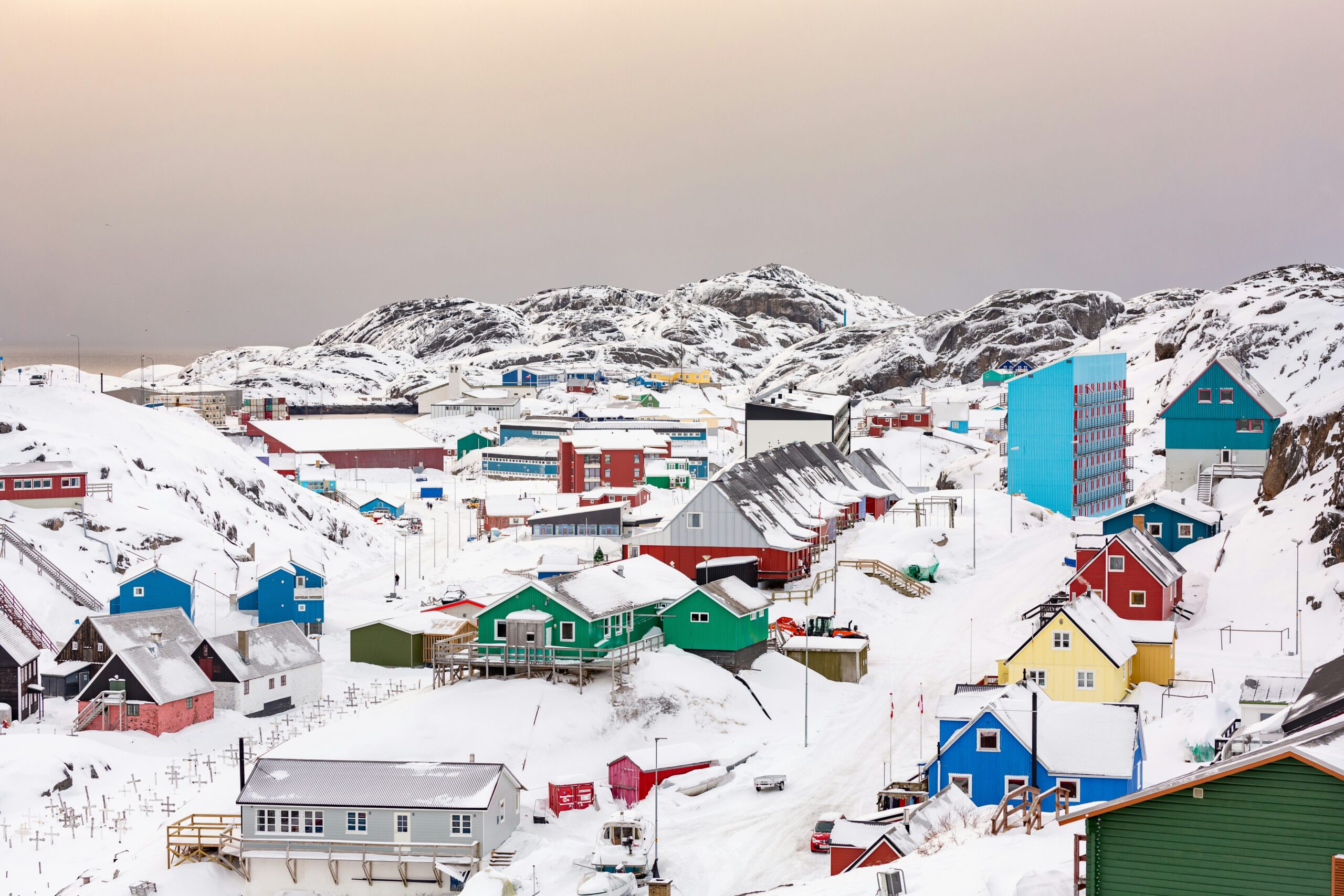
Nuuk, the capital of Greenland saw its airports extend its runways in order to accommodate larger aircraft. This allows for new routes to be explored. Moreover, this shift forms part of a broader effort across Greenland to improve air access, where upgraded facilities aim to ease long-standing travel barriers while encouraging low-impact visitor activity over time.
Travel routes are being adjusted so access becomes easier without depending heavily on outdated transit points, giving visitors simpler paths to reach Greenland. These updates align with Greenland’s aim to shape how tourism develops locally instead of relying on detours through nearby nations.
Down south, the opening of Qaqortoq Airport is set for April 2026, marking the region’s initial gateway for overseas flights, according to confirmation by Kalaallit Airports. By contrast, Ilulissat will welcome aircraft under expanded operations later that year, improving reach into a widely travelled part of Greenland.
Balancing growth with operational stability
Though Greenland’s new airports create possibilities for carriers and travelers alike, coordination in air traffic management grows more essential. Backing parts of the initiative, the Nordic Investment Bank points out that updated facilities contribute to smoother operations, fewer holdups, less waiting time, and better service quality. Airspace control becomes increasingly important where ground improvements progress at this pace. Infrastructure upgrades do not operate in isolation when skies remain shared across regions.
Meanwhile, officials overseeing flight safety aim to keep routine airline activities apart from broader geopolitical debates. As of now, there is no indication of altered rules for passenger planes using routes over Greenland, yet regular services proceed without disruption.
Should tensions rise in the region, airlines may adjust routes regardless of official bans. Insurance terms might shift when risk perceptions change. Procedures for emergencies often reflect such shifts quietly. Officials who communicate clearly help reduce uncertainty across the industry. Confidence among operators and passengers tends to follow from transparency.
What this means for travellers and airlines
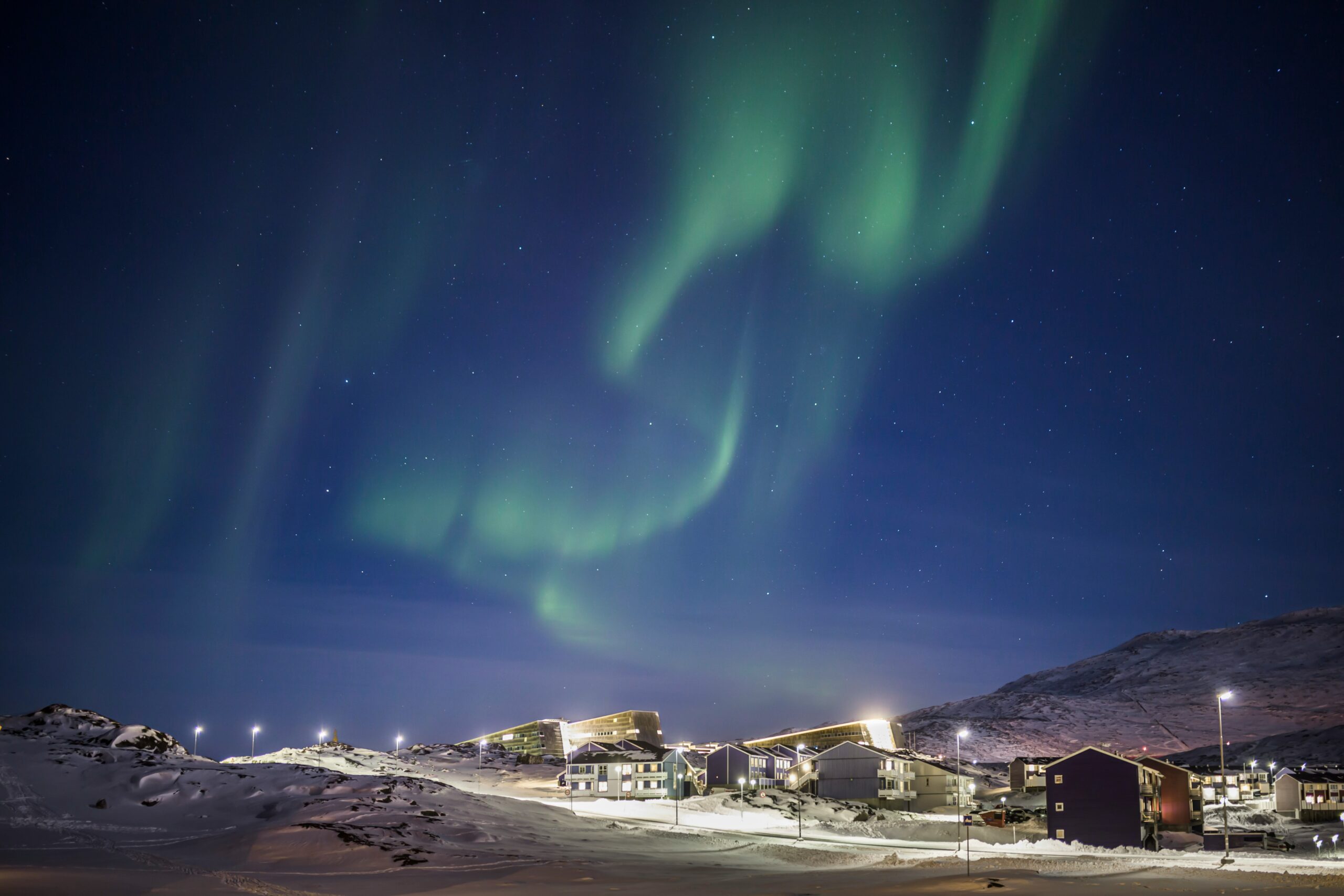
Should coordination improve alongside airport upgrades, the reliability of flights may rise. Direct routes might become more common, while delays due to weather could decline. With better access to Greenland, visitor numbers may climb slowly. Those drawn to isolated regions and polar landscapes may find it increasingly appealing.
With shifting weather due to climate change, airlines may gain from updated operational guidelines that adjust route feasibility. Should cooperation improve over Arctic flight zones, smoother air traffic flow might allow shorter paths, cutting fuel use on extended flights.
For Greenlanders, progress in air transport ties closely to community needs, steady economies, a balanced relationship with nature. Decisions rest on long-term well-being rather than speed alone. Growth follows conditions set by land and life there. Priorities center around stability shaped by Arctic realities. How infrastructure evolves depends heavily on ecological limits observed locally. Lasting value drives choices more than expansion goals do. This area gains prominence without fanfare.
Now seen as more central to air travel across polar regions, Greenland was once viewed as remote. With growing facilities and better links, its evolving role hinges on precise planning. Safety, consistency, and attention to travelers must guide every step forward.
With increasing numbers of global passengers arriving in Greenland, improved cooperation across the Arctic might shape how air travel develops responsibly in northern regions.
Want to stay up to date with changing travel routes around the world? Subscribe to Travel Radar today!