On Jan. 14, 2026, state-owned start-up carrier, Air Borneo, adopted its own departure control system (DCS) as well as the ‘MY’ International Air Transport Association (IATA) code. In the preparation for this adoption, extensive coordination with airport operators was conducted as well as with ground handling teams and other aviation stakeholders to ensure continuity of service.
Operational transition and system activation
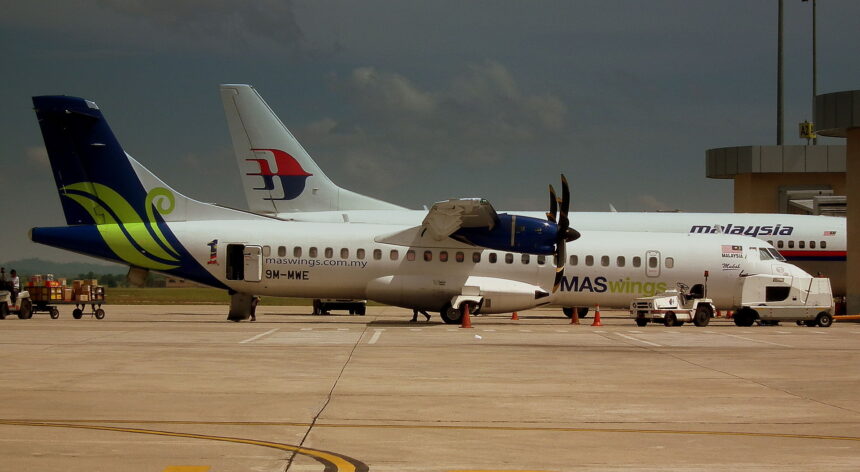
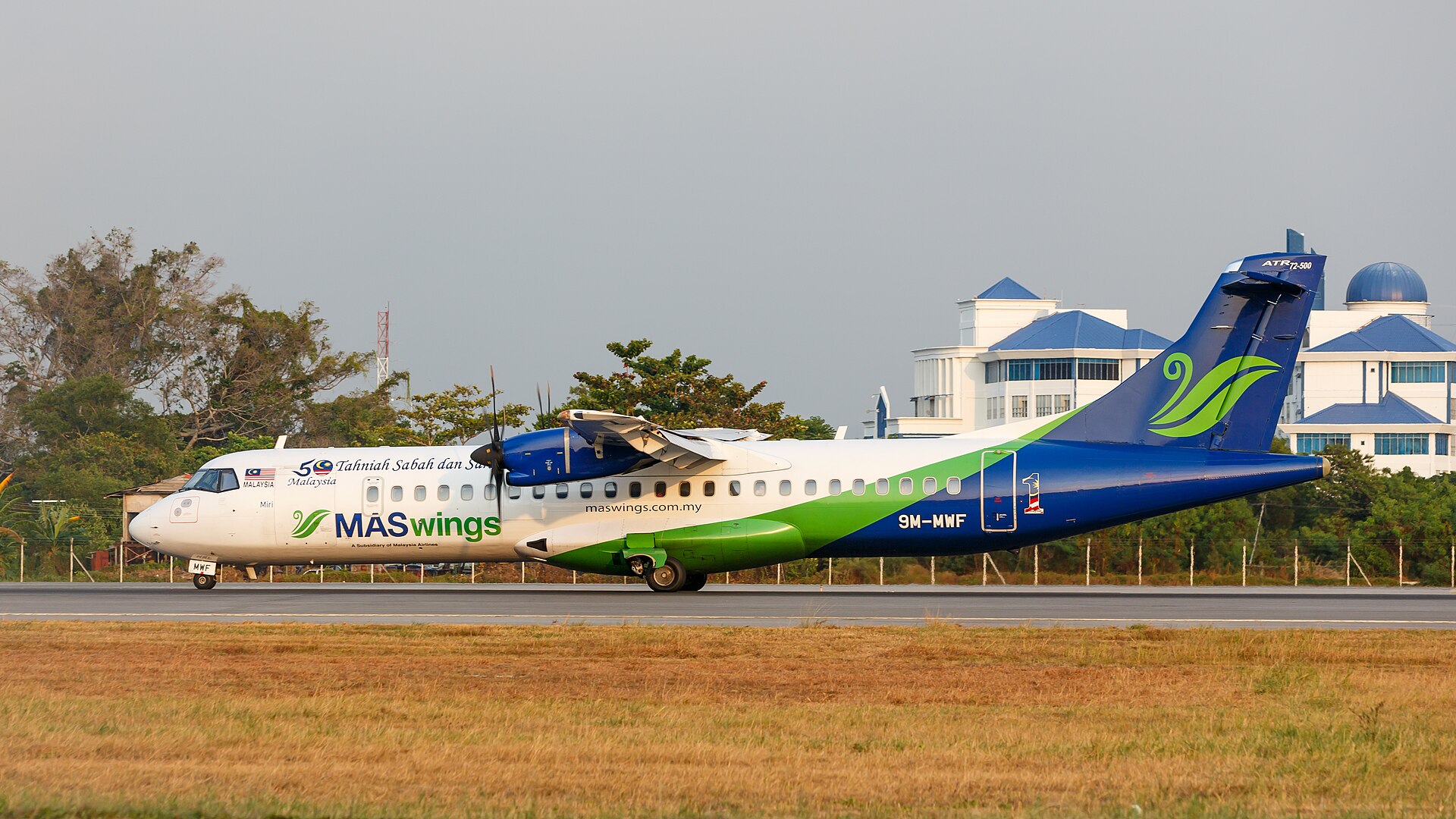
The code was previously assigned to MASwings, an airline that handled rural air services in East Malaysia under the Malaysia Aviation group umbrella.
Air Borneo has relinquished Malaysia Airlines’ ‘MH’ code which was also earlier used by MASwings until it was bought by the Sarawak state government, Malaysia. The regional carrier was previously a fully owned subsidiary of Malaysia Aviation Group.
Air Borneo was established as part of Sarawak’s effort to try to reclaim and manage its own air connectivity, particularly for rural and underserved communities across East Malaysia, where geography, terrain and distance make aviation a vital public service rather than luxury.
Air Borneo will activate its DCS simultaneously at 21 aerodromes it operates across Sabah, Sarawak and Labuan.
The airline said in a statement:
There is no staggered or partial activation, and operations will continue as usual once the cutover is completed.
Air Borneo also asserted that passengers itineraries were unaffected, with all of its existing reservations completed and schedules maintained throughout.
Fleet transition and strategic significance
Air Borneo formally took over MASwings’ operations on Jan. 1, 2026 which had a fleet of eight ATR72-500s and six DHC 6-400s.
MASwings former aircraft are being repainted into the Air Borneo livery, with the expected completion timeline in the first half of 2026.
This transition is important for Air Borneo as operating its own DCS and flight codes is the foundational step for the airline towards full operational independence. This allows the airline greater flexibility in scheduling, pricing, service design and long-term planning.
The transition will also serve as a base for potential network expansion and more collaboration with East Malaysia’s development goals.
Are you planning to travel through Air Borneo soon? What do you think the experience will be like? Let us know your thoughts in the comments.