Travel trends 2026 are shifting towards less-visited destinations, as travellers increasingly prioritise sustainable travel and rethink where to travel in 2026 to avoid overtourism. Once niche traveller behaviour is now influencing flight capacity and tourism investment, signalling that consumer travel choices are becoming more intentional. Hotspots like Venice, Paris, and Thailand remain busy, but new demands in countries where tourism still redistributes wealth, supports community initiatives, and protects fragile environments are increasingly sought after.
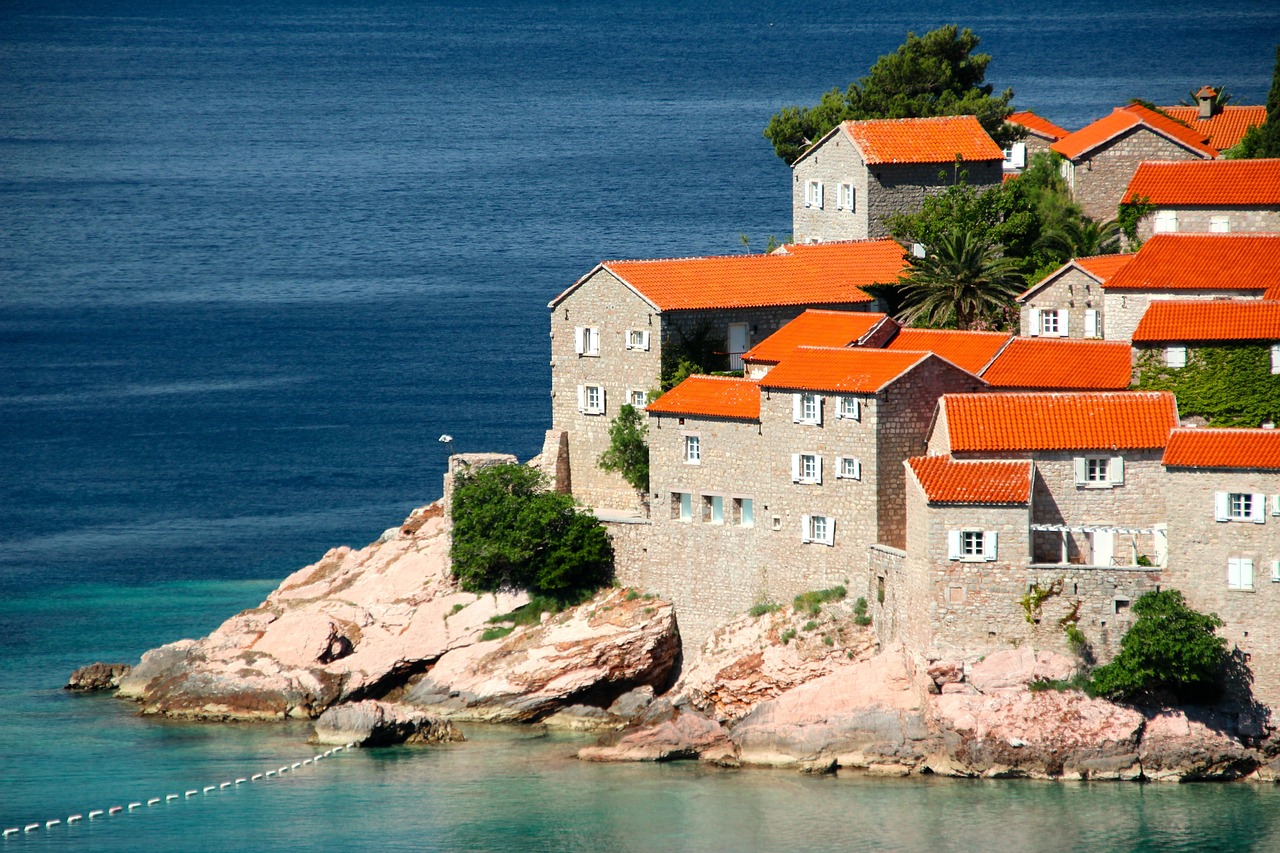
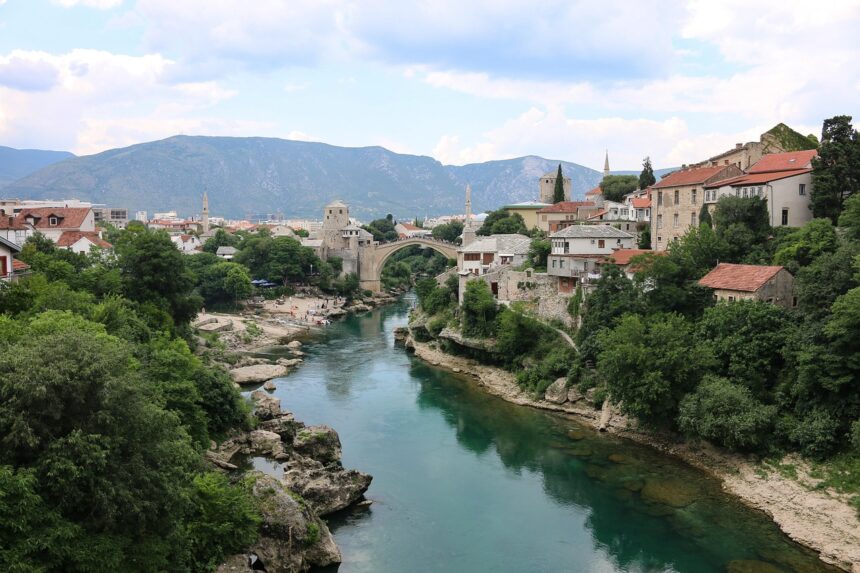
The Balkan Boom: Albania, Montenegro and Bosnia & Herzegovina
Across the Western Balkans, growth in the tourism sector is accelerating faster than in much of Western Europe. The growth has, in part, been driven by rising costs and crowds in other locations.
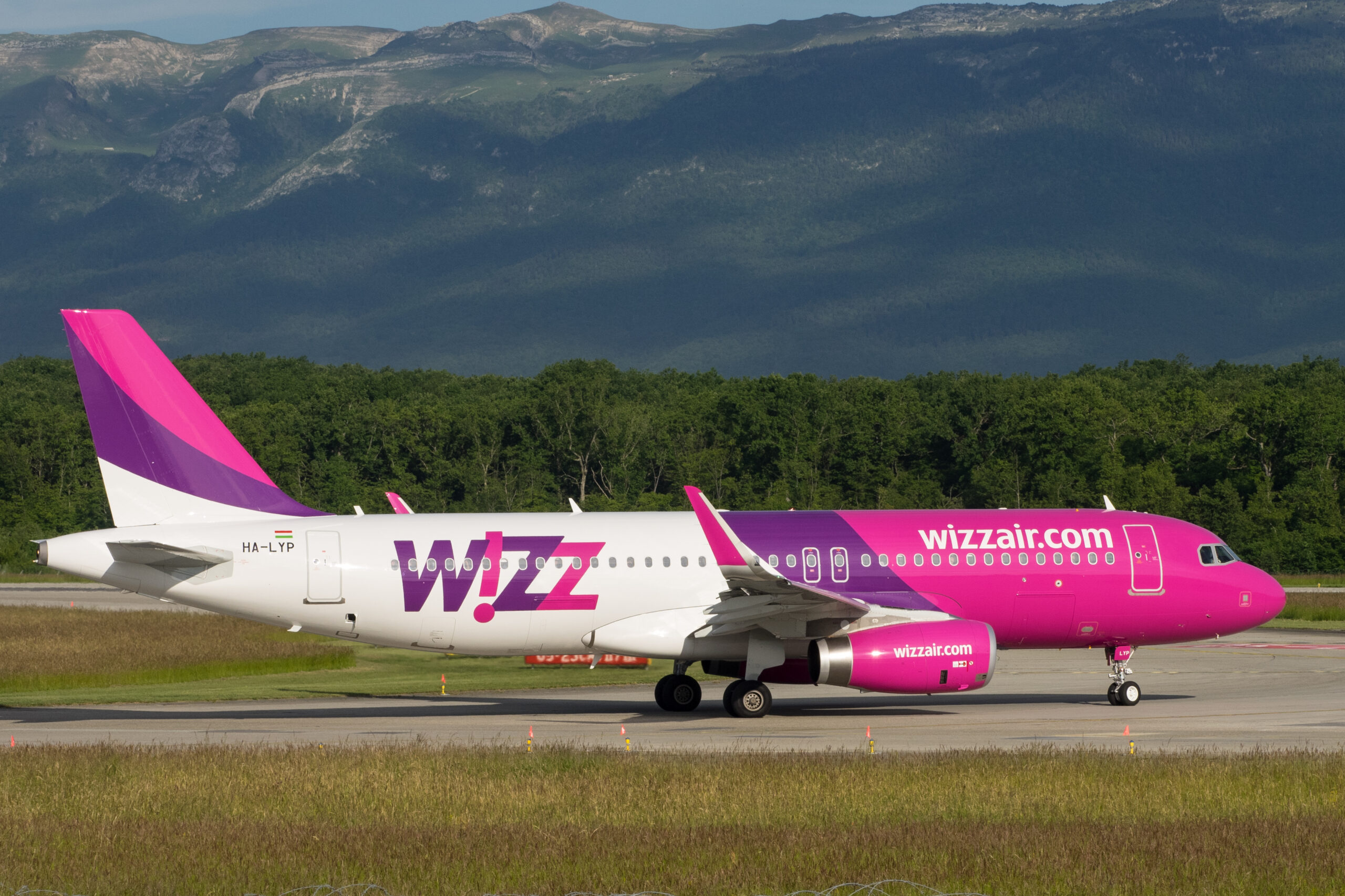
In Albania, flight volumes in July 2025 were 152% higher than pre-pandemic levels, and the country welcomed over 11 million visitors in 2024, making it one of Europe’s fastest-growing tourism markets. Low-cost carriers have the highest passenger capacity at Tirana International Airport, and legacy airlines connect via London, Milan, Vienna and Istanbul. Low-cost airlines like Wizz Air and Ryanair have been instrumental in making the destination more accessible, underlining Albania’s rapid integration into Europe’s budget travel network.
Montenegro has also steadily grown in popularity, driven by demand for ‘affordable luxury,’ boutique coastal travel and longer stays linked to remote work. Summer 2025 bookings were up 24% year-on-year, with traffic split between Podgorica (TGD) year-round and Tivat (TIV) seasonally, with Tivat absorbing most summer leisure traffic. Air Montenegro and Air Serbia account for over half of the scheduled flights. Wizz Air and Ryanair serve Podgorica, with Wizz Air set to open a base in 2026, while easyJet and Jet2 operate mainly seasonal routes to Tivat.
Bosnia and Herzegovina is growing more quietly but steadily. Foreign tourist arrivals increased 4.7% in the first half of 2025, while flight volumes are now 64% above pre-pandemic levels. Connectivity through Sarajevo and Tuzla is largely operated by low-cost carriers and has allowed tourism to contribute to the economic recovery and image rebuilding of the country.
Most international travellers arrive via Sarajevo International Airport (SJJ), which is served by Ryanair, Wizz Air, and Pegasus Airlines, alongside network carriers including Lufthansa, Austrian Airlines, SWISS, Air Serbia, and Turkish Airlines.
Oulu, Finland: Culture-Led Growth Beyond the Capitals
Northern Europe is experiencing a different growth. As heatwaves intensify across Southern Europe, travellers are increasingly seeking cooler alternatives, a trend often referred to as ‘coolcationing’ during warmer months.
Oulu represents the middle ground between climate comfort and cultural investment. As European Capital of Culture in 2026, the city is gaining visibility beyond Finland’s main city spots, supported by strong domestic connectivity via Helsinki and growing international access through European hubs. Significantly, investment in tourism is moving away from the capital toward secondary cities, reinforcing regional development.
Flights arrive at Oulu Airport (OUL), primarily via domestic connections from Helsinki operated by Finnair, which controls the majority of capacity. International access is largely hub-based, with connections through Riga (Air Baltic) and Frankfurt (Lufthansa), alongside indirect routes via British Airways, KLM, Air France, and Scandinavian Airlines.

Rwanda: High-Value Tourism as National Strategy
The tourism industry in Rwanda has also risen substantially. In 2024, Rwanda’s tourism sector contributed around 9.8% of GDP, with international visitor spending reaching Fr1 trillion (over $740 million). Growth is projected to continue, with a 13% year-on-year increase forecast for 2025, and tourism expected to support more than 545,000 jobs by 2035. International arrivals funnel through Kigali International Airport (KGL), with strong hub connectivity via Turkish Airlines, Qatar Airways, Emirates, KLM, and Brussels Airlines.
This growth is built on attracting fewer visitors who spend more, rather than chasing volume. Experiences such as gorilla trekking, where permits cost $1,500, generate conservation funding without crowd pressure. Investment has followed, including a $1 billion international airport at Bugesera, built to handle up to 14 million passengers a year. At the same time, high-profile ‘Visit Rwanda’ partnerships with European football clubs have raised the country’s visibility abroad.

Kyrgyzstan For Adventure Tourism
Kyrgyzstan is emerging as a leading destination for trekking and adventure travel, supported by improved connectivity through hubs such as Istanbul and Dubai.
Most visitors arrive via connecting flights, which naturally limits volume while attracting longer-stay travellers. Community-run home stays in the Tien Shan mountains generate rural income, reduce migration to cities and allow semi-nomadic traditions to continue without being turned into performance. This is sustainable travel in its most literal sense: development without cultural erasure.
Travellers are not abandoning established hotspots, but in 2026, travel trends increasingly reflect where growth can be managed more sustainably.
What do you think about sustainable tourism? Share your thoughts with us in the comments.