In January 2026, geopolitical risk is having an impact on global aviation, with flight suspensions and airspace closures being necessary to mitigate the geopolitical impact on airlines. As airlines avoid conflict zones and prioritise safe operations, network decisions are increasingly driven by risk management rather than short-term commercial demand.
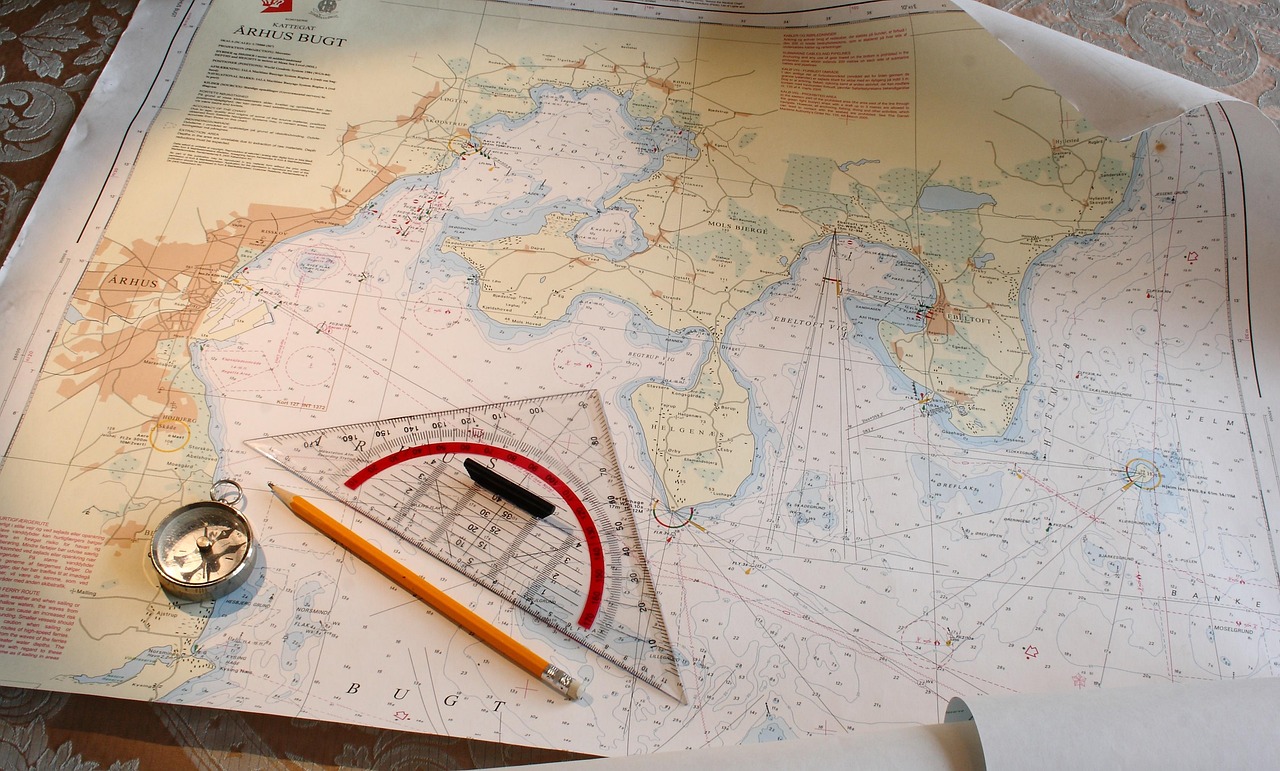
Flydubai Immediate Flight Suspensions in Iran
Airlines are acting quickly, suspending services where operating conditions deteriorate at short notice in late December into January. On 9 January, Flydubai cancelled at least 17 flights between Dubai and Iranian cities including Tehran, Shiraz and Mashhad. On the same day, Turkish Airlines cancelled all scheduled services to Tehran, citing regional developments in Iran.
The flight suspensions followed a sharp escalation in domestic unrest, triggered by nationwide anti-government protests that began in late December over economic hardship, soaring inflation and the collapsing value of the rial. A nationwide internet blackout compounded operational concerns, limiting airlines’ ability to coordinate ground handling, passenger communications and emergency response.
Early on Friday, 9 January, Iran’s Civil Aviation Organisation issued urgent Notices to Air Missions (NOTAMs), formally restricting parts of Iranian airspace and limiting flight operations as the security situation deteriorated. The alerts effectively halted operations at Imam Khomeini International Airport, Tehran’s main international gateway. Authorities cited a need to prioritise safety amid heightened security concerns.
The disruption had already begun the night before on December, 8. Flight tracking data showed several international services forced to turn back after entering the Iranian airspace, including a Turkish Airlines flight bound for Shiraz and a Pegasus Airlines service en route to Mashhad. Reports indicated that Iranian authorities activated air defence systems across multiple regions, including Tehran, as protests reached what officials described as a critical stage.
For airlines, the sudden closure of airspace with only hours of notice underscored the scale of operational exposure, forcing immediate rerouting or cancellations – at least 42 in the Gulf states and Iran – and reinforcing the elevated geopolitical risk now shaping flight planning across the region.
Structural Airspace Closures Reshape Airline Networks
Airspace closures are no longer short-term disruptions but permanent constraints, reshaping networks and fleet deployment and highlighting the geopolitical impact on airline operations. As airline geopolitical risk rises, carriers are redesigning routes, reallocating aircraft and withdrawing from markets as airlines avoid conflict zones to preserve operational stability.
Most Western carriers continue to bypass Russian airspace, a policy introduced in 2022 that is now embedded in long-term aviation planning. For airlines that once relied on Russia as a main east-west corridor, there has been a structural impact.
For Finnair, the loss of Russian overflight rights dismantled its Asia-focused hub model. Flight times to Japan increased by around four hours, prompting the airline to cut its China network by roughly 90% and redeploy wide-body aircraft to North America, where it launched its largest-ever U.S. schedule in late 2025 and early 2026.
At British Airways, longer routings raised operating costs on Asia services, with London-Tokyo flights extending by around two hours. The airline suspended its London-Beijing route in 2024 and reduced Hong Kong capacity for the 2025-2026 season. This illustrates how airspace closures are modifying European access to Asia.
U.S. carriers face similar constraints. United Airlines has maintained its U.S.-India services without Russian airspace, but some flights now approach 15 hours and require technical fuel stops in Europe or the Gulf.
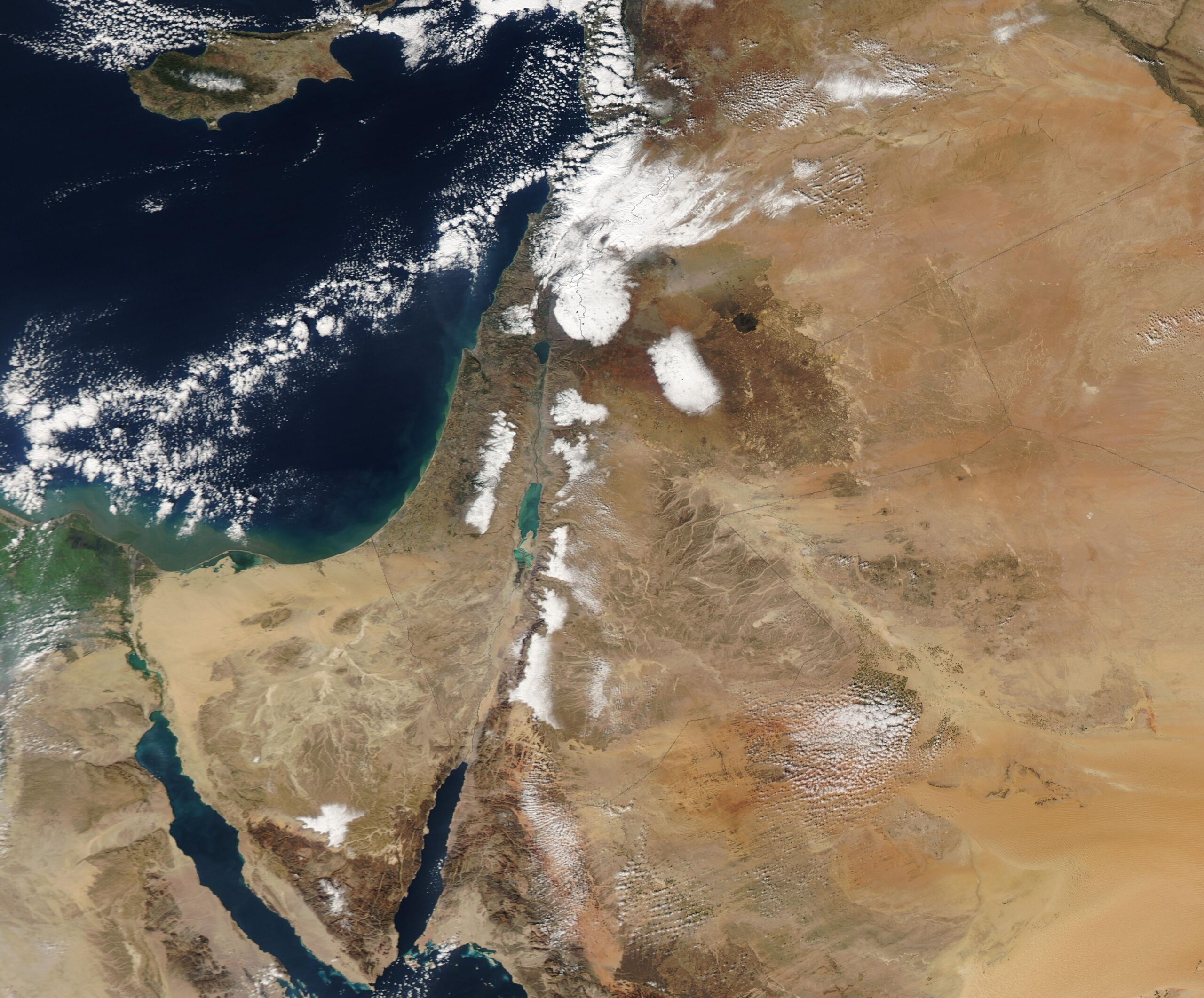
Across the Middle East, airlines are increasingly avoiding Iranian, Iraqi, Syrian and Israeli airspace as standard practice. Routes between Europe, North America and Asia are routinely diverted south through Egypt and Saudi Arabia as airlines avoid conflict zones for safer emergency landing and diverting route options.
For Qantas, detours around Iran and Iraq increased fuel needs beyond what was viable for direct Perth–London and Perth–Paris flights. As a result, the airline took actions by limiting passenger numbers or adding technical stops.
Gulf carriers have also changed how they fly to Europe. Emirates and Qatar Airways now send many Europe-bound flights south through Egypt and Saudi Arabia, adding about 45 to 90 minutes to journey times. That extra time is now built into their 2026 schedules.
Electronic Warfare and Airline Operational Risk
Geopolitical disruption is no longer limited to airspace restrictions. Airlines are also facing growing electronic threats, particularly GPS spoofing, across parts of the Middle East and the Black Sea region, with reported events increasing by 220% between 2021 and late 2024. By late 2025, it was estimated that over 1,500 flights per day were affected by some form of GPS interference.
Spoofing can distort a plane’s Inertial Reference System, causing it to veer off course without the pilots immediately realising it. It can also trigger false ‘PULL UP’ warnings from Ground Proximity Warning Systems.Over time, repeated false alerts can make pilots hesitate, as they must first confirm whether warnings are real before acting.
Airlines are working with organisations such as EASA and OPSGROUP to improve detection, reporting and mitigation. Operational responses focus on reinforcing pilot procedures, encouraging constant cross-checking between navigation systems and increasing reliance on inertial and ground-based navigation when anomalies are detected.
Industry groups are also discussing a Global Space Systems Resilience Framework, aimed at creating consistent global standards for managing electronic interference linked to conflict zones.
As airline geopolitical risk intensifies, flight suspensions and airspace closures are reshaping how airlines operate and compete. Read more on geopolitical impact on commercial aviation here.
Share your view on how carriers should respond, and follow Travel Radar for continued coverage of the geopolitical impact on airline operations.