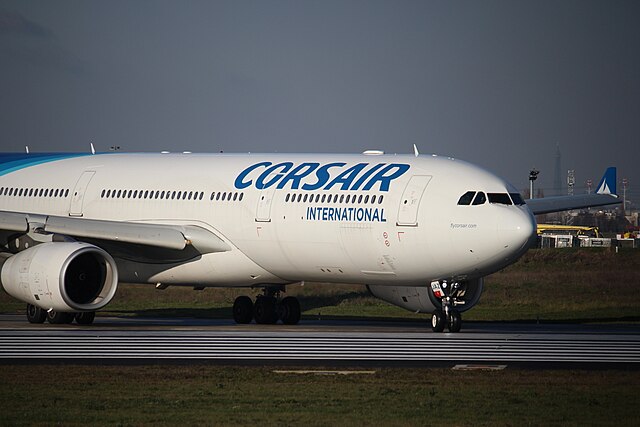
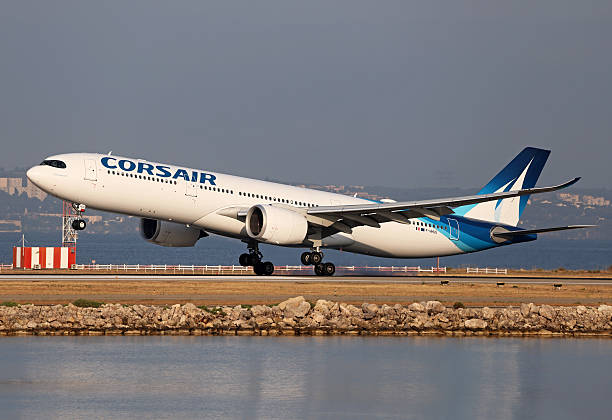
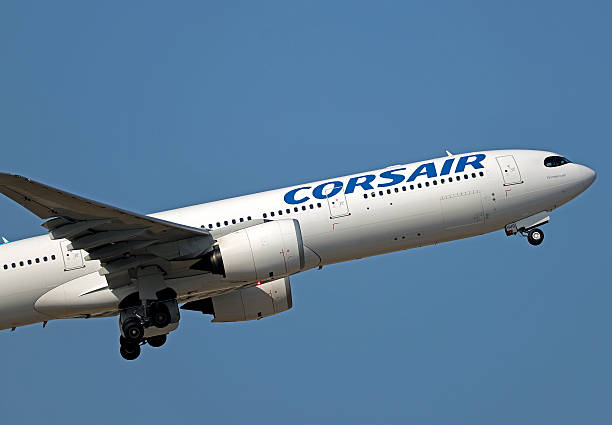
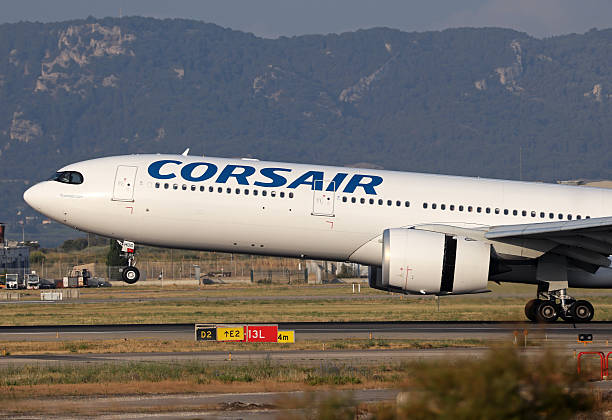
Corsair, a French airline, will receive €167.8 million in restructuring aid from the French government, following EU approval under the EU State aid rules.
Structure of the aid
The aid consists of an €80 million write-off on loans that were approved by the European Commission in December 2020 and €87.8 million of additional financing.
Corsair specialises in flights between mainland France and its overseas regions, including Martinique, French Guiana (regions in the Caribbean), Réunion, and Mayotte (regions in Africa), with operations based at Paris-Orly Airport.
Background to the Restructuring Aid
In 2020, the EU Commission approved €106.7 million in restructuring aid for Corsair, including the €80 million in loans, and approved €30.2 million in compensation for damages and losses the company took during the coronavirus pandemic.
The aid will be subject to conditions, including measures to limit the impact on competition, such as a reduction in flight rotations and the release of airport slots.
The EU Commission launched an investigation in February 2024 to assess whether the revised support package complied with EU State aid regulations, which set strict criteria for assisting companies in financial trouble.
The latest approval followed Corsair’s repayment of previous state aid given in 2021 and 2022, as well as updated business plans and additional commitments from Corsair.
The Commission said the revised measures would enable Corsair to return to its capability by the end of the restructuring period.
About the State Aid
EU State aid rules require that companies receiving restructuring support demonstrate they will become self-sufficient, contribute to the costs themselves, and limit any disruption to market competition. These safeguards are intended to ensure that public money does not unfairly benefit one business over others.
To ensure that this prohibition is respected and exemptions are applied equally across the European Union, the European Commission is in charge of ensuring that State aid complies with EU rules.
For more similar updates, follow Travel Radar.