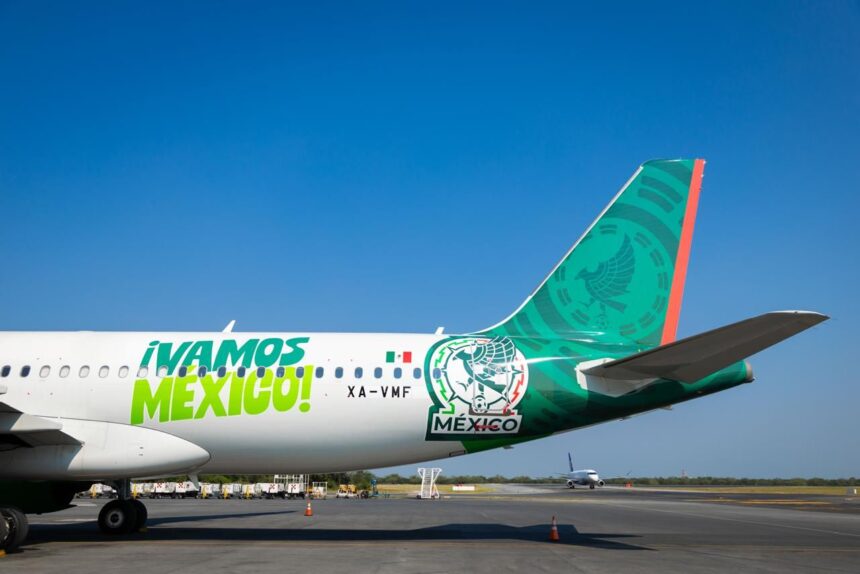
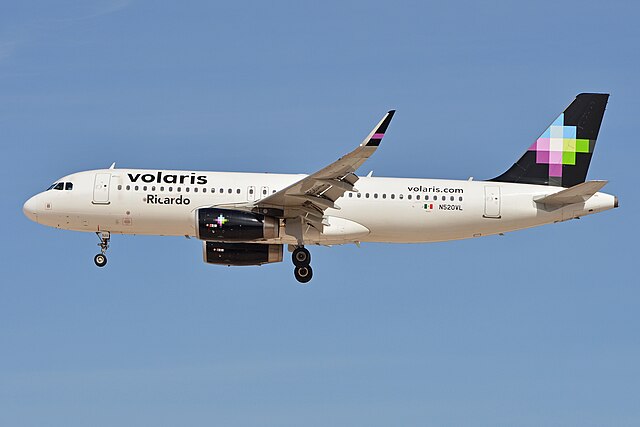
In a move set to transform the Mexican aviation landscape, Volaris and Viva Aerobus have unveiled a landmark agreement to merge into a single, powerful holding group.
The airlines confirmed the 50/50 “merger of equals” on December 19, 2025. While both brands will continue to operate independently, the combined entity aims to leverage massive economies of scale. The primary target is reducing fleet ownership costs, which executives identified as their largest expense.

Scale and Savings Strategy
The merger aims to significantly reduce the airlines’ largest costs. By combining their nearly identical all-Airbus fleets and operations, they plan to negotiate better deals on aircraft and parts. Sharing resources is expected to save hundreds of millions of dollars annually.
“We expect the formation of the new airline group will allow us to realise significant growth opportunities for air travel in Mexico,” said Enrique Beltranena, CEO of Volaris.
His counterpart at Viva, Juan Carlos Zuazua, emphasised the goal to “offer ultra-low-cost fares and more point-to-point flights to even more cities.”
The Path to Regulatory Approval
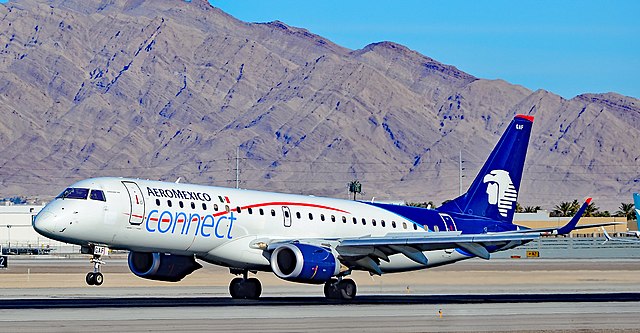
The path to completion is fraught with significant regulatory hurdles. The combined entity would command a staggering 71% share of Mexico’s domestic passenger market, a fact that will draw intense scrutiny from the country’s competition authorities. Rival Aeromexico, which holds most of the remaining market share, is widely expected to formally oppose the deal.
Furthermore, the merger must be approved by regulators in other jurisdictions, including the United States, where recent diplomatic tensions over flight slots and routes add a layer of complexity to the review process.
What the Merger Means for Travel
For travellers, the airlines promise that little will change at the point of sale, with both brands competing independently on routes and pricing. Behind the scenes, however, the combined strength aims to fund an aggressive expansion of point-to-point connectivity, particularly on routes to the United States, Central America, and the Caribbean.
The merger represents a decisive strategic shift, positioning the new group to not only withstand challenges like airport slot reductions and engine groundings but to emerge as a dominant, financially resilient leader in Latin American low-cost travel.
Will this colossal merger lead to lower fares for passengers, or will market consolidation reduce meaningful competition? Share your views in the comments below.