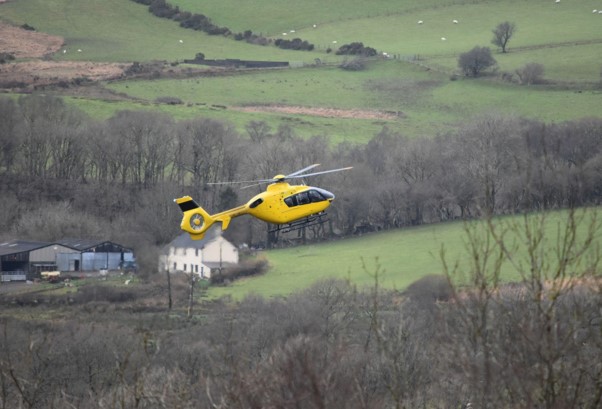
Helicopter travel around the UK has a clear practical appeal, since a single flight can link central London with a country estate, a racecourse or a regional airport, often landing within a short walk of where passengers need to be. Getting the most from it, though, depends on a few checks made before the booking is confirmed, covering who flies the aircraft, where it can land and what it can carry.
Confirm Who Will Operate the Flight
The first detail to establish is the name of the operator. Under Civil Aviation Authority guidance, the company that sells a flight is not always the one that operates it, and passengers are entitled to be told who the operator is. That company can then be checked against the CAA’s published list of UK Air Operator Certificate (AOC) holders, which confirms it is authorised to carry paying passengers.
For many travellers, the simplest route is to arrange a helicopter charter through a specialist who sources aircraft from a range of licensed operators and handles these details as part of the booking. It is still worth asking for the operator’s name and the aircraft type before travel, so both can be checked independently.
Don’t forget that the crew matters too. The British Helicopter Association points out that a pilot carrying paying passengers must hold a commercial licence, since a private pilot’s licence does not allow any payment for carrying passengers. The CAA adds that the operator must also hold the correct insurance.
Check Where the Helicopter Can Land
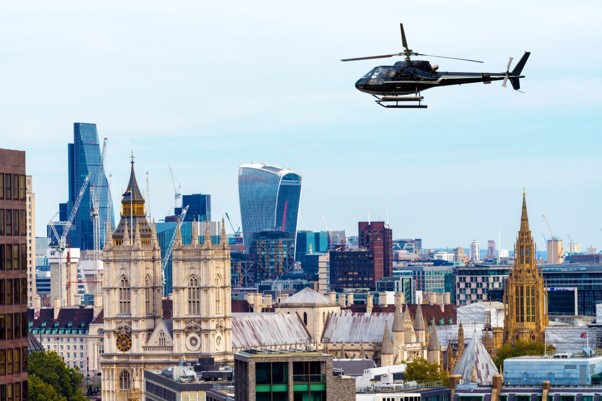
Landing sites can decide the whole itinerary. In the capital, London Heliport in Battersea describes itself as the city’s only CAA-licensed heliport, sitting on the south bank of the Thames within minutes of Chelsea, Westminster and Knightsbridge. Its standard hours are shorter at weekends than on weekdays, and early or late movements can be arranged in advance up to its permitted window of 07:00 to 23:00.
Away from licensed sites, the rules depend on location. Hotels, estates and private grounds can host helicopters, but the landowner’s agreement is needed first. Where a site falls within a congested area of a city, town or settlement, the operator also needs CAA permission under Rule 5 of the Rules of the Air Regulations 2015. The regulator’s CAP 3043 guidance notes that such sites can only be authorised at the flight-planning stage, never once the aircraft is airborne. Anyone hoping to land at home or at a venue in town should mention it early, so the operator has time to apply.
Match the Aircraft to the Group and the Luggage
Cabin size varies more than many first-time passengers expect. Twin-engine types used for UK charter include the Leonardo AW109, which typically seats up to six passengers, and the Airbus H145 and Leonardo AW139, which can each take up to nine. Larger parties are usually split across two or more helicopters flying the same route.
Luggage needs equal attention and consideration. A common guideline is one soft-sided bag of around 10kg per person, as storage space on most helicopters is limited. That allowance can increase when fewer seats are filled, so if you intend on taking golf clubs or large hard-shell cases with you, it should be mentioned before getting the full quote.
Agree on a Plan for the Weather
UK weather has a direct bearing on helicopter schedules, particularly between late autumn and early spring, when low cloud and short days are more common. Whether a flight goes ahead depends on the conditions and the aircraft type, and twin-engine helicopters, with their more advanced navigation systems, are generally better able to handle challenging weather.
Before booking, it helps to ask how the decision is made on the day and what happens if a flight has to move. An agreed decision time, a later departure slot or a ground transfer as a fallback means an important meeting or race day still goes to plan.

Book Early for Major Events
Demand for helicopters peaks around the sporting calendar, and some venues only accept aircraft that have been booked in. The Cheltenham Festival returns from 16 to 19 March 2027, with the Gold Cup on the Friday, and the Jockey Club lists helicopter among the ways to reach the racecourse. Arrivals use a dedicated helipad to the north-east of the course, and aircraft must be booked in with prior notice, with a briefing given before landing permission is issued.
The same pattern applies at other fixtures, from Royal Ascot in June to the British Grand Prix at Silverstone in July, where landing slots, heliport parking and aircraft availability are all finite. Booking several months ahead gives passengers the widest choice of aircraft and departure times.
The Smoothest Journeys Are Planned in Advance
A helicopter can turn a cross-country trip into a short hop, but the experience depends on decisions made well before departure. Knowing who operates the aircraft, where it is cleared to land, how much it can carry and what happens if the weather changes mean passengers know what to expect for the journey ahead.
With those points settled, the flight itself becomes the easy part, and the time it frees up can go on the meeting, the race or the weekend that prompted the trip.