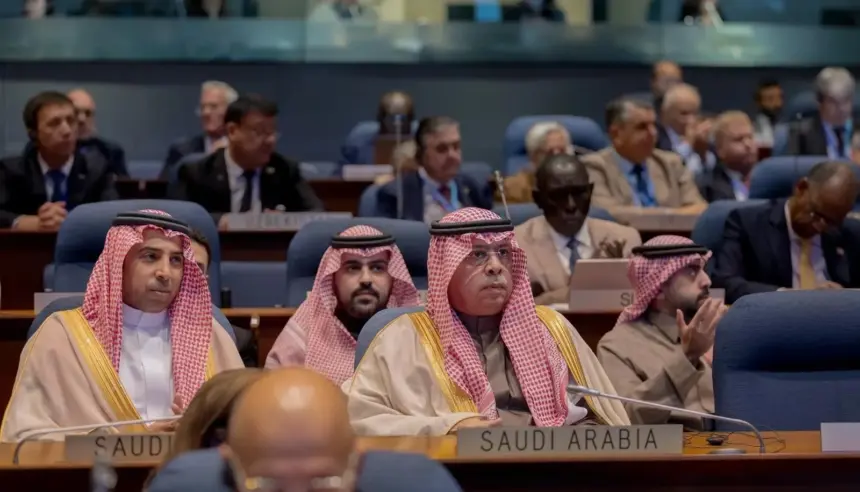
Saudi Arabia signed 12 aviation agreements and cooperation documents with international partners at the Worldwide Air Transport Conference in Montreal. Aimed at expanding international connections, the Kingdom’s aviation sector is expected to strengthen as a result of these agreements.
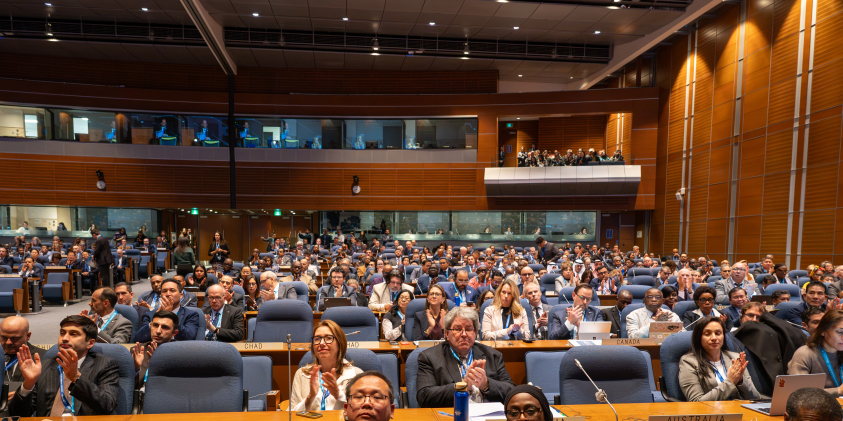
When were the deals made?
From Nov. 16 to 20, the deals were concluded during the seventh Worldwide Air Transport Conference and were organised by the International Civil Aviation Organisation.
The agreement included bilateral air services agreements with Belize, Samoa, Cambodia and Jordan and memoranda of understanding with Saint Lucia, Antigua and Barbuda, Cabo Verde and Türkiye. In addition to this, Saudi Arabia signed records of discussion with Macao, Congo and Equatorial Guinea.
The Saudi delegation, led by GACA President Abdulaziz Al-Duailej, included 44 representatives from 18 national entities, focusing on regulatory cooperation and sustainable growth. The delegation met with ICAO Council President Toshiyuki Onuma and Secretary-General Juan Carlos Salazar, alongside representatives of Airports Council International and aviation officials from several countries. These discussions focused on knowledge exchange and identifying opportunities to develop the aviation sector in Saudi Arabia.
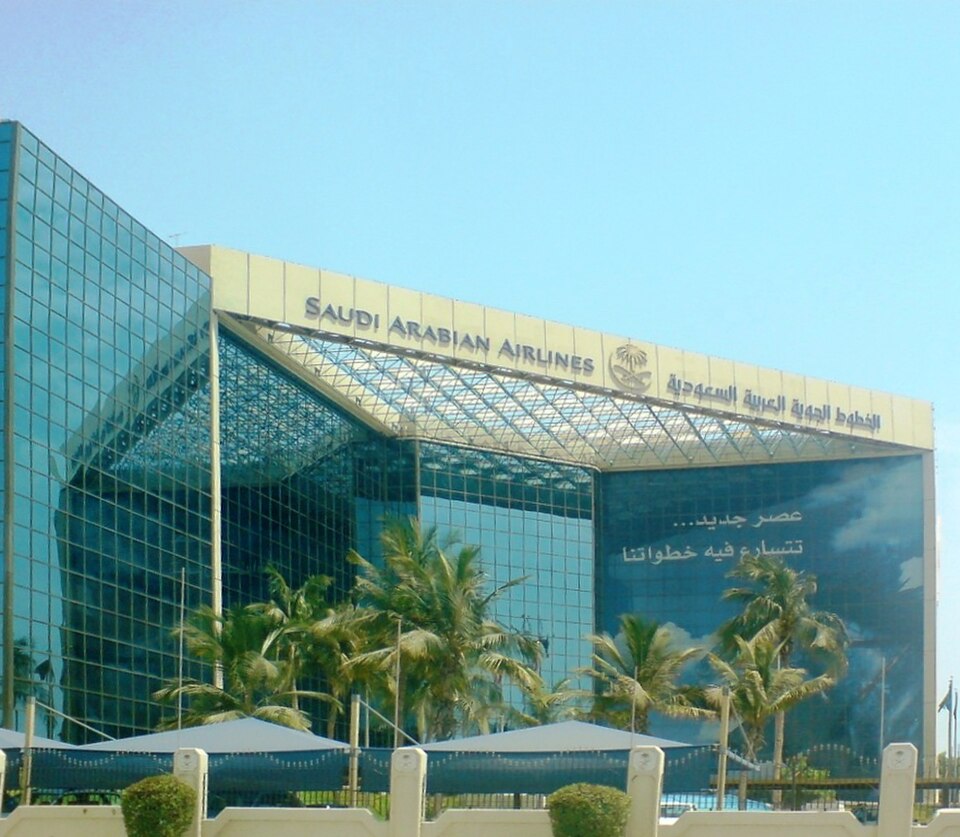
The Saudi Aviation Strategy
Targeting annual passenger traffic of 330 million people, the Saudi Aviation Strategy program is backed by an estimated $100 billion in government and private-sector investment across airports and aviation support services. The strategy also connects more than 250 destinations and has an air cargo capacity of 4.5 million tonnes by 2030.
The working papers addressed investment, innovation, economic regulation and sustainable development. The Kingdom’s priority is to shape its international aviation policy and to strengthen collaborations with global stakeholders.
The SPA report states that:
“The Kingdom achieved a number of outcomes, most notably the signing of 12 agreements, memoranda of understanding, and a record of discussions, the presentation of 8 working papers, and the holding of more than 32 bilateral meetings, in addition to organising an exceptional edition of the Future of Aviation Conference.”
During the conference, Lebanon and Syria submitted accession documents to join the Riyadh-based Middle East and North Africa Regional Safety Oversight Organisation. This will help bring its membership to 10 countries, which is important for the accumulation of expertise and resources for Middle Eastern aviation growth.
Do you think these agreements will help make Saudi Arabia the main international hub that links Asia, Europe and Africa? Let us know in the comments below!