
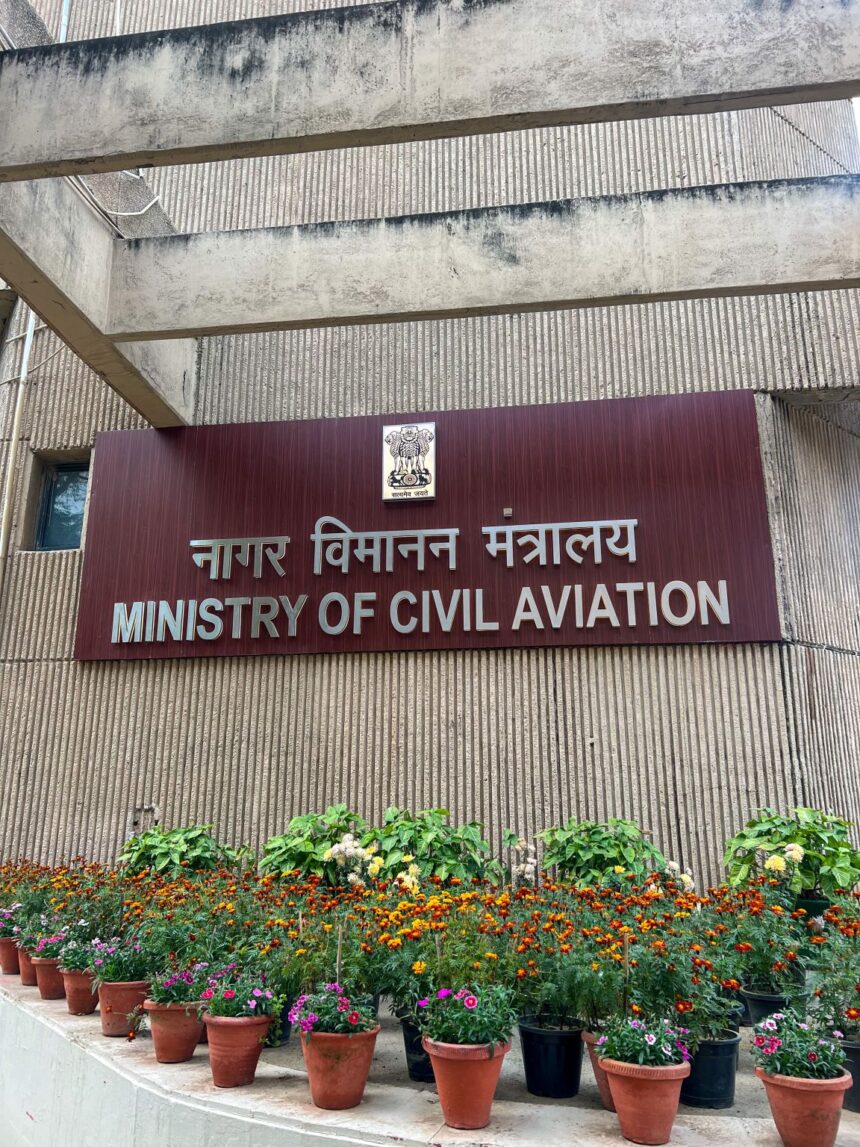
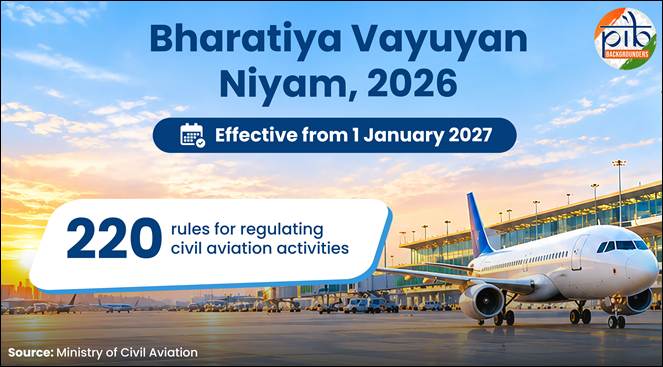
The Indian Ministry of Civil Aviation (MoCA) has officially issued a new set of aviation rules, called the Bharatiya Vayuyan Niyam, 2026: A Modern Rulebook for India’s Skies. The new rules replace the Aircraft Rules, 1937, and will come into effect Jan. 1, 2027.

New Civil Aviation Rules
The government explained the 220 new rules on Nov. 4, 2026, in a press release from the Government of India’s Ministry of Information and Broadcasting. The 278-page document is organised into eight chapters and six schedules. The regulations cover aircraft registration, airworthiness, personnel licensing, aerodrome operations, air navigation services, and aircraft operations.
The Bharatiya Vayuyan Niyam 2026 will also cover fractional ownership, allowing an aircraft to be jointly owned whilst remaining under clearly identified responsibility for maintenance and operations, and detailed fare transparency, with a breakdown of costs required by airlines when displaying ticket costs.
In addition, the rulebook mandates regular inspections and safety measures, and introduces a graded penalty system, with fines of up to ₹1 crore (10 million rupees) for noncompliance.
Context behind the changes
The Bharatiya Vayuyan Niyam, 2026 (which translates from Hindi to Indian Aircraft Rules), comes amid rapid expansion of India’s aviation network.
And now the number of operational airports in India has risen from 74 in 2014 to 166 in Oct. 2026. The Ministry of Civil Aviation said:
“The Rules seek to strike a balance between the commercial flexibility of airlines, ease of doing business and the protection of passenger interests. They strengthen passenger-centric safeguards by promoting greater transparency in airfares and associated charges, while enabling the Central Government to take appropriate measures in extraordinary circumstances.”
The update follows the 2024 update of the Bharatiya Vayuyan Adhiniyam (Indian Aircraft Act), which provided the legislative foundation for the new framework. The rulebook replaces the Aircraft Rules, 1937; part IX of the Aircraft Rules, 1920; and the Radio Telephone Operator (Restricted) Certificate and Licence Rules, 2025, subject to specified savings provisions.
Both the Act and the rules have been updated many times since their implementation, but the new rulebook modernises and consolidates the regulations.
What do you think? Can India’s new aviation rules keep pace with its rapidly expanding aviation sector?