
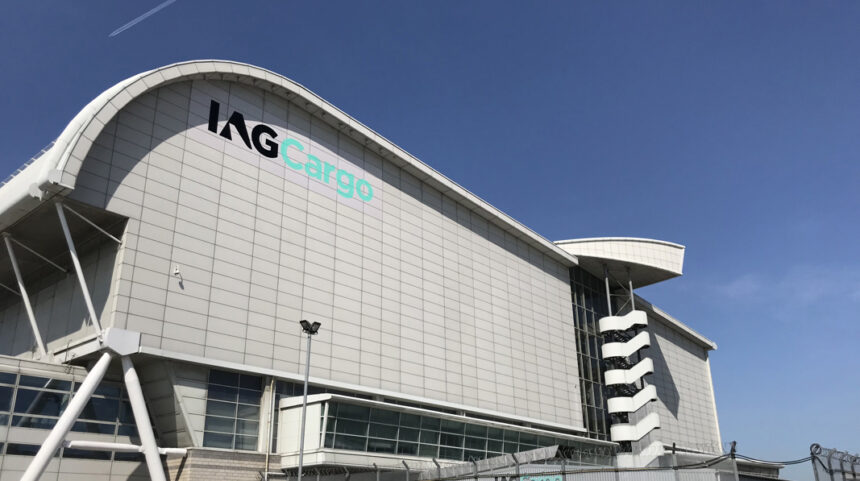
The International Airlines Group (IAG) has warned that planned environmental charges on airlines will create serious challenges and pressure for British airlines. Luis Gallego, IAG’s chief executive, has said these charges will “kill European aviation” and seriously damage the industry. Under UK law, the amount of sustainable aviation fuel that UK carriers must use is set to increase next year.
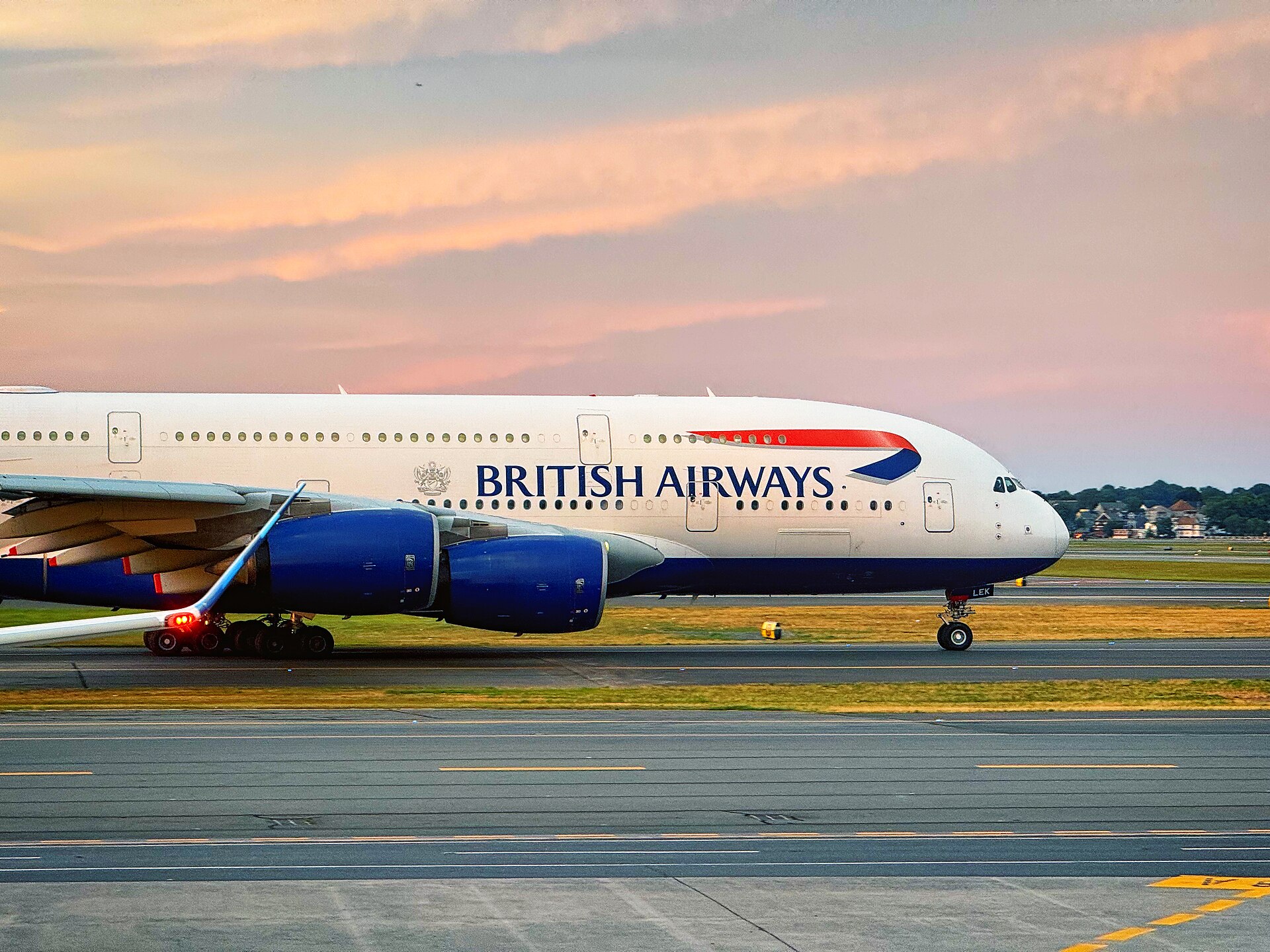
IAG Warns Green Bills Won’t Save the Environment, But Will Kill Aviation
Luis Gallego, head of the International Airlines Group, has voiced concern over proposed green charges targeting British airlines, which he believes will seriously affect their ability to compete in the market, particularly against non-EU airlines not facing such requirements.
Under the current framework, the amount of sustainable aviation fuel (SAF) that UK airlines are required to use will rise from 3.7% to 10% by 2030. EU carriers will also see an increase in their SAF targets, which will reach 6% by the end of the decade.
The use of sustainable aviation fuel is an important step in decarbonising aviation. It is a fuel made from feedstocks that emits less carbon over its full lifecycle than traditionally used jet fuel.
With this said, SAF production is limited. At the most recent Airlines For Europe (A4E) conference, Gallego noted that SAF mandates were advancing faster than production capabilities.
Critics like Gallego, as well as other airline bosses and union groups, have warned that current legislation will cost carriers a combined £2 billion by 2030. At a time when airlines are facing additional costs across many areas of the industry, as well as rocketing fuel prices, it is unsurprising that there are major concerns about the impact this could have on the aviation industry as a whole.
Sean Doyle, CEO of British Airways, said that the industry was facing costs and pressures from additional charges that would affect consumers. He added that he hoped legislators would review the regulations to ensure British aviation remained competitive and gave customers value for their money.

EU Eases Off Drive to Meet Sustainability Goals
The conflict between maintaining the competitiveness of the aviation market and working towards a more sustainable industry is a growing issue for governments and airlines alike.
Whilst the UK held a consultation to review its sustainability plans, the European Union (EU) took a different approach to the difficulties airlines have faced with rising operating costs.
The EU came under fire earlier this year after announcing it would “soften” its own fuel regulations by not financially penalising airlines that could not meet the previously agreed-upon fuel targets.
Eddy Ligeois, head of the aviation policy unit, confirmed there would be no punishment for fuel suppliers that did not comply with the mandate that requires suppliers to include some SAF in fuels provided to airlines by 2030.
This decision drew criticism from advocates who argued it sent an odd message that seemed to undermine efforts to decarbonise the industry. A lobbyist representing green fuel producers said that the decision essentially communicated that if airlines and fuel suppliers sat back long enough, they would not be held accountable.
As deadlines to introduce more sustainable aviation fuel into airlines’ jet fuel supplies approach, both government organisations and aviation authorities will have to grapple with meeting these targets while keeping costs reasonable for consumers.
What do you think of airlines being targeted by environmental charges? Let us know in the comments below.