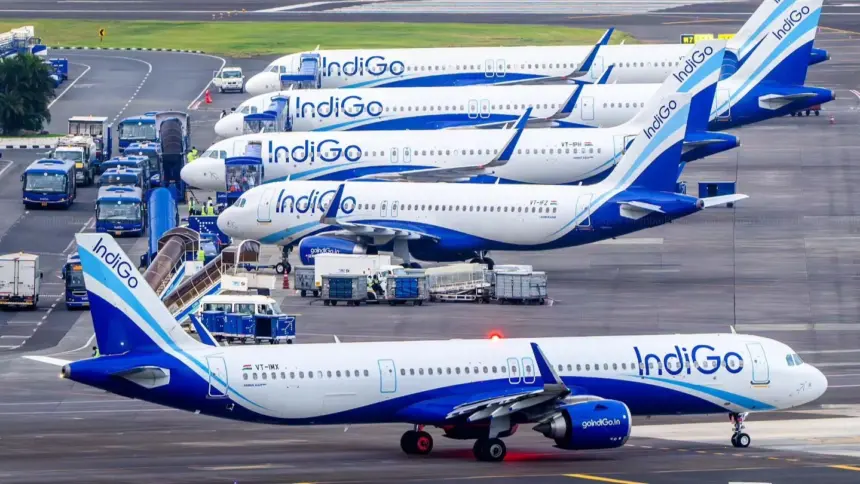
India’s potential as a global aviation hub outweighs immediate pressures from higher fuel prices and airspace restrictions, according to the new chief executives of IndiGo and Air India.
IndiGo Shifts Long-Haul Plans to the A321XLR
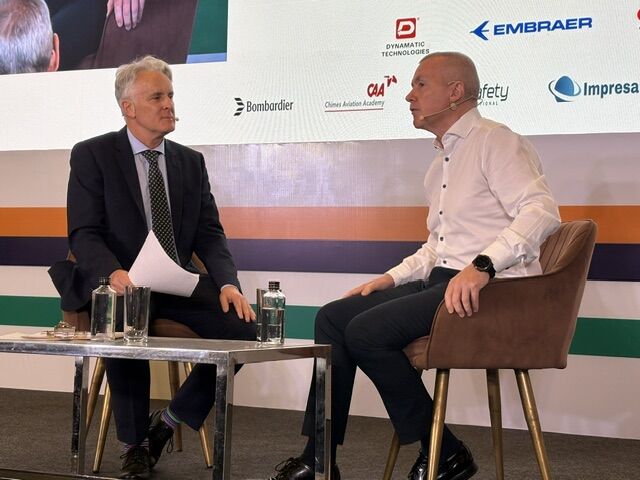
Speaking at he Aviation India Summit and Exhibition in Delhi, Willie Walsh said IndiGo’s long-haul strategy is being reshaped to reflect today’s operating environment.
The former IAG chief executive and International Air Transport Association ex-director general said IndiGo’s leased Boeing 787 operation – launched to enter the long-haul market – began in a very different environment. Higher fuel prices and airspace restrictions have made it difficult to sustain.
IndiGo is now shifting international growth to the Airbus A321XLR, with five due by the end of 2026 and 14 by the end of 2027. The airline has already begun flying to Amsterdam on a flight of just over ten hours. A350s are due from the second quarter of 2028, and IndiGo has codeshares with 13 airlines.
Walsh said:
“Our partners want to serve India; they want access to our network. In that sense, we hold a lucrative key to the market.”
IndiGo holds about 65% of the domestic market and operates international services from 23 Indian airports. Walsh said growth slowed in the second quarter of its financial year, with seat factor falling by about two points as the airline moved to offset higher fuel costs. IndiGo is reviewing all costs and expects to operate around 600 aircraft by 2030.
Air India Rebalances its Network
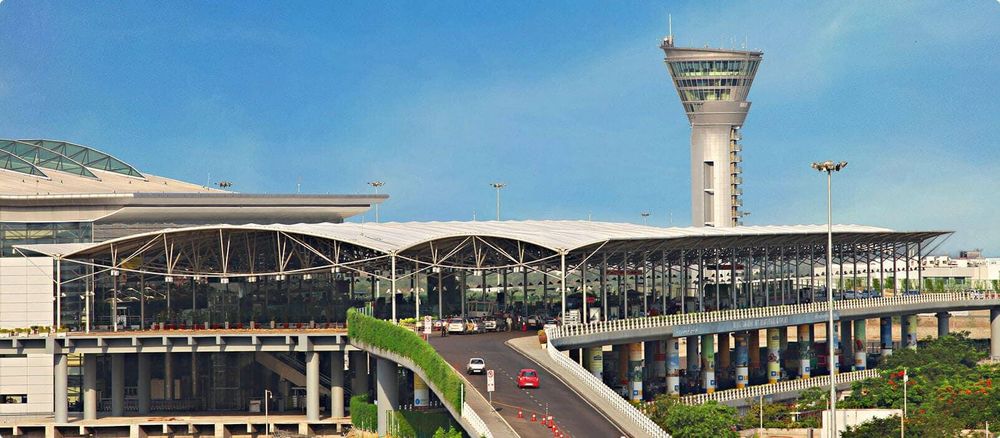
Tewolde Gebremariam, Air India’s newly appointed CEO and former chief executive of Ethiopian Airlines, said the airline faces losses in the short term but has a clear route to growth. He cited higher fuel prices, geopolitical tensions in the Middle East and Pakistan’s airspace closure as headwinds. Services to Europe and North America have been affected, and the airline has cut frequencies to some U.S. cities, including Chicago, Washington and San Francisco.
In response, Air India is shifting capacity toward eastern and southeastern markets that are not affected by the airspace closures. It is also integrating its operations with low-cost arm Air India Express so the two share corporate functions. Gebremariam said shareholders Tata Group and Singapore Airlines remain committed to the airline’s ambitions, and that he is more impatient than they are to see it return to profitability.
Both chief executives said that India has the potential to become a global hub. Gebremariam pointed to India’s geographic position, its population of 1.4 billion and a diaspora of more than 30 million, noting that success depends on infrastructure, network, strategy, product and long-term ambitions. Walsh cited examples such as Turkish Airlines in Istanbul and the Gulf carriers in Abu Dhabi, Dubai and Doha, saying a similar opportunity exists in India for hub airlines.
What do you think about India’s potential in becoming a global aviation hub? Share your thoughts in the comments below.