Boeing’s 787 Dreamliner is facing renewed regulatory scrutiny after U.S. aviation authorities identified a manufacturing inspection issue involving components inside the aircraft’s fuel tank. The Federal Aviation Administration (FAA) has issued new requirements for affected operators, calling for additional checks to confirm that protective sealant was properly applied and inspected during production.

Manufacturing Procedures Under the Spotlight
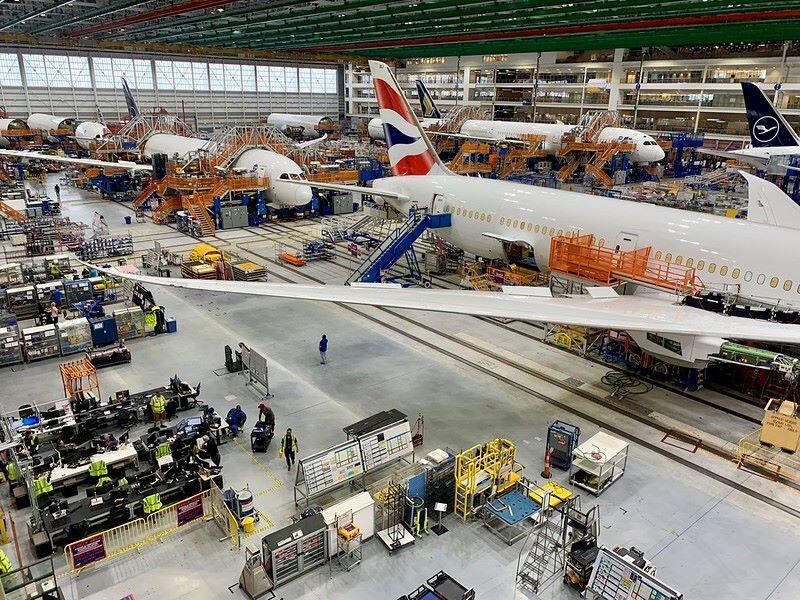
At the center of the issue is the sealant used in the Boeing 787’s center wing fuel tank, which helps maintain the fuel tank structure’s integrity, making proper application and inspection a key part of aircraft production. According to the FAA’s airworthiness directive (AD), certain installations may not have undergone the necessary visual and adhesion checks; without those assessments, operators cannot be certain that the sealant meets the required standards.
A defect in the affected areas could contribute to conditions that allow an ignition source to develop inside the fuel tank. If combined with an appropriate ignition event, such as a lightning strike, the consequences could be serious. The FAA’s intervention is intended to identify and address any affected installations before they create a safety concern.
The directive covers selected Boeing 787-8, 787-9, and 787-10 aircraft rather than the entire Dreamliner fleet. It also reinforces the role of continuing airworthiness requirements in identifying production-related issues after aircraft have entered commercial service.
Airlines Face Additional Compliance Requirements
The FAA estimates that around 60 aircraft registered in the United States will be affected by the directive, operators will have to inspect specified sections of the center wing fuel tank, including areas around the connections between the wings and aircraft’s fuselage. The process includes checking the condition of the sealant and conducting tests to assess how securely it is bonded to the relevant surfaces. Any problems discovered during these examinations will require appropriate corrective action under approved maintenance procedures.
The regulator estimates that the inspections will involve approximately 34 hours of work and an anticipated cost of $2,890 per aircraft. The estimated total inspection expense for the affected U.S. fleet is approximately $173,400 before any additional repair work. The directive is schedule to become effective Dec. 7, 2026.
Although the FAA has not ordered a fleet-wide grounding, airlines will need to incorporate the new requirements into their maintenance planning and ensure that affected aircraft meet the necessary standards.
Follow Travel Radar for the latest developments in aviation, airlines, and airports around the world.