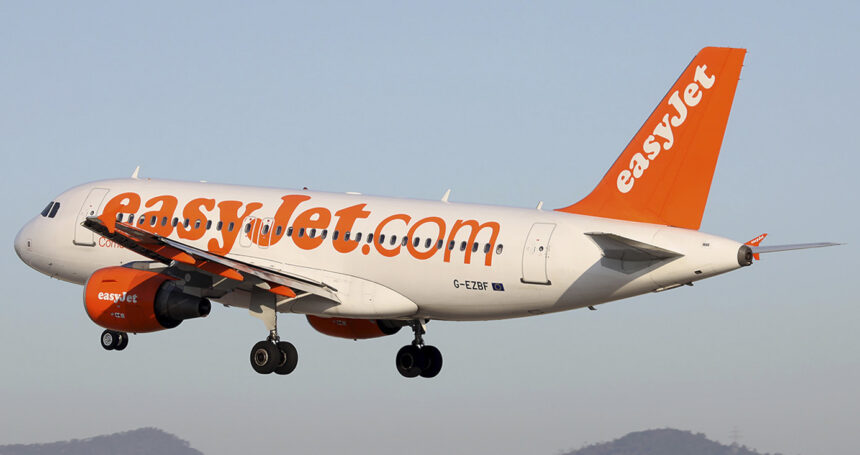
easyJet plans to cut a further 700,000 seats from its upcoming winter schedule in order to save on fuel costs. The announcement follows similar capacity reductions from Ryanair and Wizz Air, with fuel prices rising sharply since the start of the conflict in Iran in February.
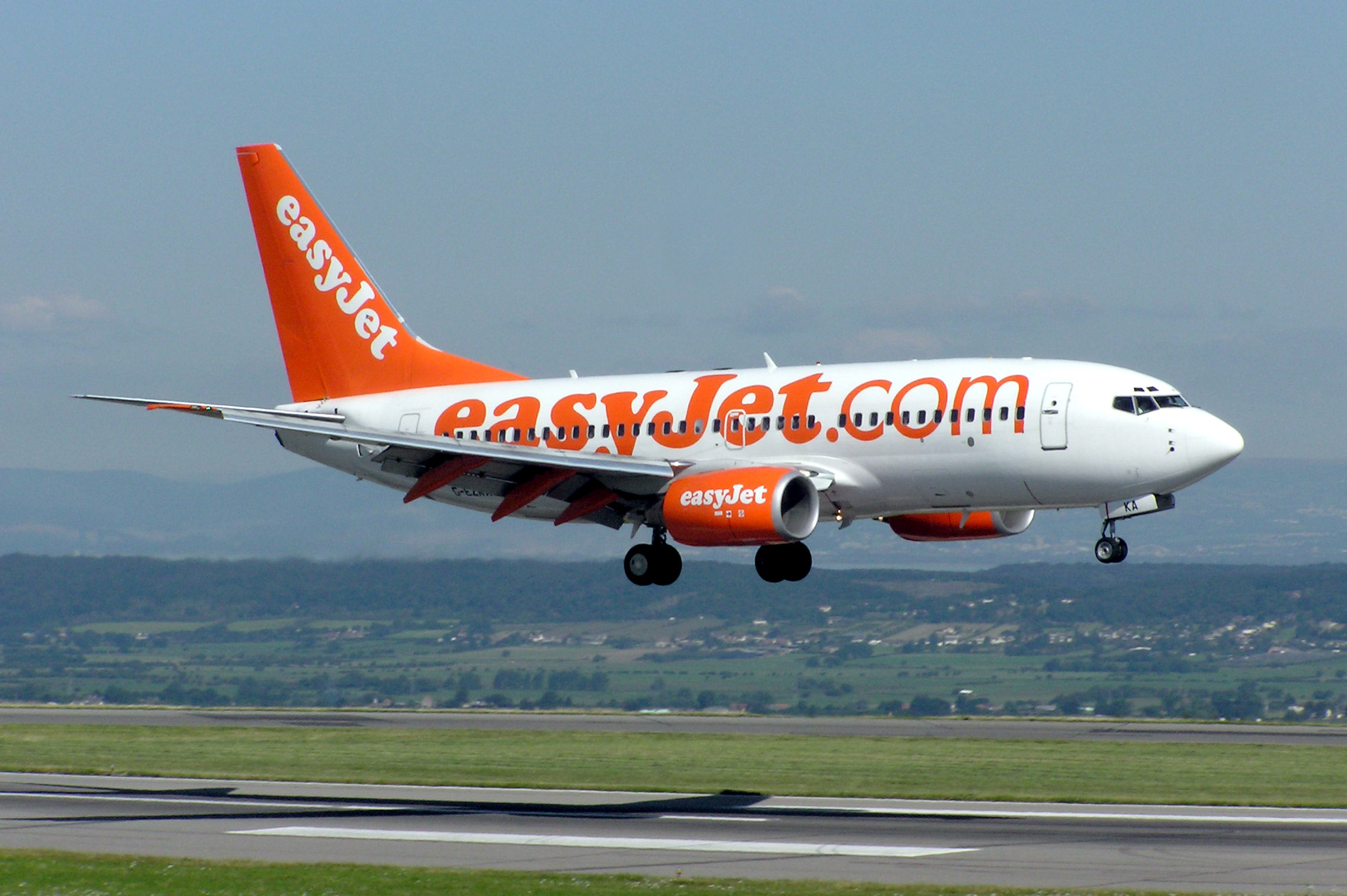
easyJet Axes Another 700,000 Seats, Thousands of Flights to be Affected
easyJet has confirmed that a further 700,000 seats will be cut from the budget airline’s winter schedule. This is the second series of cuts the airline has made, which raises the total number of cuts made by easyJet to almost 1.4 million seats from flights over this winter period.
The cuts have been made to manage fuel costs, which airlines are reporting to be increasingly unmanageable.
Chief Executive of easyJet, Kenton Jarvis, has said easyJet would be scaling back capacity over the quieter winter season, which runs from October 2026 to March 2027, to save on paying for fuel.
The airline typically offers around 50 million seats across flights over their winter season. These latest cuts will equate to around two days of flying.
Jarvis told the Financial Times that it had been a surprise to the industry that fuel costs had remained as high as they have, and that consequently many airlines had begun reducing capacity.
Jet fuel costs have roughly doubled since the beginning of the U.S.-Iran conflict, which has resulted in the closure of the Strait of Hormuz. Although prices have started to fall, they remain notably higher than they were prior to the conflict.
No Clear End in Sight
Rising fuel costs have been the source of problems for several airlines over the past year. The International Air Transport Association (IATA) has warned that fuel costs are likely to add a further $100 billion to the aviation sector’s expenses this year.
Several carriers have fallen into bankruptcy since the conflict began. Spirit Airlines, in the United States, and airBaltic, based in Europe, have both filed for bankruptcy this year.
This announcement from easyJet also follows similar statements from fellow British budget airlines Ryanair and Wizz Air.
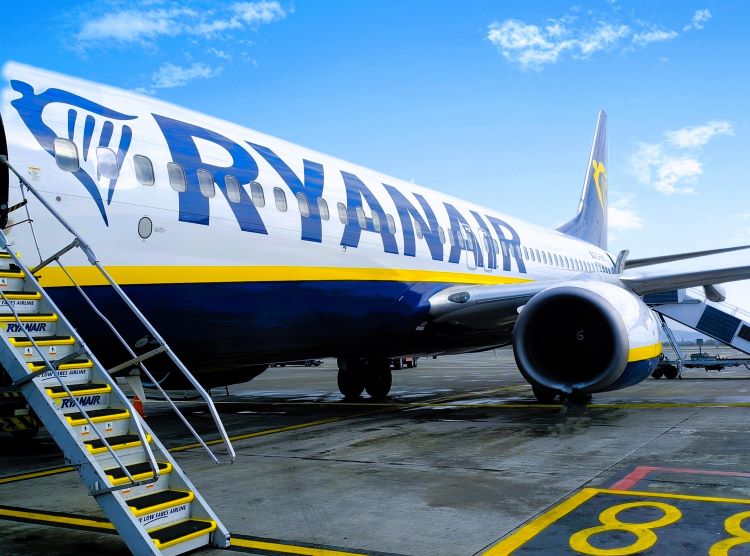
Ryanair announced it would be cancelling services on Tuesdays, Wednesdays and quieter weekend periods to reduce fuel expenditure over the winter season. Chief Executive Michael O’Leary said he expected elevated fuel costs to persist for another 18 months, and said it would be a challenging year for airlines next year.
Wizz Air has also confirmed a 5% cut to its winter capacity.
Cost pressures for airlines are set to continue as airlines contend with mounting pressure to invest in more sustainable, but more expensive, aviation fuel.
An extension of the European Union’s emissions trading system has been proposed, endorsed by the European Commission, due to claims that international agreements have failed to deliver effective methods of reducing emissions.
If approved, airlines will face a challenging financial year as they contend with high fuel prices and requirements to deal with more costlier sustainable fuel.
What do you think of an extension to the EU’s emissions trading system? How do you think this will affect airline costs and passenger costs? Let us know in the comments below.