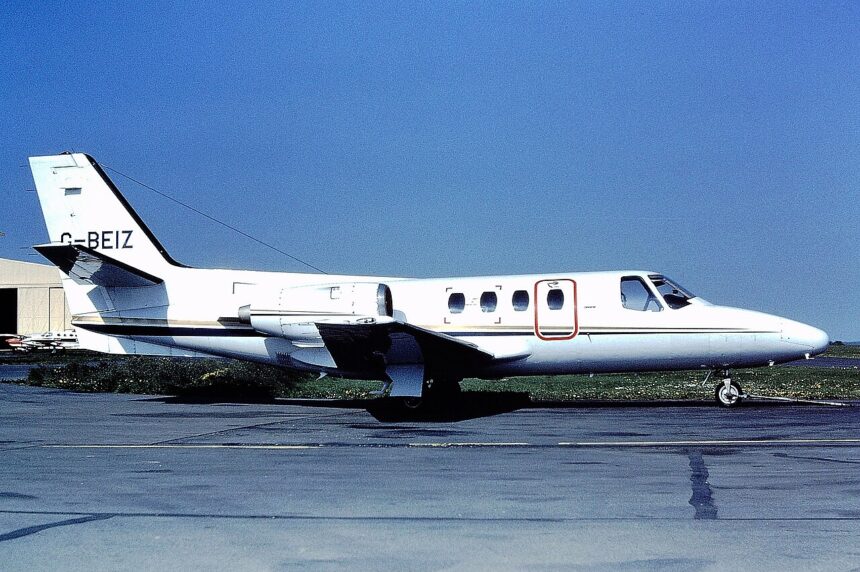
The U.S. Federal Aviation Administration (FAA), has rescinded single-pilot exemptions for certain Cessna Citation aircraft, mandating the presence of two pilots for models certified for two-pilot crews. This change took effect on Sept. 29, 2026, requiring popular Cessna Citation models such as the Citation I, Citation II, Citation S/II, Citation V, Citation Ultra, Bravo, Encore and Encore+ to have a permanent two-pilot cockpit.
Why the Change?
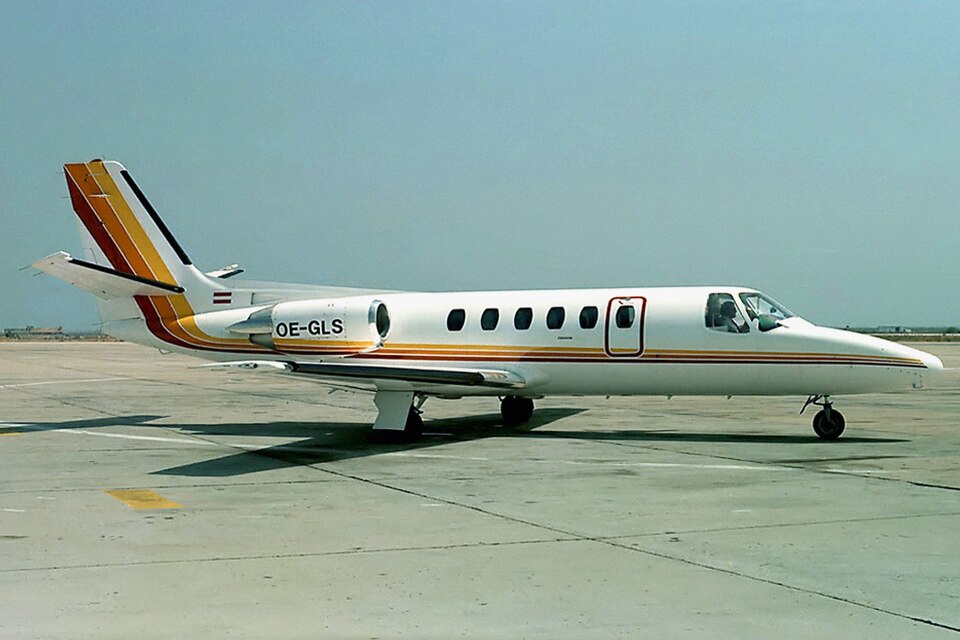
The FAA previously granted single-pilot exemptions for the aforementioned Cessna CE-500 variants. This allowed the smaller aircraft, certified to include a pilot in command (PIC) and second in command (SIC), to operate with a single pilot under strict regulations. The U.S. civil aviation authority had deemed that the exemptions provided increased operating flexibility and reduced economic burdens. The exemptions continued because no data suggested a safety deficit between one-pilot and two-pilot crews.
The FAA decided to stop issuing single-pilot exemptions for these aircraft after a 2024 in-depth compliance review found multiple breaches and neglect. Many issues surfaced from incomplete records, improper training, and incompetent checks that have failed to detect falsified records. The agency stated that 13 of the 14 exemption holders were denied extensions or had their exemption pulled. A review of CE-500 accidents over the last 18 years by the FAA found that the accident rate in single-pilot crews was about twice as high.
Recent accident and incidents
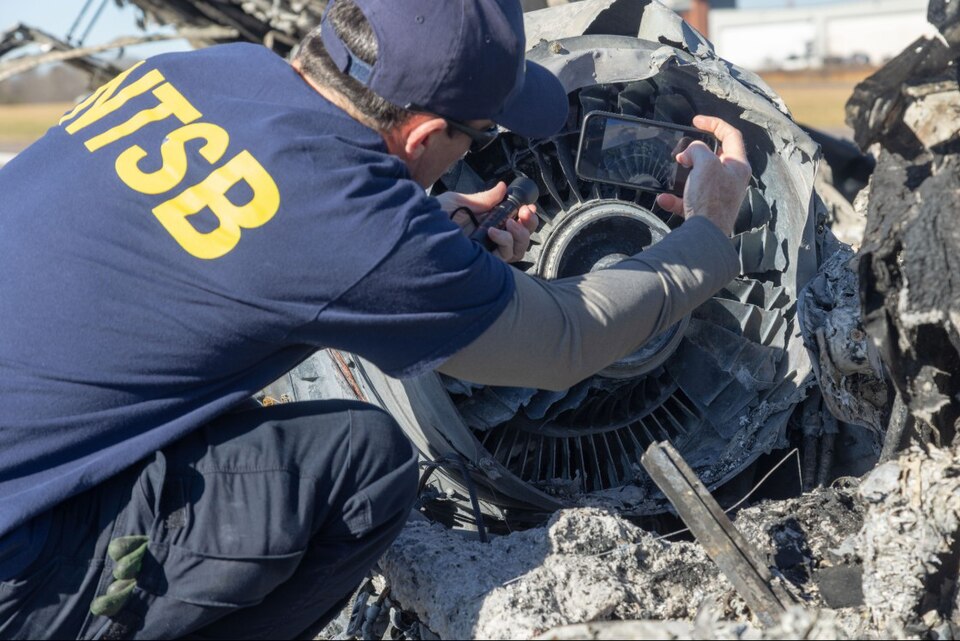
The decision came off the back of two high-profile Cessna Citation accidents in 2025. On May 22, 2025, a Cessna Citation 500 involving a single-pilot operation crashed in San Diego, killing all six on board and injuring eight others on the ground. After the accident, the FAA found that the pilot received an improper check six months prior to the accident.
The second accident occurred on Dec. 18, 2025, in Statesville, North Carolina. The Cessna 550 Citation II was flown without a qualified SIC and claimed the lives of seven people, including the owner, retired NASCAR driver Greg Biffle. The National Transportation Safety Board (NTSB) is still investigating both accidents to determine the probable cause.
Response from the AOPA
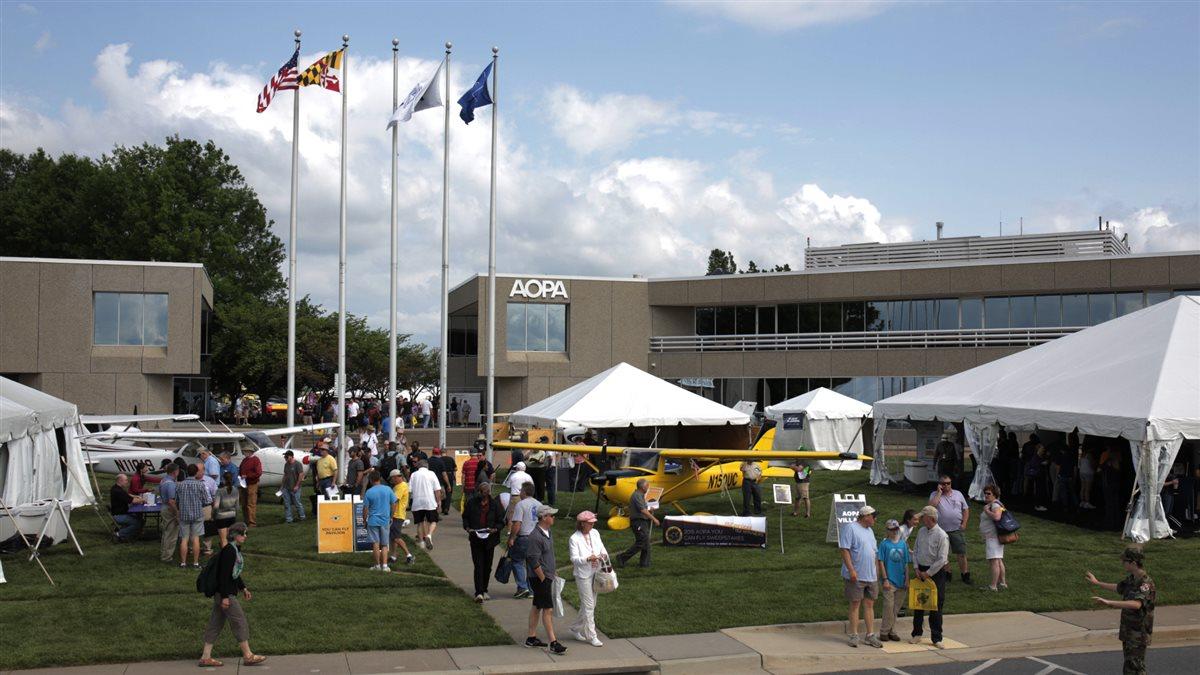
The decision to rescind single-pilot exemptions was met with criticism from the Aircraft Owners and Pilots Association (AOPA). The aircraft owners’ organisation addressed a letter to the FAA, urging the civil aviation authority to halt and reconsider the decision. In the letter, AOPA commended the FAA’s action to reinforce safety measures but felt the decision punishes compliant, safe operators and pilots.
“Any deficiencies in operations under this exemption should have been identified and corrected long before such drastic action, without industry collaboration, was taken,” said AOPA Vice President of Regulatory Affairs David Boulter.
The AOPA Air Safety Institute (ASI) also posed a similar question to the FAA.
Robert Geske, senior manager of safety analysis, said:
“ASI questions the agency’s decision to dramatically shift toward a blanket prohibition approach, given that a number of operators are operating accident-free and routinely exceed the minimum standards established by the administration.”
The FAA’s action does not affect aircraft that were originally certified for single-pilot operation, such as the Cessna Citation 501, 511, and the CE-525 CJ series. Those aircraft can continue to be flown with a PIC on board.
What are your thoughts on the FAA ending single-pilot exemptions for Cessna aircraft? Let us know in the comments!