
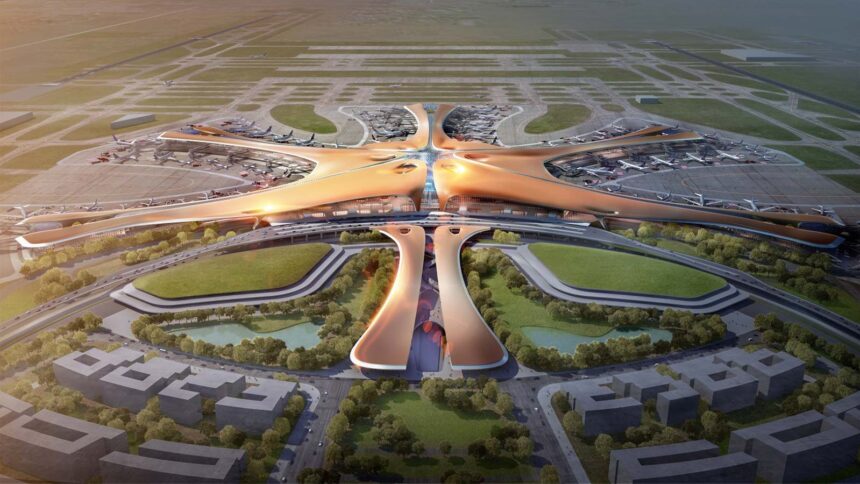
Air travel has seen great growth in the past few decades, which has seen it transform from a luxury service into a global requirement. As passenger numbers grow, the role of airport infrastructure has become more so than it has ever been before. Airports are not just transport hubs; they are complex systems that support economic growth, global connection, and the passenger experience. Without robust and forward-thinking infrastructure, the aviation industry runs the risk of traffic jams, delays, and inefficiencies, which play out daily to millions of travelers.
The Rising Demand for Air Travel
Air travel is seeing great growth thanks to increased tourism, business travel, and cargo transport, which in turn is a result of a global scale. In emerging markets this is seen as middle-class populations expand and, at the same time, air travel becomes more affordable. Also playing a role is the fact that airports are at a breakneck pace to handle the larger passenger volumes while at the same time they must do so in a safe, efficient, and comfortable manner.
In the present day professional aviation planning firms play a key role. They bring to the table the expertise that airports use to develop and put in place scalable infrastructure solutions that also look to the future, which is in parallel with present requirements. This is seen in runway optimization as well as terminal design, which in turn supports the growth of the airport without at the same time seeing a drop in service quality.
What Is Airport Infrastructure?
Airport infrastructure consists of all physical and technical systems that support airport operations. This includes:
- Runways and taxiways
- Terminals and boarding gates
- Air traffic control systems
- Baggage handling systems
- Security and customs facilities
- Parking, transportation, and access roads
Each component has to work well with the rest for smooth operation. In some areas there may be delays and inefficiencies, which will be a result of a weak link in the system.
Economic Impact of Strong Infrastructure
At present there is very sound economic growth, which is brought forth by well-developed airport infrastructure. Airports are noted to create jobs, support tourism, and also, in large part, put forward the means for faster movement of goods and people. Also, it is a fact that cities that have modern and efficient airports see a higher level of international business and investment.
For instance, it is seen that by improving airport capacity, there is also growth in the number of flight routes, which in turn has a positive effect on tourism revenue. Also, it is in the area of global supply chains that it is noted the key role that cargo facilities play, in particular for time-sensitive products like pharmaceuticals and electronics.
Enhancing Passenger Experience
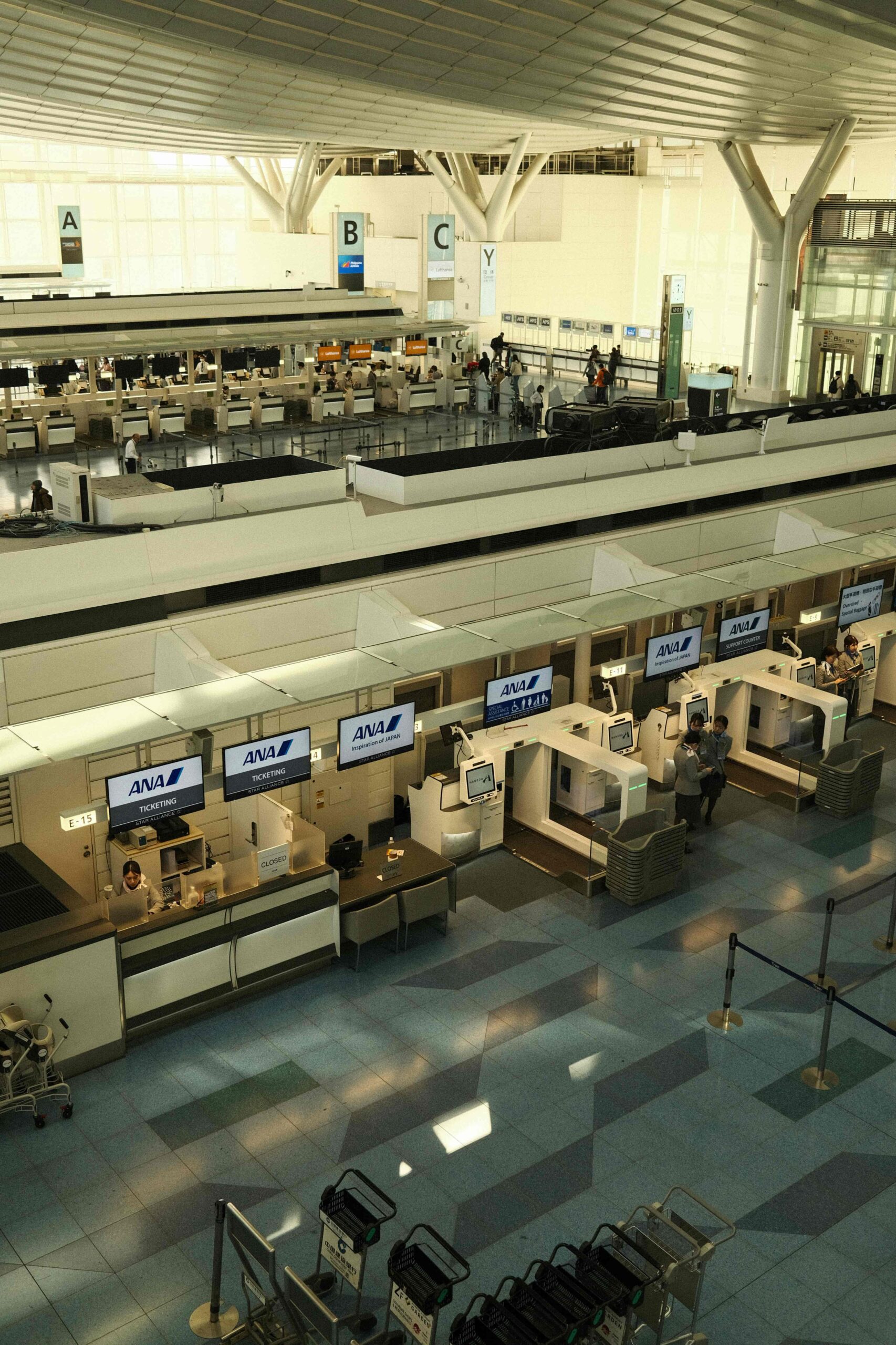
Today passengers expect out of their travel experience far more than just transport; they seek comfort, convenience, and efficiency. Modern airport design plays a great role in how happy passengers are. Features such as:
- Automated check-in and boarding
- Efficient security screening
- Clear wayfinding systems
- Comfortable lounges and waiting areas
All that which improves the travel experience.
When at the drop of a hat, airports don’t live up to what is expected, passengers are the ones that suffer through long queues, confusion, and delays, which in turn mar the overall experience of air travel.
Addressing Congestion and Delays
At present a major issue for airports is that of congestion. As there is an increase in flight frequency, many airports have trouble with runways, which have limited capacity and which in turn see terminal overpopulation. This in turn causes delays, missed connections, and issues with operation efficiency.
Invest in airport infrastructure, which in turn does the following:
- Expanding runways and terminals
- Upgrading air traffic management systems
- Implementing smart technologies for real-time monitoring
These improvements, which also include an increase in safety and a greater level of reliability.
Sustainability and Environmental Considerations
As the number of air travelers increases, so does the field of environmental issues related to air travel. Today’s airport development has a role in which it may include the application of green practices that will in turn reduce carbon output and energy use. This includes:
- Energy-efficient terminal designs
- Use of renewable energy sources
- Improved waste management systems
- Sustainable construction materials
Sustainable infrastructure at airports leads to a better environment as well as compliance with international rules and, in terms of operation, reduced costs.
The Role of Technology in Modern Airports
Technology is overhauling airport infrastructure on a large scale. From biometric security systems to AI-run operations, innovation is at the core of today’s airport development.
Key technological advancements include:
- Smart security screening systems
- Real-time flight and baggage tracking
- Automated passenger processing
- Digital twin simulations for infrastructure planning
These technologies increase efficiency, reduce human error, and improve the passenger journey.
Conclusion
As air travel growth is seen today, it is no secret that airport infrastructure is key. Airports are the backbone of today’s aviation industry, which in turn touches all aspects from how effectively things operate to how satisfied the passengers are and the economic impact. It is also known that for airports to handle the greater demand that is coming their way, they must follow strategic planning, have innovative technology, and also be focused on sustainable development, which will in turn not sacrifice quality or safety.