
Millions of passengers travel through airports every day, carrying everything from passports and mobile phones to laptops, luggage and personal belongings. Amid busy terminals, security checks and tight connections, items are inevitably left behind.
A mobile phone forgotten in an aircraft seat pocket, a wallet misplaced at security or a laptop left in an airport lounge can begin a complicated recovery process.
Although passengers may assume that airlines and airports operate a single lost-property system, responsibility often depends on exactly where an item was discovered. Understanding how lost property is handled can help travellers recover their belongings while reducing the risk of theft, fraud and identity misuse.
Where Was the Item Lost?
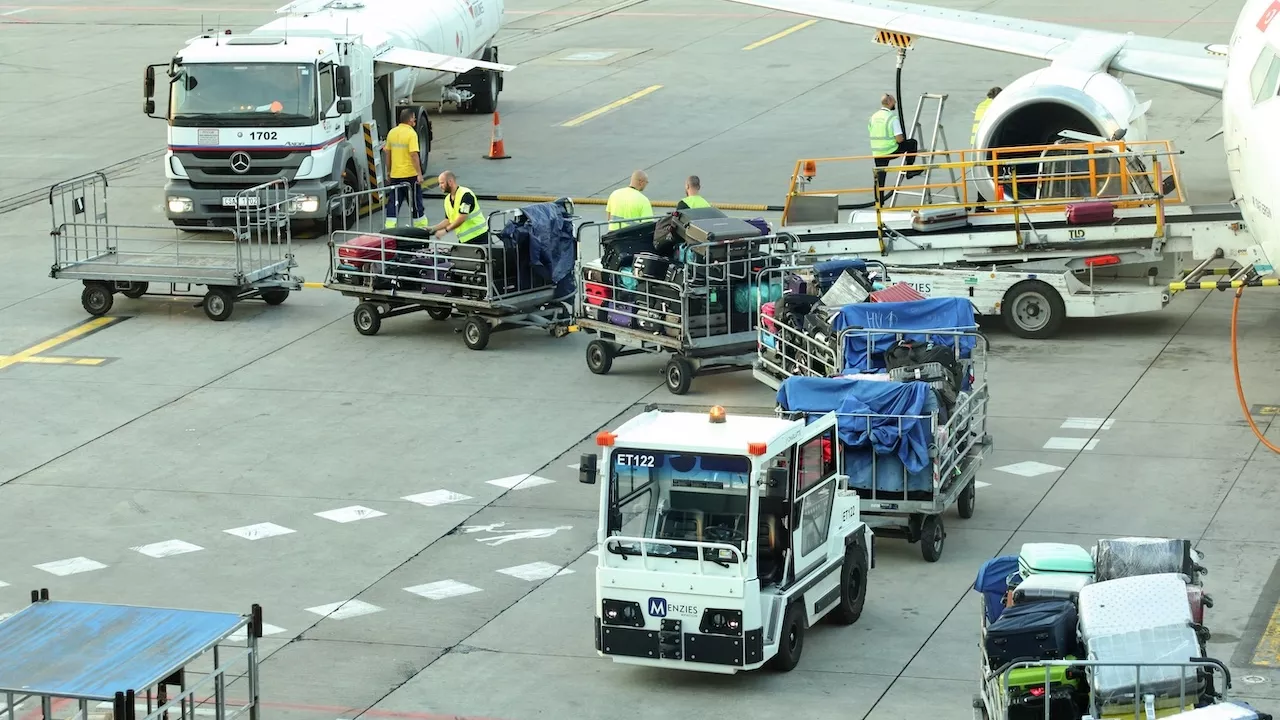
The first step in recovering missing belongings is identifying where they were last seen. Airlines, airports, ground handling companies and security contractors may operate separate lost-property procedures.
Items left onboard an aircraft are generally handled by the airline or its contracted ground handling provider. Cabin crew or aircraft cleaning teams may discover belongings during turnaround inspections, with recovered property transferred to a designated department.
Items found inside airport terminals, including departure lounges, restaurants and public areas, may instead fall under the airport operator’s lost-property arrangements.
Security checkpoints can have separate procedures, particularly for belongings left in screening trays. Passengers who believe they misplaced something during security screening should contact the airport and provide the approximate time and checkpoint location.
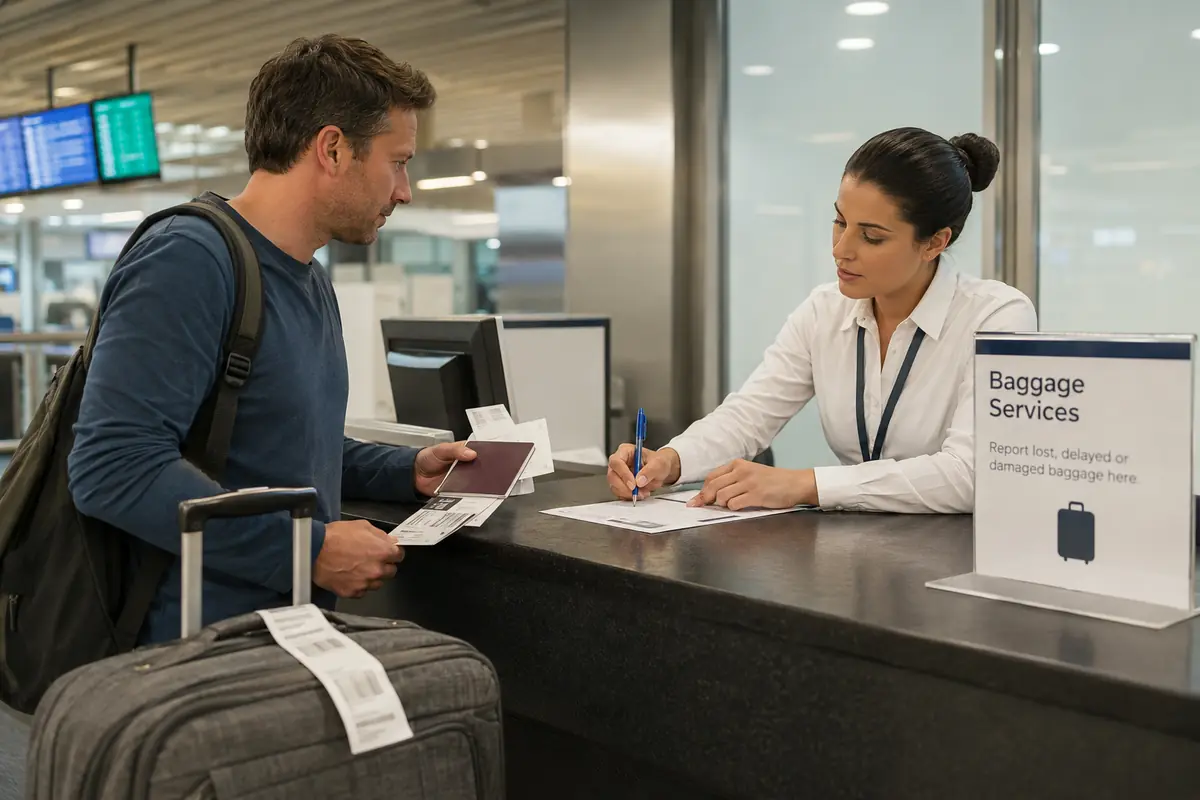
For checked baggage that fails to arrive at the destination, the process is different again. Passengers should normally report the missing bag to their airline or its baggage handling representative and obtain a Property Irregularity Report (PIR).
How Airlines Record and Store Lost Property
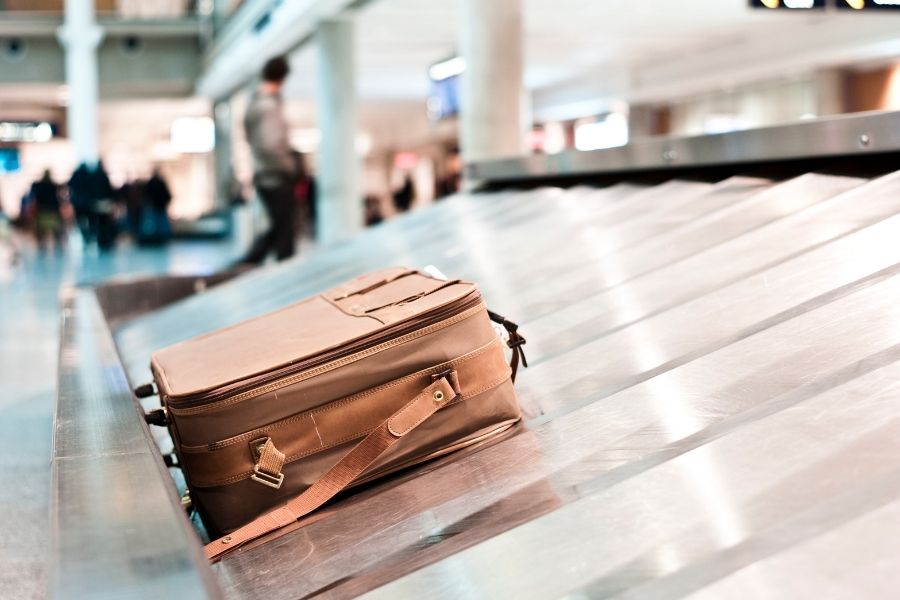
When an item is recovered onboard an aircraft, the handling process typically begins with a record of where and when it was found.
Airlines and their handling partners may document several details, including:
-
Flight number, date and aircraft registration, where available.
-
Seat number or cabin location where the item was discovered.
-
Description, colour, brand and condition of the property.
-
Name or identification of the employee receiving the item.
-
Storage location and any subsequent transfer between departments.
These records can help distinguish genuine ownership claims from inaccurate or fraudulent enquiries.
For example, a passenger reporting a missing pair of headphones may be asked to identify the model, case colour and flight details before the item is released.
Valuable belongings such as laptops, jewellery and mobile phones may be held in secure storage, with access restricted to authorised employees.
However, storage arrangements and retention periods vary between operators. Some airlines direct passengers to online lost-property forms, while others require contact with an airport’s designated handling agent.
Lost Mobile Phones Create Additional Security Risks
Mobile phones are among the more concerning belongings to lose while travelling. Beyond the cost of replacing the device, smartphones can provide access to banking applications, travel reservations, emails and other personal accounts.
A passenger who leaves a phone onboard an aircraft may not immediately realise it is missing, particularly when rushing through immigration or transferring to another flight.
While contacting the airline should be a priority, travellers should also consider protecting the information stored on their device.
For example, recovery instructions at The Pokies Net Casino can help explain account access, but the broader security principles apply to many online services. Active sessions may need to be closed, trusted devices removed and account access restored following identity verification.
Passengers can also use services such as Apple’s Find My or Google’s device-finding features to locate, lock or remotely erase compatible devices, depending on their settings and connectivity.
Recovering the physical handset does not necessarily restore access to every associated account, particularly if passwords or authentication settings have been changed.
How Do Airports Verify Ownership?
Airports and airlines must take reasonable precautions before releasing valuable property to someone claiming to be its owner. Simply identifying a missing item may not be sufficient, especially when its appearance is common or details have already been published online.
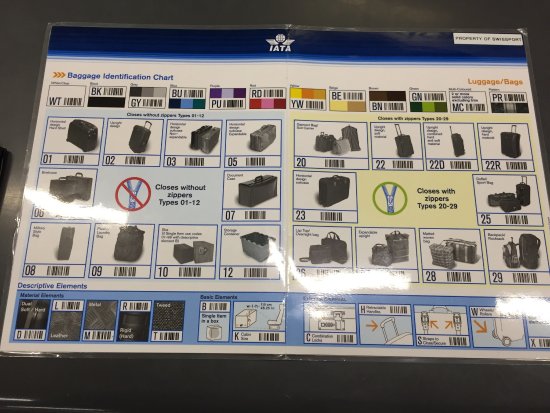
A passenger claiming a lost laptop might be asked to provide its serial number, distinguishing marks or proof of purchase. Someone recovering a mobile phone may be asked to unlock the device or describe its case and lock-screen image.
Flight information can also support verification. Boarding passes, booking references and seat assignments may help establish whether a claimant was travelling on the aircraft where the property was discovered.
Staff should avoid unnecessarily accessing personal messages, photographs or documents during the verification process.
Once ownership has been established, a collection or delivery record can document when the item was released and to whom.
What Happens When Passports and Travel Documents Are Lost?
Losing a passport at an airport can be considerably more disruptive than misplacing an ordinary personal item.
A passenger who discovers their passport is missing before departure may be unable to travel, even if they have already checked in and passed through security. Passengers should immediately notify the airline or relevant airport staff and retrace their movements through check-in, security and departure areas.
British travellers who cannot locate their passport should follow the UK government’s procedures for reporting a lost or stolen document. A passport reported lost or stolen and cancelled cannot subsequently be used for travel, even if it is recovered.
Travellers abroad may need to contact their nearest British embassy, high commission or consulate to discuss an emergency travel document, subject to eligibility and destination requirements.
Other documents, including residence permits, visas and national identity cards, may require separate replacement arrangements with the relevant issuing authority.
Airlines and airport operators may also treat recovered passports differently from ordinary lost property because of the potential for identity fraud.
Can Airlines Return Lost Items to Passengers?
Recovering an item does not always mean a passenger must return to the airport where it was lost. Some airlines and airport lost-property providers offer collection by an authorised representative or arrange delivery through courier services.
However, delivery options depend on the operator, destination and type of property involved. Administrative, packaging and shipping charges may apply.
Lithium-ion batteries can complicate the return of electronic devices, as shipping regulations may restrict how certain battery-powered items are transported. Passengers should check the operator’s instructions before arranging collection or delivery, rather than assuming a lost item can be posted internationally.
It is also important to distinguish between lost personal property and mishandled checked baggage. Airline obligations and potential compensation for delayed, lost or damaged checked baggage are governed by separate rules, including the Montreal Convention where applicable.
What Happens to Unclaimed Property?
Airports cannot retain every abandoned or unclaimed item indefinitely. Lost-property departments generally operate retention policies that determine how long different categories of belongings are stored.
Valuable electronics, jewellery and other identifiable property may be retained for a defined period, while perishable food, hazardous materials and certain low-value items may require faster disposal.
Where an owner cannot be identified or does not collect the property, its eventual treatment depends on applicable law and the operator’s policies.
Possible outcomes include disposal, donation, transfer to an appropriate authority or other authorised handling arrangements.
For passengers, this makes prompt reporting particularly important. The longer an item remains unclaimed, the greater the possibility that its retention period will expire.
How Passengers Can Improve Their Chances of Recovery
Although airlines and airports have established lost-property procedures, passengers can take several practical steps to improve their chances of recovering missing belongings.
Checking seat pockets, overhead lockers and the surrounding cabin before disembarking can prevent many incidents.
Keeping a record of electronic device serial numbers, using luggage identification tags and enabling device-location services can also help establish ownership.
If an item goes missing, passengers should contact the relevant airline or airport as soon as possible, providing their flight number, travel date, seat number and a detailed description.
Travellers should retain any lost-property reference number and follow the instructions provided by the organisation responsible for the item.
For airlines and airports, effective lost-property management is an important part of the passenger experience. Clear reporting channels, accurate records and secure handling procedures can make the difference between a permanently lost belonging and a successful reunion.
As international air travel continues to connect passengers across multiple airports, airlines and countries, knowing who to contact and acting quickly remain among the most effective ways to recover belongings left behind.