By using this site, you agree to the Privacy Policy and Terms of Use.
Accept
Travel Radar - Aviation NewsTravel Radar - Aviation News
  • Breaking News
  • Aviation
    • Aircraft
    • Airlines
    • Airshow & Events
    • Careers
    • Manufacturing
  • Travel
    • Airports
    • Points & Loyalty
    • Technology
    • Trip Reviews
  • Newsletters
  • Aircraft for Sale
Reading: The Hidden World of Animal Transport: How Animals Travel by Plane
Share
Sign In
Notification Show More
Font ResizerAa
Font ResizerAa
Travel Radar - Aviation NewsTravel Radar - Aviation News
  • Breaking News
  • Aviation
  • Travel
  • Newsletters
  • Aircraft for Sale
  • Breaking News
  • Aviation
    • Aircraft
    • Airlines
    • Airshow & Events
    • Careers
    • Manufacturing
  • Travel
    • Airports
    • Points & Loyalty
    • Technology
    • Trip Reviews
  • Newsletters
  • Aircraft for Sale
Signin Sign In
Follow US
Copyright © Travel Radar Media Ltd. 2025 | All Rights Reserved
Travel Radar - Aviation News > News > Travel > Did You Know > The Hidden World of Animal Transport: How Animals Travel by Plane
AviationDid You Know

The Hidden World of Animal Transport: How Animals Travel by Plane

Lauren James
Last updated: 27 February 2025 10:24
By Lauren James
6 Min Read
Share
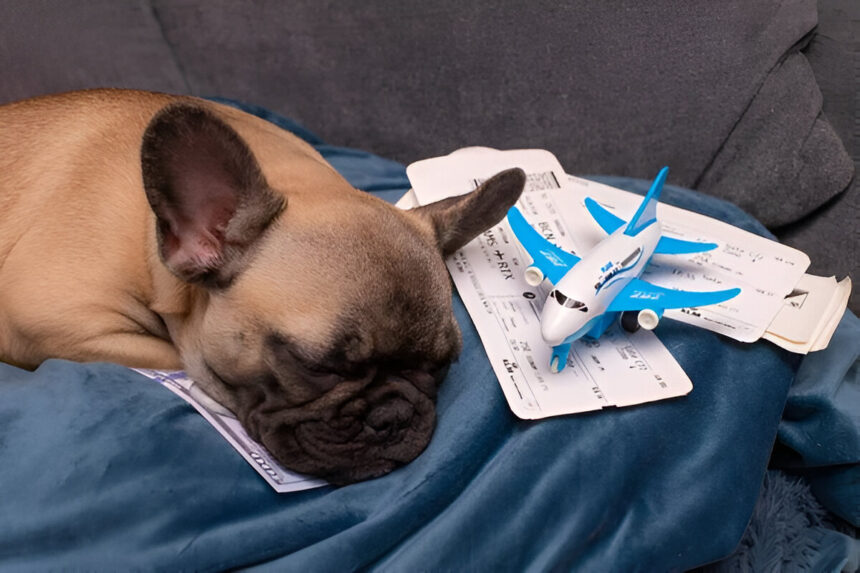
A French Bulldog rests on a blanket next to airline tickets and a toy plane
A French Bulldog rests on a blanket next to airline tickets and a toy plane © JuLady
SHARE

Most people know about flying with pets, but the world of airborne animal transport goes way beyond cats and dogs in the cabin. From racehorses on private jets, to endangered species being flown to conservation sites, animal passengers of all shapes and sizes are flown more often than you think.
Summary
Animal Passengers: Not Just PetsRacehorses on Private JetsFlying Pandas and Other Conservation MissionsThe Weirdest Animal TransportHow Animal Transport is GovernedThe Future of Animal Air Travel
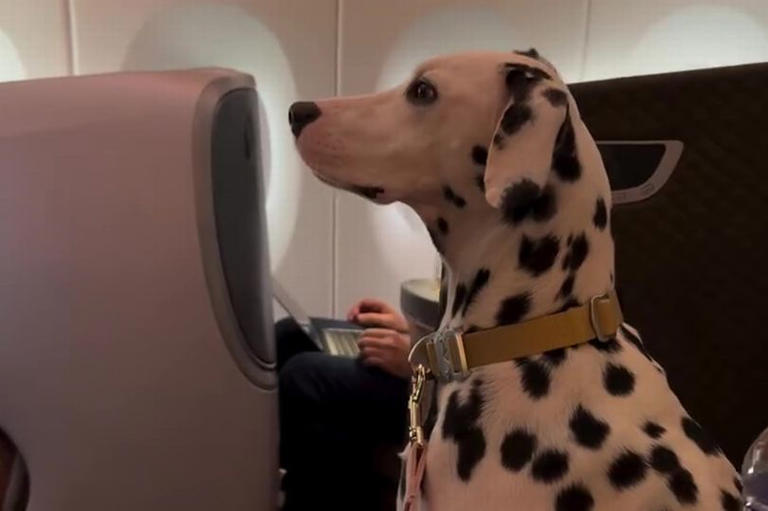
A Dalmatian dog sitting upright in a business class seat on a flight.
Spotty the Dalmatian enjoying a 6,000-mile business class flight from Zurich to Tokyo. © Jam Press/@spottytheswissdalmatian/Instagram

Animal Passengers: Not Just Pets

While many airlines have restrictions on pet travel, the aviation industry plays a big role in transporting animals for many reasons:

  • Livestock transport: Horses, cattle and even alpacas are flown all over the world for breeding and competition.
  • Wildlife conservation: Zoos and wildlife organisations transport endangered species to breeding programmes or new habitats.
  • Exotic pets and aquatics: Rare tropical fish to parrots, weird and wonderful creatures make long haul journeys.
  • Police and military animals: K9 units, sniffer dogs and even service monkeys fly on flights for their work.

Some aircraft are designed or modified to carry animal passengers, with temperature controls and special enclosures.
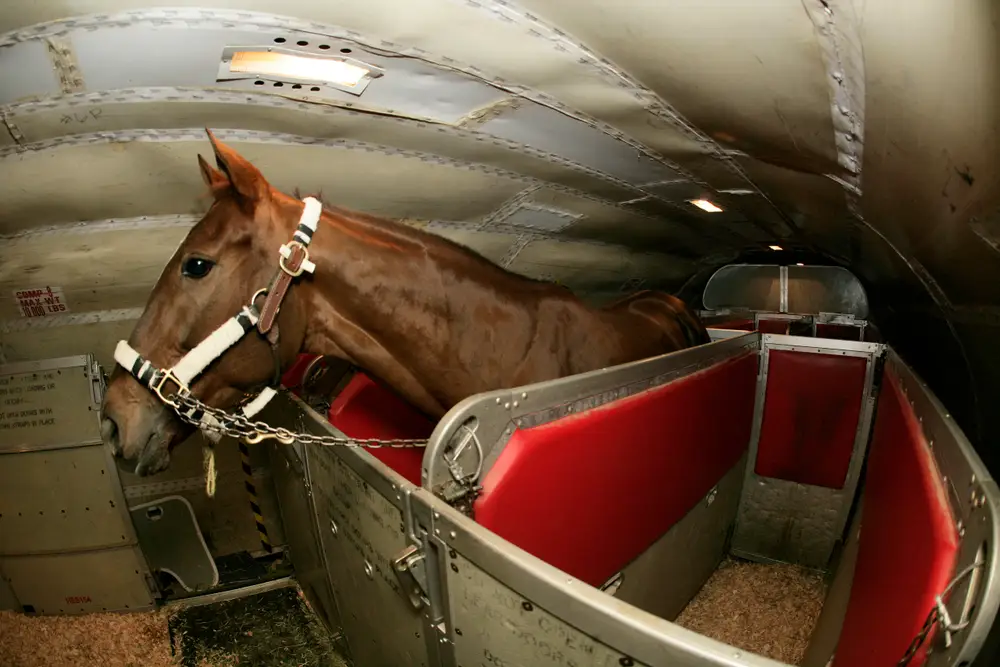
A horse secured in a padded stall inside a cargo plane for air transport.
A racehorse is securely transported in a specially designed stall inside a cargo plane. © H.E. Sutton Forwarding Co.

Racehorses on Private Jets

The most luxurious form of animal air travel is reserved for elite racehorses. Valued at millions of dollars, thoroughbreds fly in specially outfitted cargo planes, often in first class style. Companies like Emirates SkyCargo and FedEx Equine Express fly horses to major races around the world.

These flights are tailored to keep the horses calm, with dimmed lighting, temperature control and even in-flight attendants – known as ‘flying grooms’ – to look after them. In some cases, horses are given hay, water and even mild sedatives to ease the stress of travel.
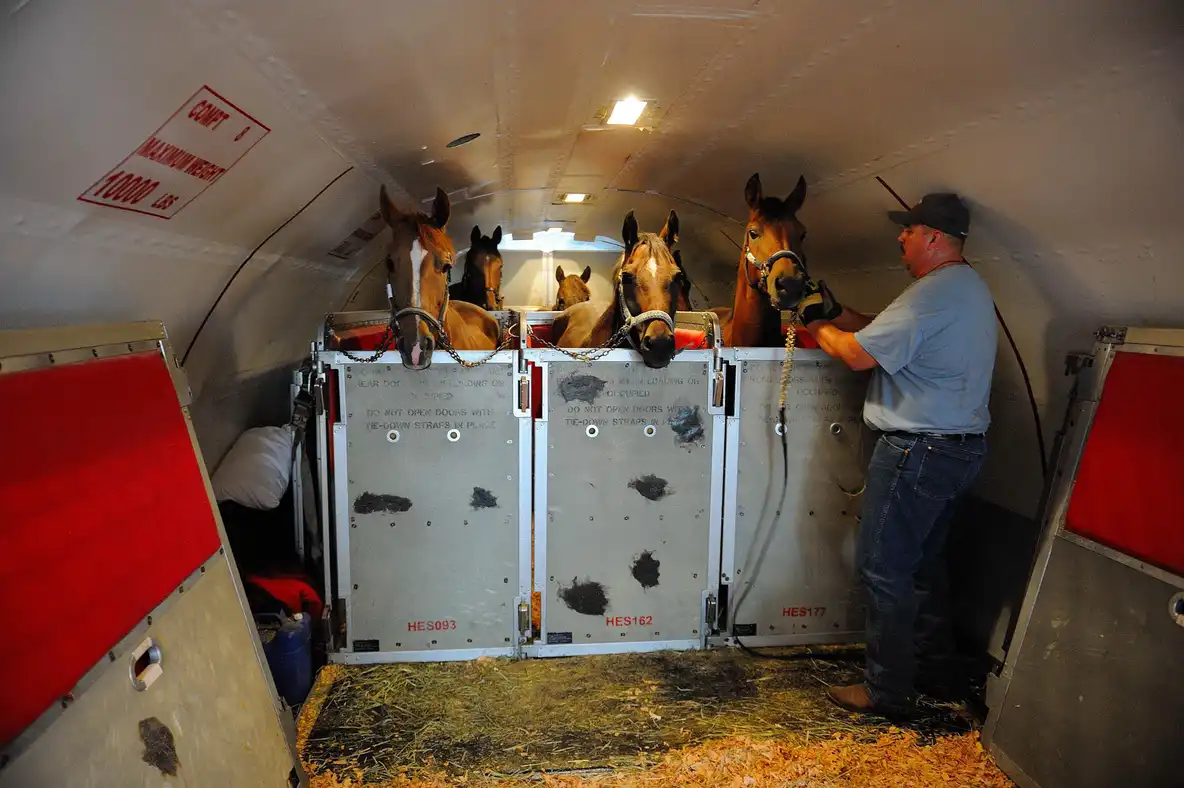
Horses being transported on a 727-200 aircraft equipped with stalls, known as "Air Horse One
Horses being transported on a 727-200 equipped with stalls, nicknamed “Air Horse One,” designed for equine air travel. © USA TODAY

Flying Pandas and Other Conservation Missions

Some of the most famous animal passengers in aviation history are giant pandas. China’s panda diplomacy programme sees these endangered bears flown to zoos around the world as part of conservation agreements. Airlines like FedEx and Air China Cargo have operated high-profile “panda flights” where pandas travel in custom built enclosures, often with a dedicated team of veterinarians and caretakers.

Beyond pandas, rhinos, tigers and even elephants have been flown to conservation sites, often as a last resort to save endangered species. A group of 30 rhinos were flown from South Africa to Rwanda to repopulate the area.
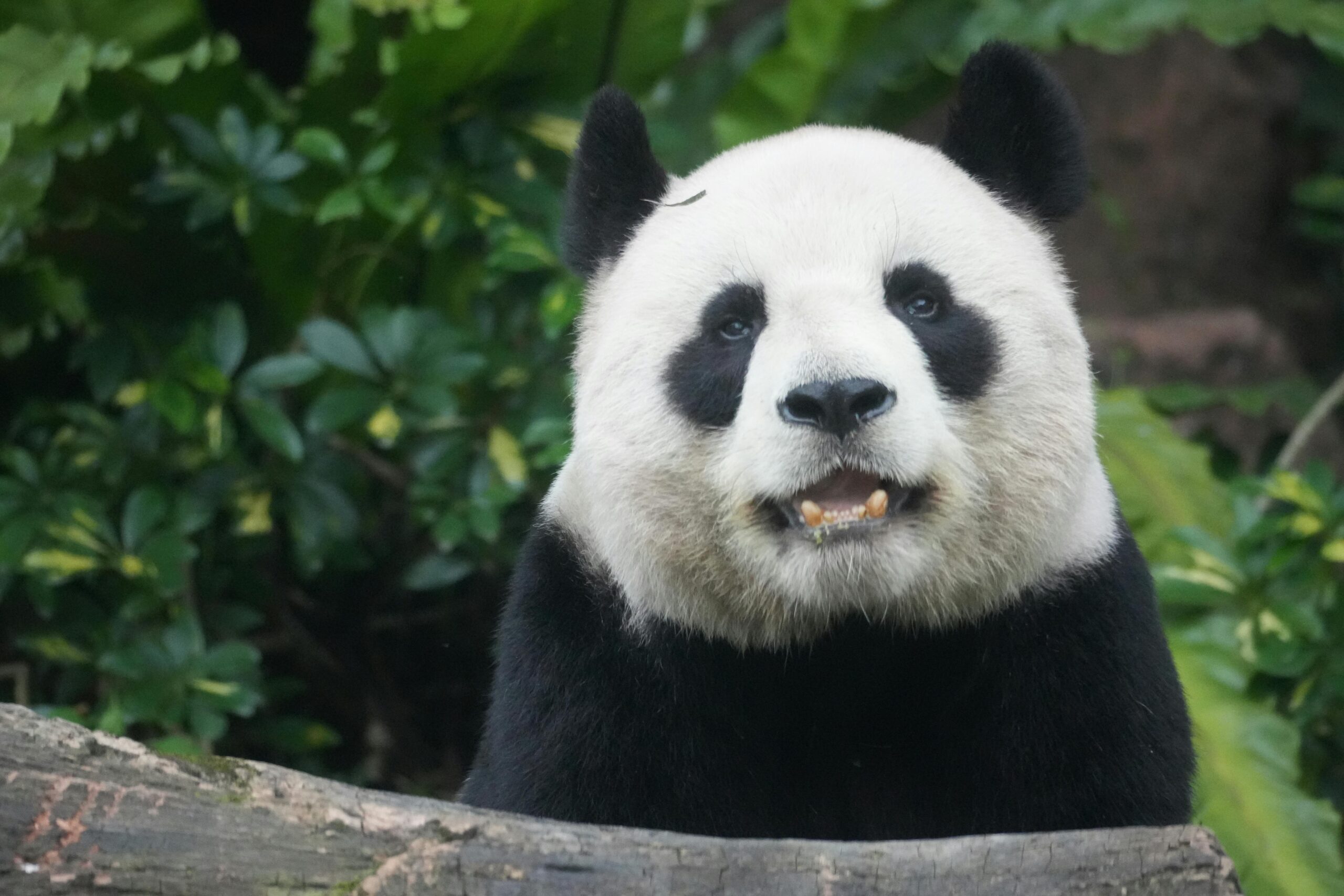
A panda in a conservation area.
A panda in a conservation area © Pandamemes Snow

The Weirdest Animal Transport

Over the years some bizarre animal air travel stories have emerged:

  • Bees in the cabin: Some flights have had to divert after bees escaped from the cargo hold.
  • A flying shark: A sand tiger shark was flown across the US in a custom built tank to be relocated to a new aquarium.
  • Reptiles on the loose: There have been several instances where snakes, lizards or even tarantulas have escaped mid-flight, causing panic among passengers.

These incidents highlight the challenges of animal transport and the strict protocols in place to ensure their safety – and human passengers.
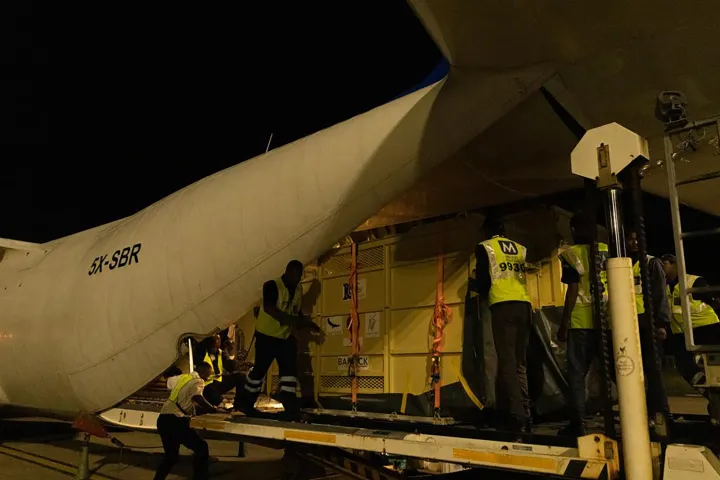
Rhino crates being loaded onto a plane at Durban’s King Shaka International Airport, South Africa.
Rhino crates being carefully loaded onto a plane at Durban’s King Shaka International Airport © Frank Weitzer

How Animal Transport is Governed

Because air travel can be stressful for animals, strict rules exist to ensure their welfare. Organisations like IATA (International Air Transport Association) enforce the Live Animals Regulations (LAR), a globally recognised standard for safely transporting animals by air. This includes:

  • Proper ventilation and temperature control in the cargo hold.
  • Secure enclosures to prevent injury or escape.
  • Species specific requirements, such as humidity levels for amphibians or oxygen supply for high altitude transport.

Some airlines have banned certain breeds of pets that are prone to respiratory issues, such as bulldogs and Persian cats, as they are more at-risk during flight.
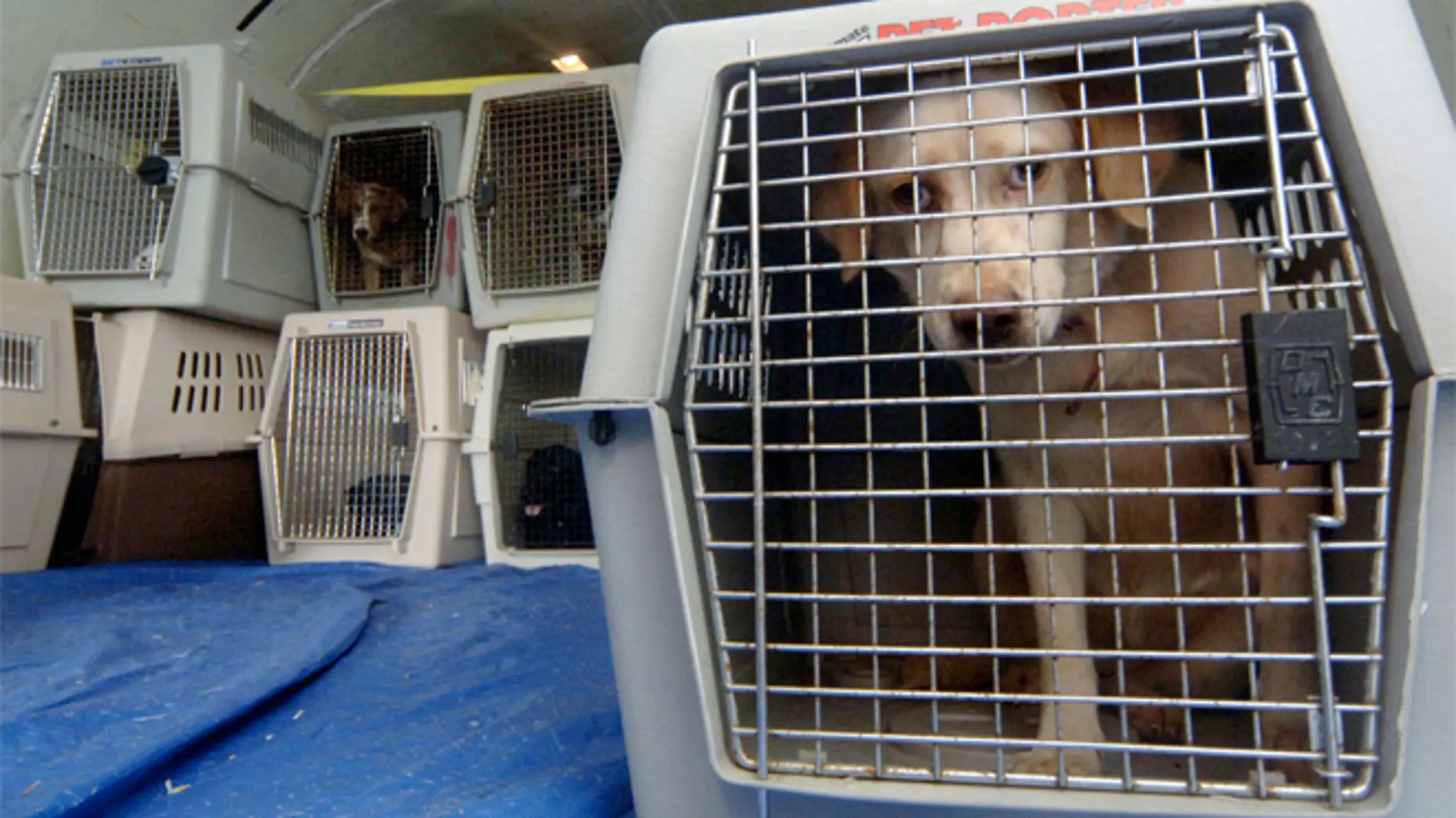
Dogs in travel crates stacked inside a cargo plane, prepared for air transport.
Dogs in travel crates being transported on a cargo plane. © Reuters

The Future of Animal Air Travel

As technology improves so does animal transport. Experts predict:

  • More specialised aircraft designed for safe and humane animal transport.
  • AI monitoring systems to track animal vital signs in real time.
  • Eco friendly biofuel options to reduce the carbon footprint of animal cargo flights.

With ongoing innovation, the aviation industry will continue to play a big role in wildlife conservation, agriculture and even luxury pet transport.

From thoroughbreds on private jets to endangered pandas in custom crates, animals fly more often than most people think. Would you ever consider flying with an exotic pet or do you think all animals should stay on the ground? Let us know in the comments!


You Might Also Like

Flights Cancelled from Toulouse Blagnac Airport Amid Strikes
Qantas Announces $10 Million in Regional Grants to Boost Community Initiatives in 2025
Air Canada Named Top Employer for Young People Second Year in a Row
Miles & More Members Can Now Join on ITA Airways Flights
Emirates Implements New Predictive Maintenance Solution
Share This Article
Facebook Twitter Email Copy Link
What’s your thoughts?
Love3
Sad0
Happy0
Angry0
Lauren James
ByLauren James
I’m a journalism intern at Travel Radar, passionate about writing engaging stories and learning more about the world of travel and aviation. With a background in charity fundraising, marketing, and communications, I’m experienced in creating content that connects with audiences.
Previous Article Emergency crews gather at the base of the toll road on Mount Equinox following a small plane crash. Small Plane Crashes on Mount Equinox, Three Injured
Next Article Pilot Development Program Horizon Air Pilot Training: First Commercial Pilot Program
Subscribe
Login
Notify of
guest

guest

0 Comments
Oldest
Newest Upvoted
Inline Feedbacks
View all comments

Stay Connected

FacebookLike
TwitterFollow
InstagramFollow
YoutubeSubscribe

Trending News

Qantas order 20 new A321XLR with 16 of them including lie-flat business seats
Qantas A220 Debuts on Brisbane–Wellington Route
Airlines Aviation Route Development
Singapore Airlines aircraft on runway
Singapore Airlines Returns to Riyadh Skies in 2026
Aircraft Airlines Aviation Route Development
An image of two aircraft tails that belong to SAS and TAROM
SAS and TAROM Expand Europe Connectivity
Airline Economics Airlines Aviation
A map of USA with sunglasses and a passport on top of it.
Gambling Regulations in Different Countries Travelers Should Know About
Aviation Travel Travel Radar
U.S. Coast Guard Petty Officer 2nd Class Lance Ide, left, and Petty Officer 3rd Class Corbin Singleton, boatswain’s mates at Station St. Inigoes, respond to the aircraft collision on the Potomac River, Washington, January 30, 2025. The Coast Guard responded to the incident with local, city, state and federal partners. (U.S. Coast Guard photo by Petty Officer 3rd Class Christopher Bokum)
FAA Chief Accepts Failures in Midair Collision that Killed 67
Aircraft Aviation Incidents & Accidents Travel

Travel Radar is the leading digital hub for all things aviation and air-travel. Discover our latest aviation news, aviation data, insight and analysis.


Discover

  • Latest News
  • Subscribe
  • Weekly Digest
  • Contact Us
  • Privacy Policy
  • About Us
  • Advertising
  • Media Coverage
  • Press & Events
  • Join Our Team
  • Our Brands

Signup to our Newsletter!

And get the latest aviation news via our weekly news digest!

© Travel Radar Media Ltd. 2015-2026 | ISSN #2635-0696 | Trademark #UK00003579704
wpDiscuz
adbanner
Welcome to the TR Community!

Sign in to your account

Not a member? Sign Up