By using this site, you agree to the Privacy Policy and Terms of Use.
Accept
Travel Radar - Aviation NewsTravel Radar - Aviation News
  • Breaking News
  • Aviation
    • Aircraft
    • Airlines
    • Airshow & Events
    • Careers
    • Manufacturing
  • Travel
    • Airports
    • Points & Loyalty
    • Technology
    • Trip Reviews
  • Newsletters
  • Aircraft for Sale
Reading: Geneva in Winter: How One Airport Absorbs the Alpine Ski Season
Share
Sign In
Notification Show More
Font ResizerAa
Font ResizerAa
Travel Radar - Aviation NewsTravel Radar - Aviation News
  • Breaking News
  • Aviation
  • Travel
  • Newsletters
  • Aircraft for Sale
  • Breaking News
  • Aviation
    • Aircraft
    • Airlines
    • Airshow & Events
    • Careers
    • Manufacturing
  • Travel
    • Airports
    • Points & Loyalty
    • Technology
    • Trip Reviews
  • Newsletters
  • Aircraft for Sale
Signin Sign In
Follow US
Copyright © Travel Radar Media Ltd. 2025 | All Rights Reserved
Travel Radar - Aviation News > News > Travel > Airports > Geneva in Winter: How One Airport Absorbs the Alpine Ski Season
AirportsTravel

Geneva in Winter: How One Airport Absorbs the Alpine Ski Season

Aurora Welch
Last updated: 20 September 2026 23:10
By Aurora Welch
5 Min Read
Share
Skiing
© Sauze d’Oulx
SHARE

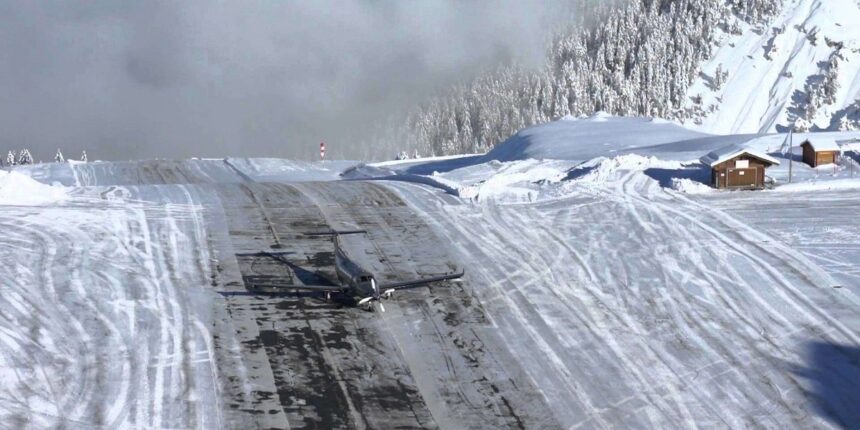
Most airports have a seasonal curve. Geneva has something closer to a weekly spike, repeated through the winter, driven almost entirely by skiing. For roughly four months the airport takes on a rhythm that has more in common with a ferry terminal than a typical European hub, and Saturday is the day everything happens at once.

Summary
The Saturday peakWhy the ground leg matters more hereDelay resilience is the real variableWhat experienced passengers do differentlyA hub defined by what surrounds it

The reason is straightforward. Alpine accommodation runs on a Saturday to Saturday changeover, so a large share of arriving passengers land inside the same few hours and immediately need to get somewhere else. The onward leg is part of the journey rather than an afterthought, which is why a ski transfer from Geneva to Val Thorens or any of the deeper Tarentaise resorts is best arranged before departure rather than on arrival.
skiing
© Wikimedia Commons

The Saturday peak

Winter Saturdays compress a week’s worth of leisure traffic into a morning. Additional services and seasonal routes appear from across the UK and northern Europe, load factors are high, and passengers arrive with oversized baggage that moves more slowly through the system than a normal summer mix.

The knock on effects are familiar to anyone who has done it:

  • Baggage reclaim slows noticeably when ski bags dominate the belts
  • Ground transport demand arrives in waves rather than steadily
  • Road congestion towards the Alpine valleys builds at the same hours
  • Delays propagate quickly because aircraft are turning tight schedules
  • Weather at the destination end can disrupt an otherwise clean operation

Why the ground leg matters more here

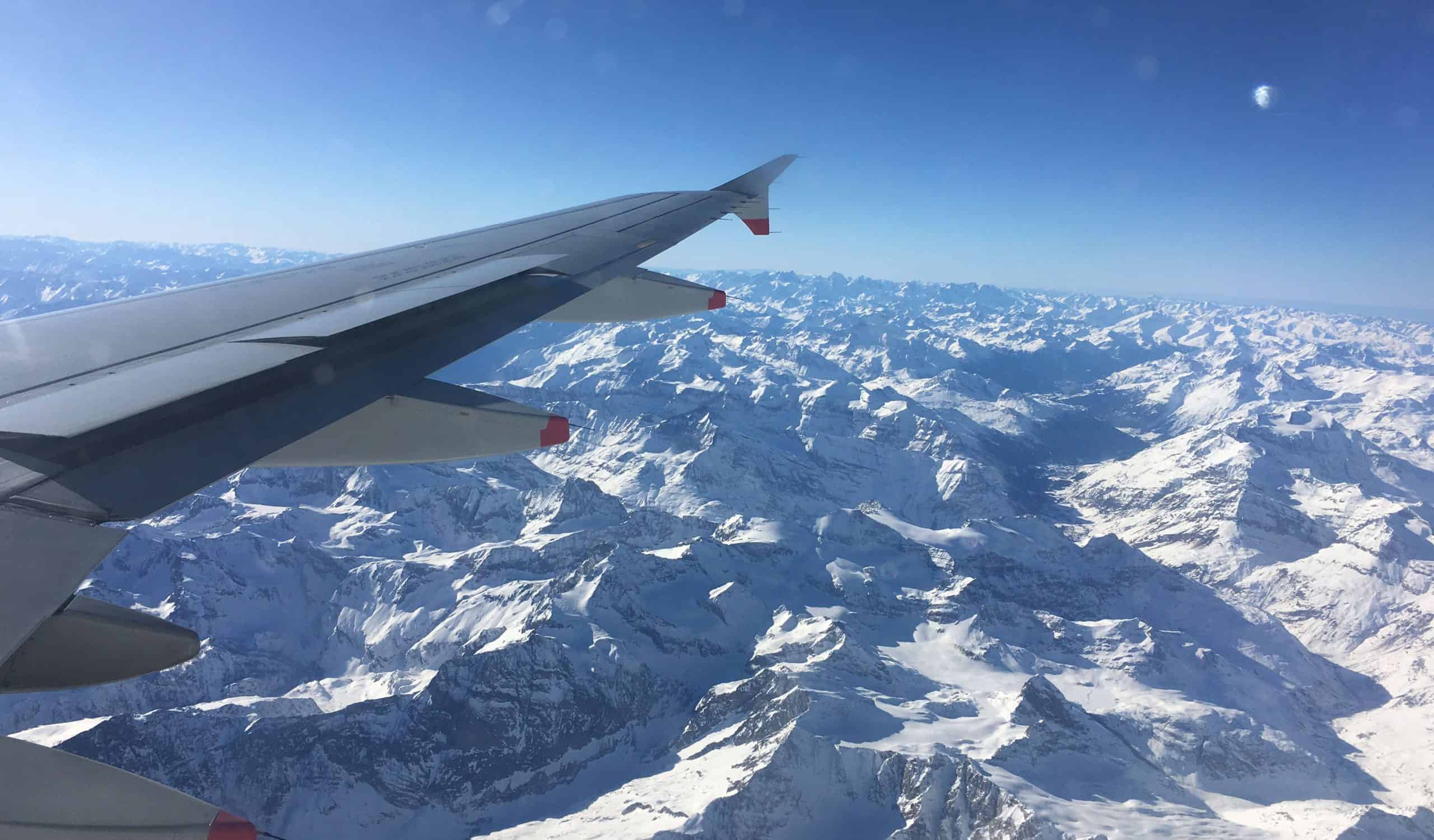
At most airports, landing is close to arriving. At Geneva it is the start of a second journey, and the distances are not trivial. Some resorts are reached quickly. Others, particularly the high Tarentaise ones, involve a couple of hours or more of valley roads that climb steadily and behave differently in snow.

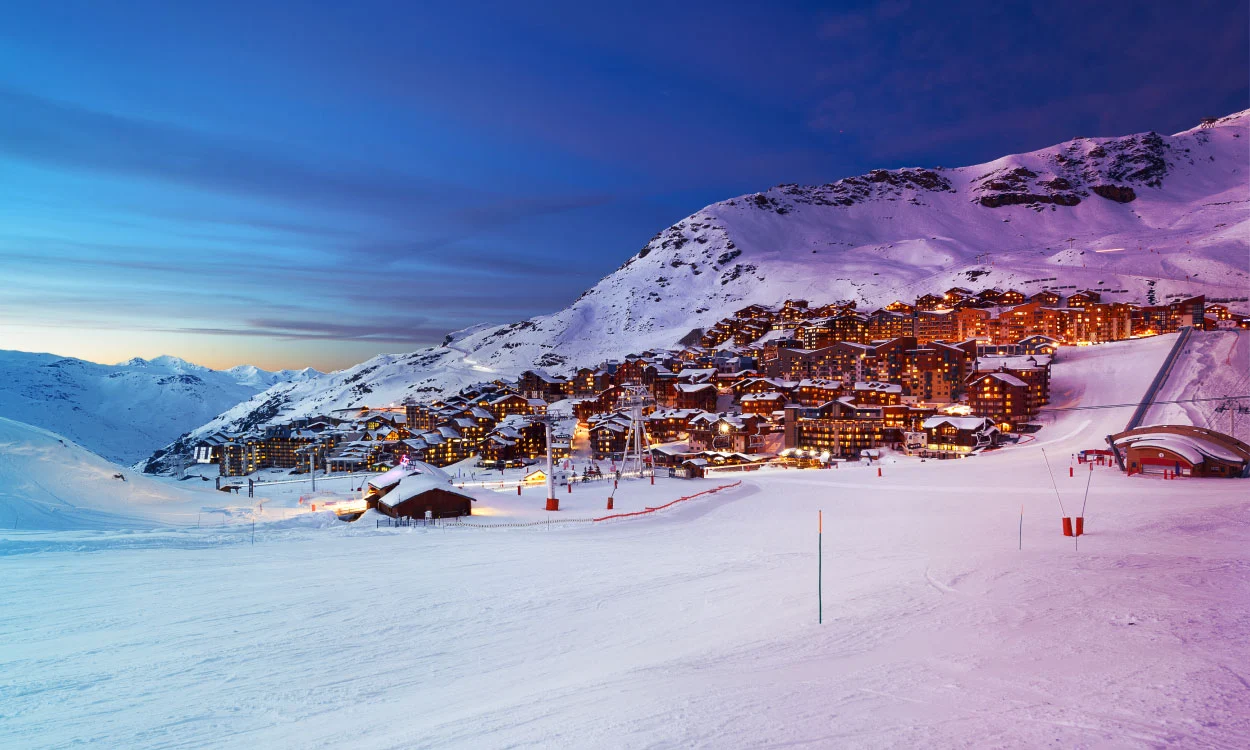
Val Thorens sits at the extreme end of that spectrum in both senses. It is the highest major resort in Europe, part of the vast Trois Vallees network, and the drive up is long enough that arrival time genuinely depends on when you land. That makes the coordination between flight and ground transport unusually consequential.

Delay resilience is the real variable

Winter operations produce delays. Snow clearance, de icing, slot pressure and weather at either end all contribute, and a schedule that works in October behaves differently in January.

For passengers, the practical consequence is that the onward arrangement needs to know the flight. A ground transport booking tied to a flight number absorbs a delayed landing. One booked as a fixed time slot does not, and the gap between those two experiences is the difference between a mild inconvenience and a stranded evening.
Val Thoren
© Simon Carrelli

What experienced passengers do differently

They avoid Saturday where they can, because Sunday and midweek traffic is measurably calmer at both the airport and on the roads. They keep boots in hand baggage, on the reasonable logic that skis can be hired at the destination and correctly fitted boots cannot be conjured at short notice. They allow for the onward journey when choosing a flight rather than treating the landing as the end of the trip.

None of that is sophisticated. It simply reflects an understanding that Geneva in winter is a transfer point rather than a destination, and the airport experience is only one part of a longer chain.

A hub defined by what surrounds it

Geneva is an interesting case precisely because its winter identity is imposed from outside. The mountains set the schedule, the Saturday changeover sets the peak, and the airport absorbs it. Understanding that pattern explains a great deal about why the passenger experience there differs so sharply between February and June.
You Might Also Like

Jaffrey Airport Plane Crash
Why Long-Haul Flights Cause Jet Lag and How to Minimise It
Get ready for SPOTLAX 2025: September dates announced
Planning to fly in the US during the Government shutdown? Here’s what you need to know beforehand
Why Don’t Airlines Offer Empty Higher Class Seats At A Discount?
Share This Article
Facebook Twitter Email Copy Link
What’s your thoughts?
Love0
Sad0
Happy0
Angry0
ByAurora Welch
Aviation Reporter - Aurora has over five year's experience contributing to the biggest media outlets including Forbes, CNN and CBS. Passionate for airline economics, airline safety and aerodrome regulations, Aurora contributes breaking news to the Travel Radar newsdesk, sharing her vast industry experience.
Previous Article Green Pokémon Jet design featuring Grass Pokémon ANA Launches Green Pokémon Jet in Three-Aircraft Series
Leave a Comment

Leave a Reply Cancel reply

Your email address will not be published. Required fields are marked *


Stay Connected

FacebookLike
TwitterFollow
InstagramFollow
YoutubeSubscribe

Trending News

Green Pokémon Jet design featuring Grass Pokémon
ANA Launches Green Pokémon Jet in Three-Aircraft Series
Aircraft Airlines
Image shows a Piper Cherokee 6 with yellow and white livery. It's parked on grass with a hill in the background.
Plane that disappeared 48 years ago may have been found
Aviation Incidents & Accidents
Photo shows Owain Davies
Swiss Alps Crash Kills Three People
Aviation Incidents & Accidents
The photo shows a Qantas aircraft mid-flight, with a blue sky as the background.
Qantas Ground Workers Set to Strike Over Working Conditions
Airlines Aviation Travel
A white and blue Boeing 737 MAX jet flying over a layer of cloud.
Boeing Unable to Stabilise 737 MAX Production
Aircraft Aviation Manufacturing

Travel Radar is the leading digital hub for all things aviation and air-travel. Discover our latest aviation news, aviation data, insight and analysis.


Discover

  • Latest News
  • Subscribe
  • Weekly Digest
  • Contact Us
  • Privacy Policy
  • About Us
  • Advertising
  • Media Coverage
  • Press & Events
  • Join Our Team
  • Our Brands

Signup to our Newsletter!

And get the latest aviation news via our weekly news digest!

© Travel Radar Media Ltd. 2015-2026 | ISSN #2635-0696 | Trademark #UK00003579704
adbanner
Welcome to the TR Community!

Sign in to your account

Not a member? Sign Up