
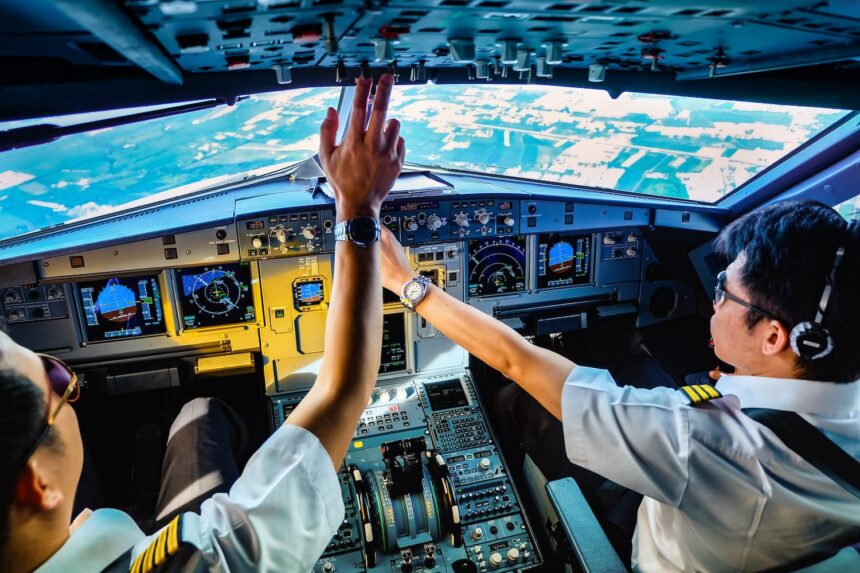
Almost a quarter of European airline pilots have reported flying while fatigued, according to a survey of 7,200 captains and first officers across 32 countries by the European Cockpit Association (ECA). Pilots working for airlines in Ireland and Malta reported the highest fatigue levels.
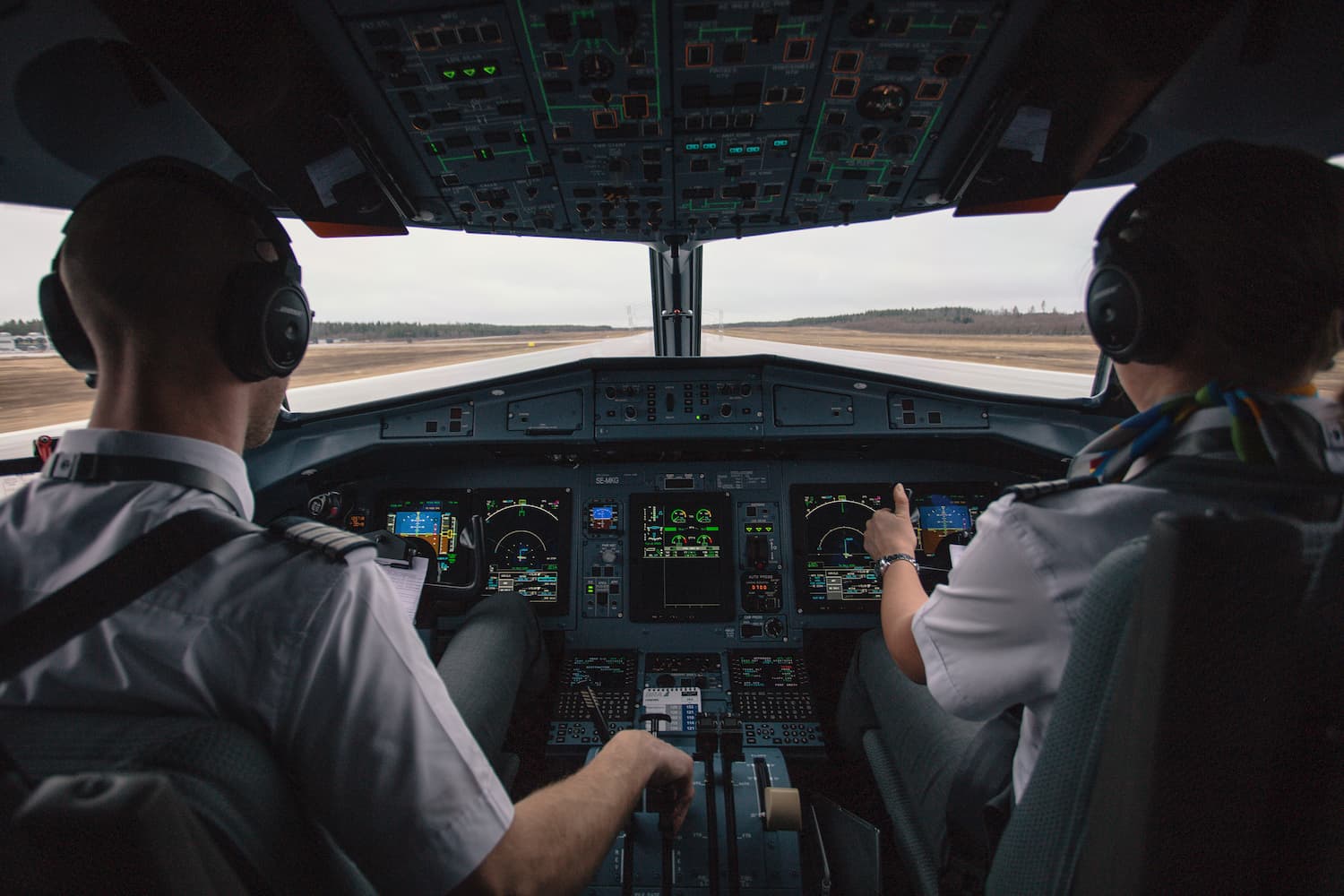
Pilots are experiencing “microsleeps”
The research found 76.8% of pilots had experienced at least one “microsleep” while operating an aircraft in the previous four weeks. A microsleep is an involuntary, temporary episode of sleep or drowsiness, typically lasting 15 seconds or less, during which a person’s brain doesn’t process external information normally.
Airlines are required to have systems in place to manage, monitor and identify crew fatigue. Nearly a quarter of pilots did not report fatigue and continued flying, and almost half of respondents said they feared negative consequences for reporting it. In recent years, some airline unions have asked for fatigue to be addressed.
The highest proportion of pilots who continued to fly while fatigued was in France, Spain, and Ireland. Two in five pilots working for airlines in Spain reported they usually fly while fatigued, compared to only one in 10 in the UK.
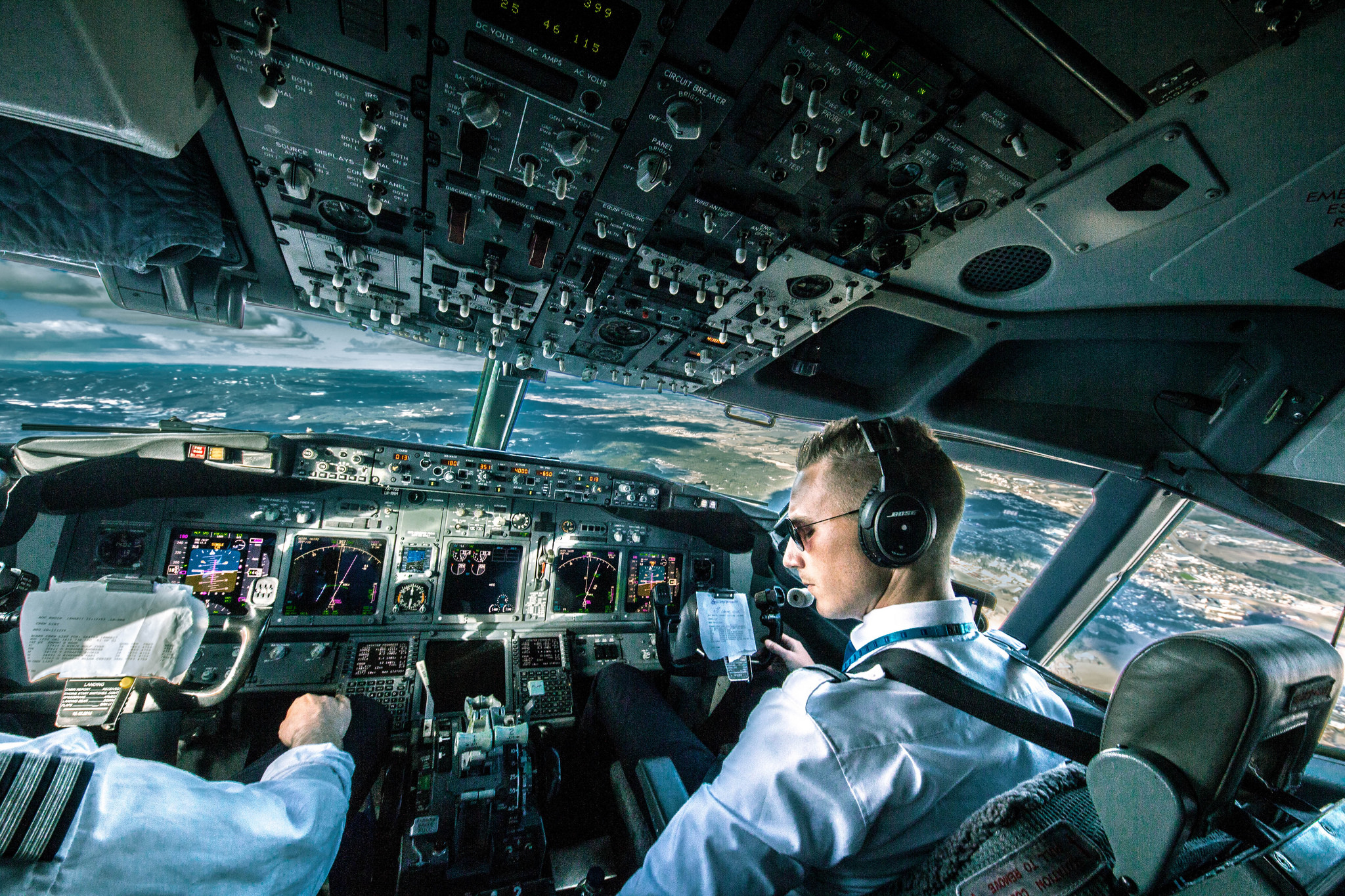
No significant improvements made, says ECA
Pilots are very susceptible to fatigue due to time zone changes, long working hours, irregular schedules and cognitive strain. This can pose significant safety risks, as inadequate rest can slow reaction times and impair judgement.
The ECA said no significant improvements have been made in monitoring pilot fatigue since its last survey in 2023. The previous survey found structural shortcomings in how airlines managed fatigue.
ECA Board Director Coen George said in a statement:
“When pilots fear career consequences, fatigue goes unreported and the risk returns to the cockpit. Airlines and authorities must ensure genuinely non-punitive reporting and use of Commander’s Discretion”
ECA’s president Tanja Harter also said:
“If we are serious about managing the safety risks related to pilot fatigue, the numbers we see in this report – and the lack of any meaningful improvement over the past three years – are a clear wake-up call for airlines, authorities and the European Union Aviation Safety Agency (EASA) that something must change in the way Europe deals with pilot fatigue”
Concerns were also raised about the use of “Commander’s discretion”, which allows pilots to extend their flying time in exceptional circumstances, like severe weather or air traffic delays, even after they’ve hit their limit. 38.3% of pilots used it at least once in the previous four weeks, and 15.2% used it twice or more.
The ECA is calling for stronger fatigue risk management, effective reporting systems and protections for pilots who report fatigue.
How do you think airlines should be handling this? Share your thoughts in the comments.