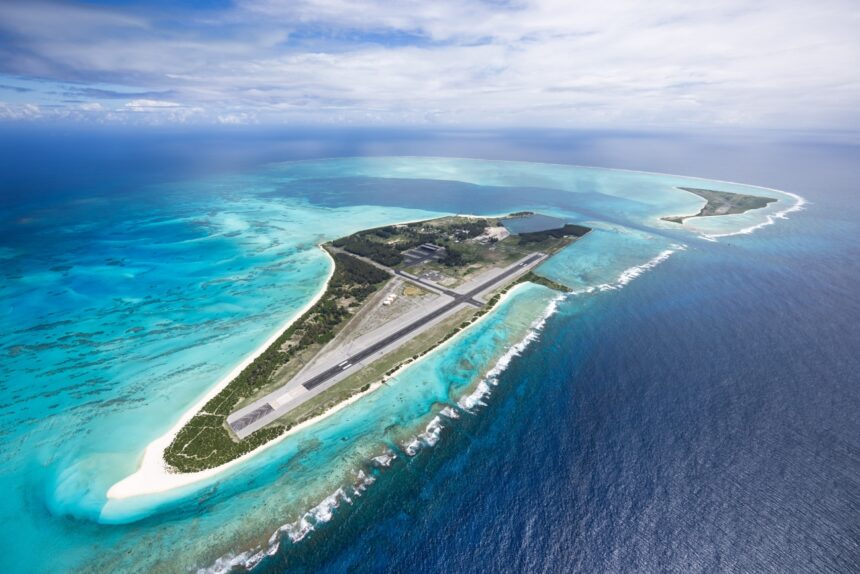
A remote airfield in the middle of the Pacific Ocean could play an important role in future long-haul aviation, despite having no scheduled commercial passenger service. Airlines and aviation industry groups are urging U.S. authorities to preserve Henderson Field (MDY) on Midway Atoll, which serves as an emergency diversion option for aircraft crossing the Pacific and could become increasingly important as airlines expand ultra-long-haul operations.
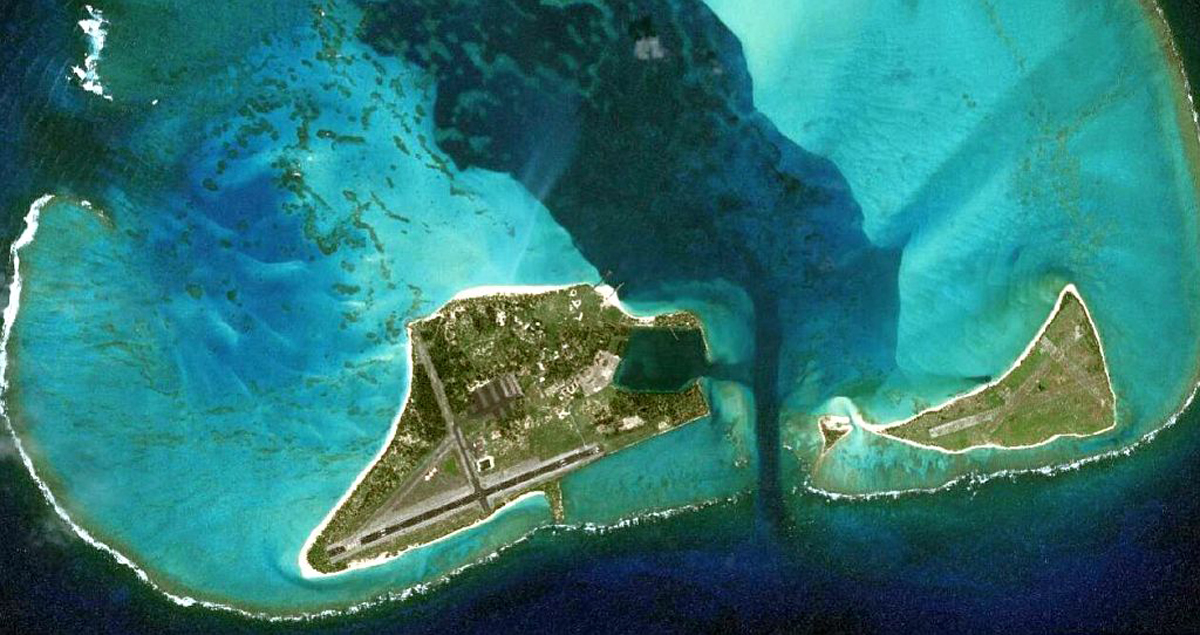
An Airport Built for Emergency
Henderson Field (MDY) is located on Midway Atoll, more than 1,000 miles northwest of Hawaii. While passengers cannot book a flight to the airport as part of a regular commercial schedule, its runway provides a potential landing location for aircraft operating thousands of miles from other airports.
The airport’s 7,800-foot runway can accommodate large aircraft and is included in emergency planning for some trans-Pacific routes. Under Extended-range Twin-engine Operational Performance Standards (ETOPS) airlines that operate twin-engine aircrafts over remote areas must plan their routes around suitable airports where they can divert if an emergency occurs.
The Airline Dispatchers Federation (ADF) has said Henderson Field (MDY) is considered an alternate airport for tens of thousands of trans-Pacific flights each year. The organization is now asking the Federal Aviation Administration (FAA) to preserve the facility’s ability to support these operations.
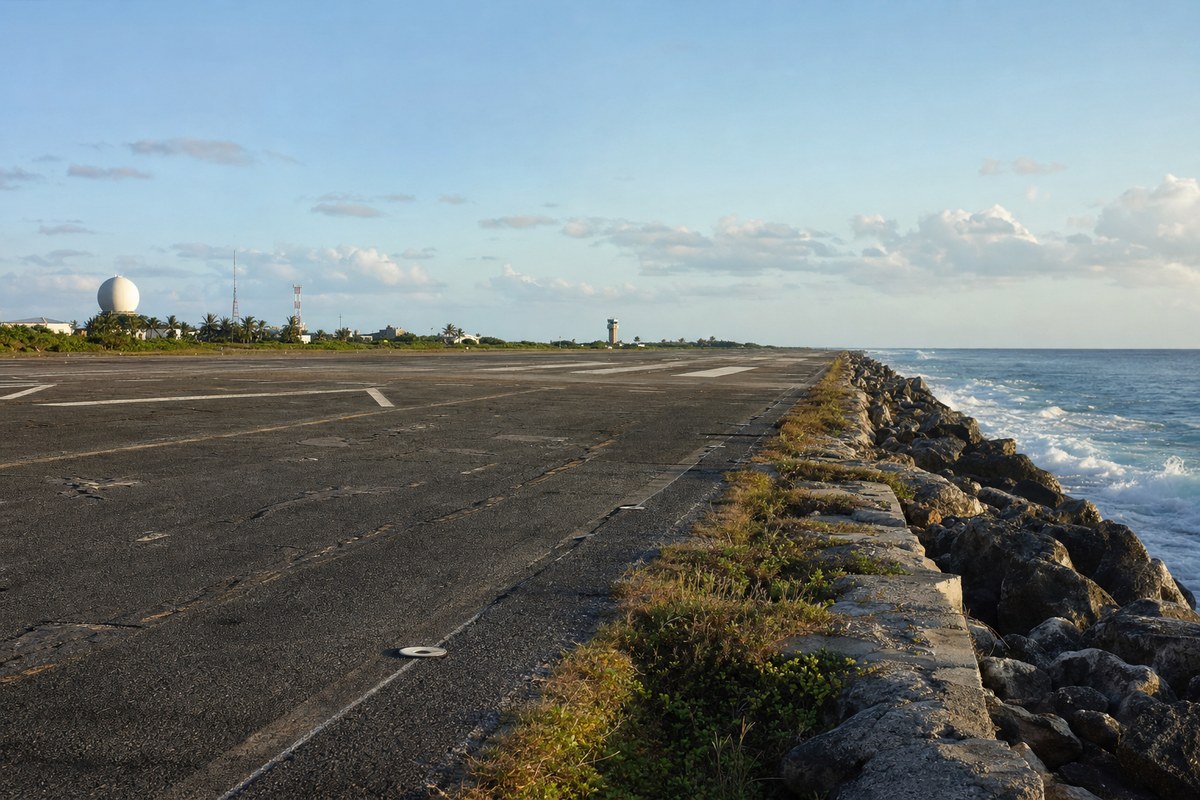
Aging Infrastructure Raises Concerns
The future of the airfield has become an issue as its infrastructure continues to deteriorate. FAA documents indicate that significant runway rehabilitation will eventually be required, with the cost expected to exceed $100 million.
The ADF submitted comments to the FAA on Sept. 21 supporting the continued availability of Henderson Field (MDY) as a Pacific ETOS alternate. The organization has warned that removing the airport could create a significant gap in diversion coverage for aircraft flying across the region.
The airport has already been used during emergencies. According to the federation, at least 11 commercial and military aircraft diverted to Midway between 2003 and 2021, including several commercial airline flights.
For airlines, the value of Henderson Field (MDY) is therefore less about the number of passengers it serves and more about the additional safety margin it provides to aircraft flying far from major airports.
Could It Affect Future Long-Haul Routes?
The debate comes as airlines continue developing longer routes that spend significant amounts of time over remote areas of the Pacific.
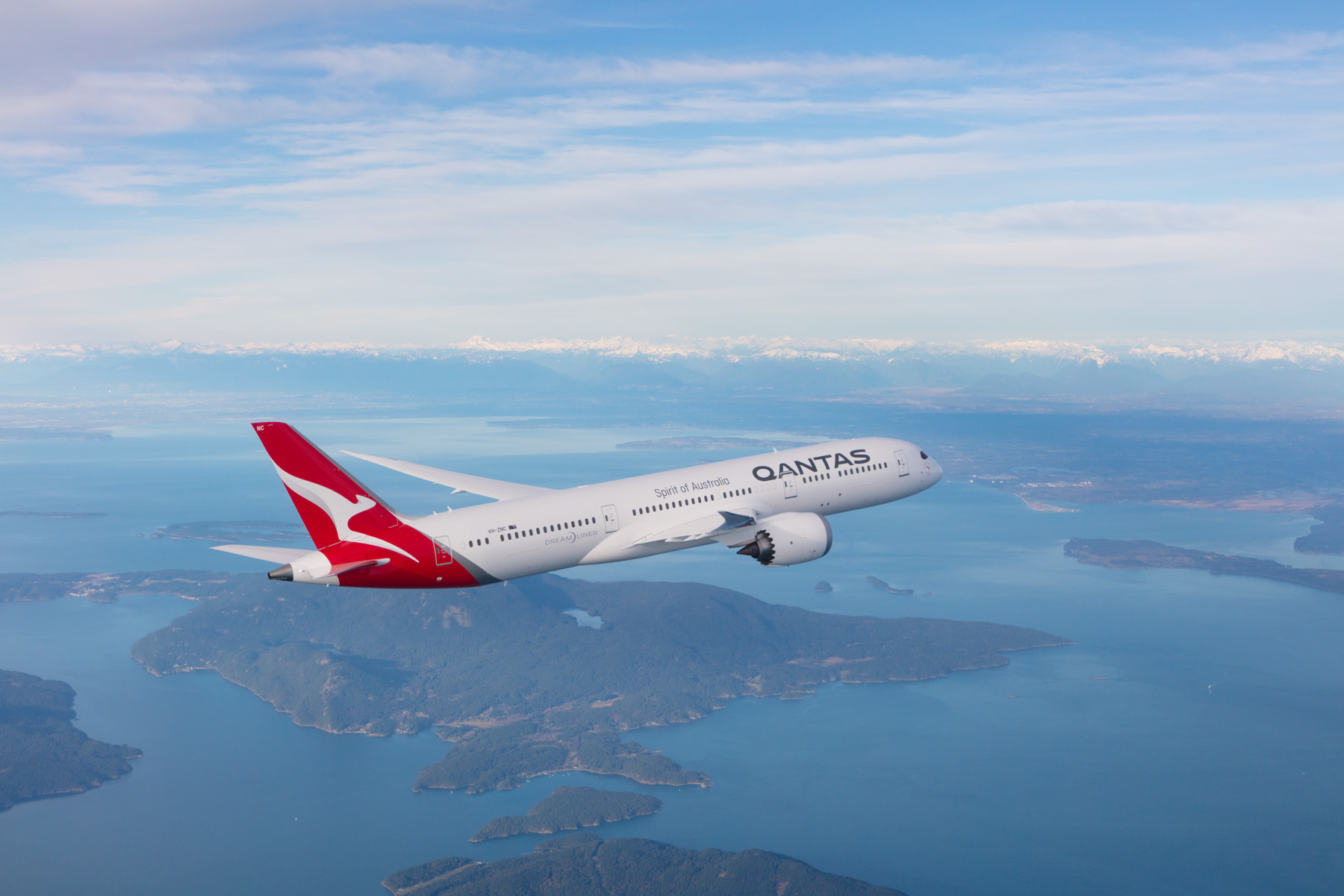
Qantas’ planned Project Sunrise services are among the operations that could be affected by changes to available diversion airports. The Australian carrier is preparing for nonstop flights connecting Sydney with destinations including London and New York, routes that will require careful planning for potential diversions during the long journeys.
Losing Henderson Field (MDY) would not necessarily prevent airlines from operating such flights, but it could change the routes available to them or require other airports and operational procedures to be considered.
For most travelers, an airport without scheduled flight may seem insignificant. For airlines flying across one of the world’s largest and most remote oceans, however, having a usable runways in the right location can be an important part of the journey.
The FAA has not yet made a final decision on the future of Henderson Field.
Follow Travel Radar for the latest developments in aviation, airlines, and airports around the world.