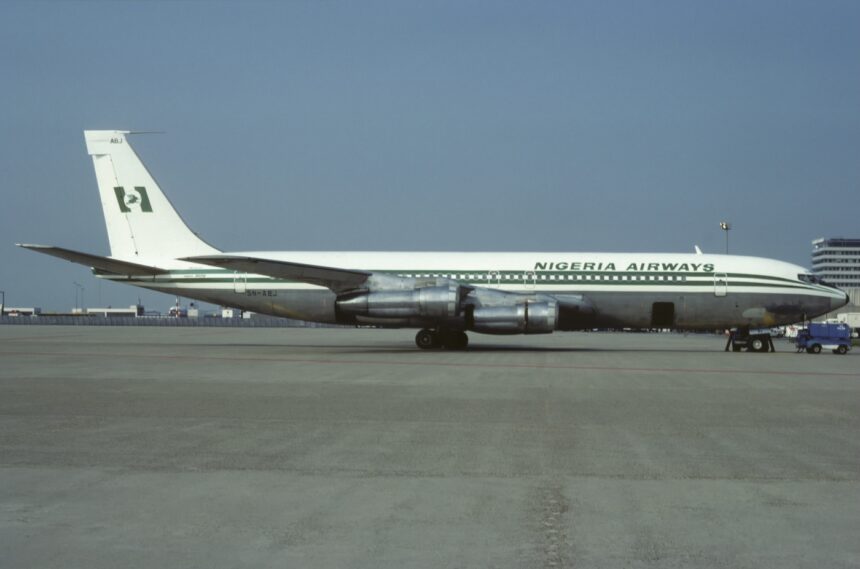
A majority of the former workers of the defunct Nigeria Airways have been granted their severance payments this week. The airline was formally dissolved in 2004, with former employees having campaigned for the payments for 22 years. According to Nigeria’s Federal Ministry of Finance, 2,100 former workers have already been paid, and a further 600 will receive what they are owed within days.
What Has Been Announced?
The Federal Ministry of Finance has announced that payments totalling NGN18 billion ($13.5 million) will be paid to 2,700 former Nigeria Airways employees.
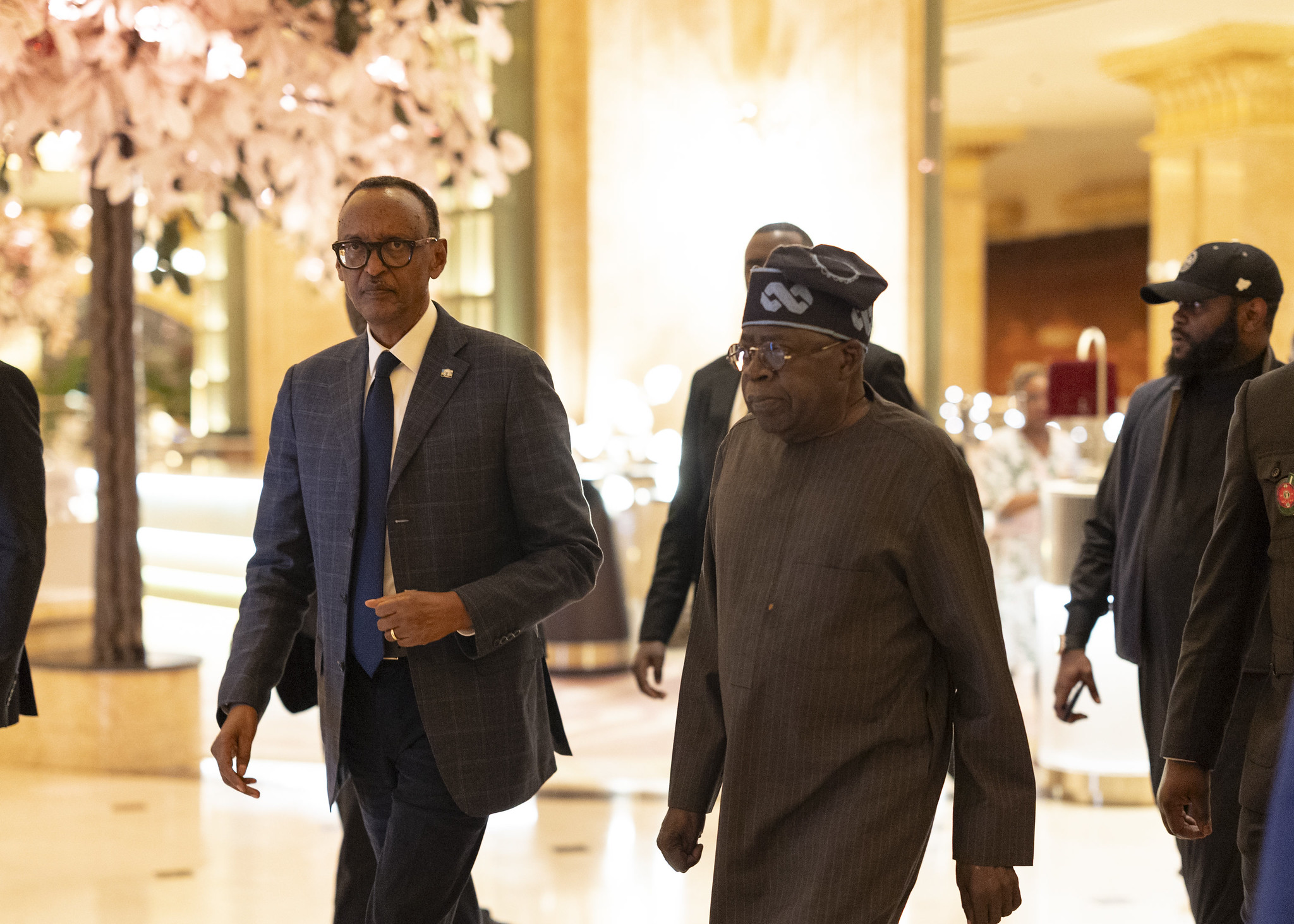
The payments were formally approved earlier this week by President Bola Ahmed Tinubu, and will be distributed by the finance ministry.
Finance minister Taiwo Oyedele has said that,
“Behind these figures are people and families who have waited years to receive what is legitimately owed to them. Our responsibility is to confront outstanding obligations, complete the necessary processes and, once the resources are secured, ensure that the people affected feel the impact of government positively.”
The ministry’s program to identify the people entitled to receive these payments is ongoing, with more former employees expected to be identified next month.
Why Did Nigeria Airways Collapse?
The airline was founded as West African Airways Corporation Nigeria in 1958, following the dissolution of the multinational West African Airways Corporation.
It became Nigeria’s flag carrier following a complete takeover by the federal government in 1961, and was renamed Nigeria Airways ten years later.
Despite becoming one of Africa’s largest airlines in the early 1980s, Nigeria Airways was suspended from the clearing house by the International Air Transport Association (IATA) in 1987.
This prevented Nigeria Airways from selling tickets on other airlines’ flights, or selling seats on its own flights through other airlines.
IATA made the decision due to the airline’s growing debts, and allegations of corruption surrounding both the airline’s leadership, and the Nigerian federal government.
Nigeria Airways formally in 2003, with outstanding debts of $528 million, and was liquidated the following year.
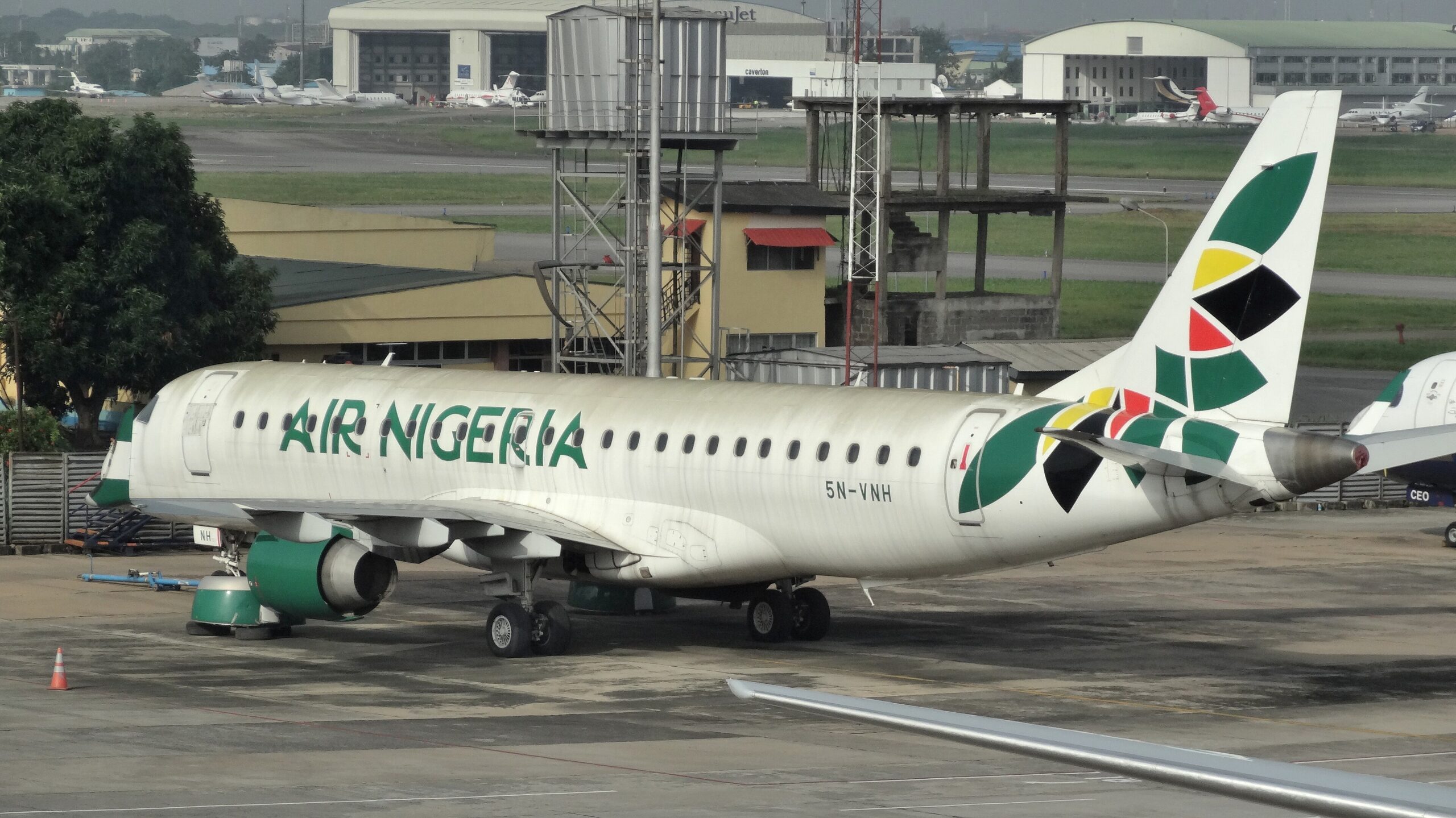
The airline was replaced as Nigeria’s flag carrier in 2005 by Virgin Nigeria Airlines, which was renamed Nigerian Eagle Airlines in 2009, and Air Nigeria in 2010, before ceasing operations in 2012.
Why Have the Severance Payments Taken So Long?
This latest announcement may mark the end of a 22 year long campaign by Nigeria Airways’ former workforce to claim the money they believe they are entitled to.
A series of pension payments were delivered to the former workers in 2008, by former President Umaru Musa Yar’Adua in 2008. These did not however include the outstanding payments on the workers’ contracts, at the time of liquidation.
Further payments were agreed by President Muhammadu Buhari in 2018, equal to roughly half the value of what the former workers’ campaign groups believed they were owed.
The Nigerian National Assembly’s Joint Committee on Aviation agreed in January 2025 however, that the federal government owed the former workers NGN36 billion, half of which had been paid under the Buhari government.
Spokesperson for the former workers, Sheri Kyari, has been frustrated by the delay in implementing these findings.
Kyari said in March 2026 that,
“Across Nigeria, elderly former workers are dying in penury, unable to afford food, shelter, medication, and other basic necessities of life”.
Spokespeople for the former workers have not confirmed how many have currently received their severance payments.
Did you ever fly on Nigeria Airways? Why do you think the severance payments have taken so long? Let us know in the comments.