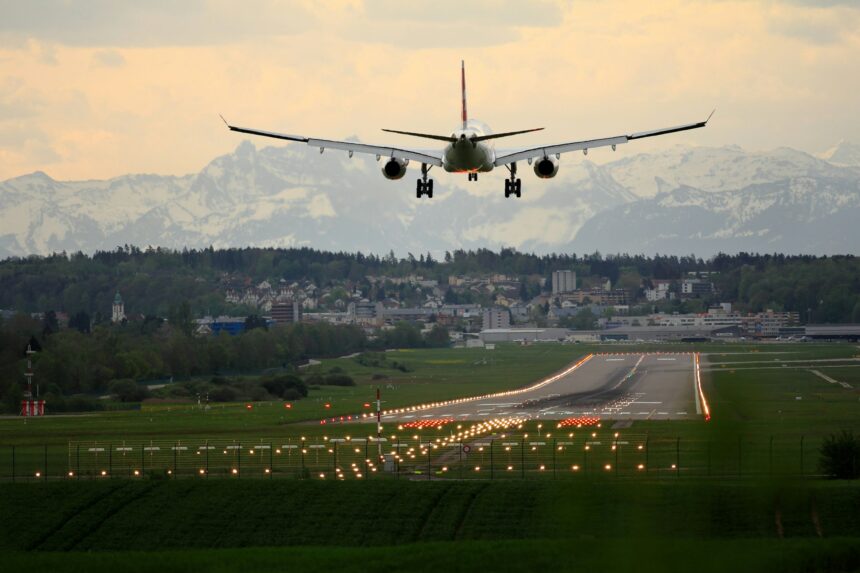
Campaign to Protect Rural England (CPRE) Sussex have raised concerns about proposed reforms that have been put forward as part of the Civil Aviation Bill. The organisation joins numerous others in warning of the impact the reforms could have on communities local to significant aviation hubs.
No Voice
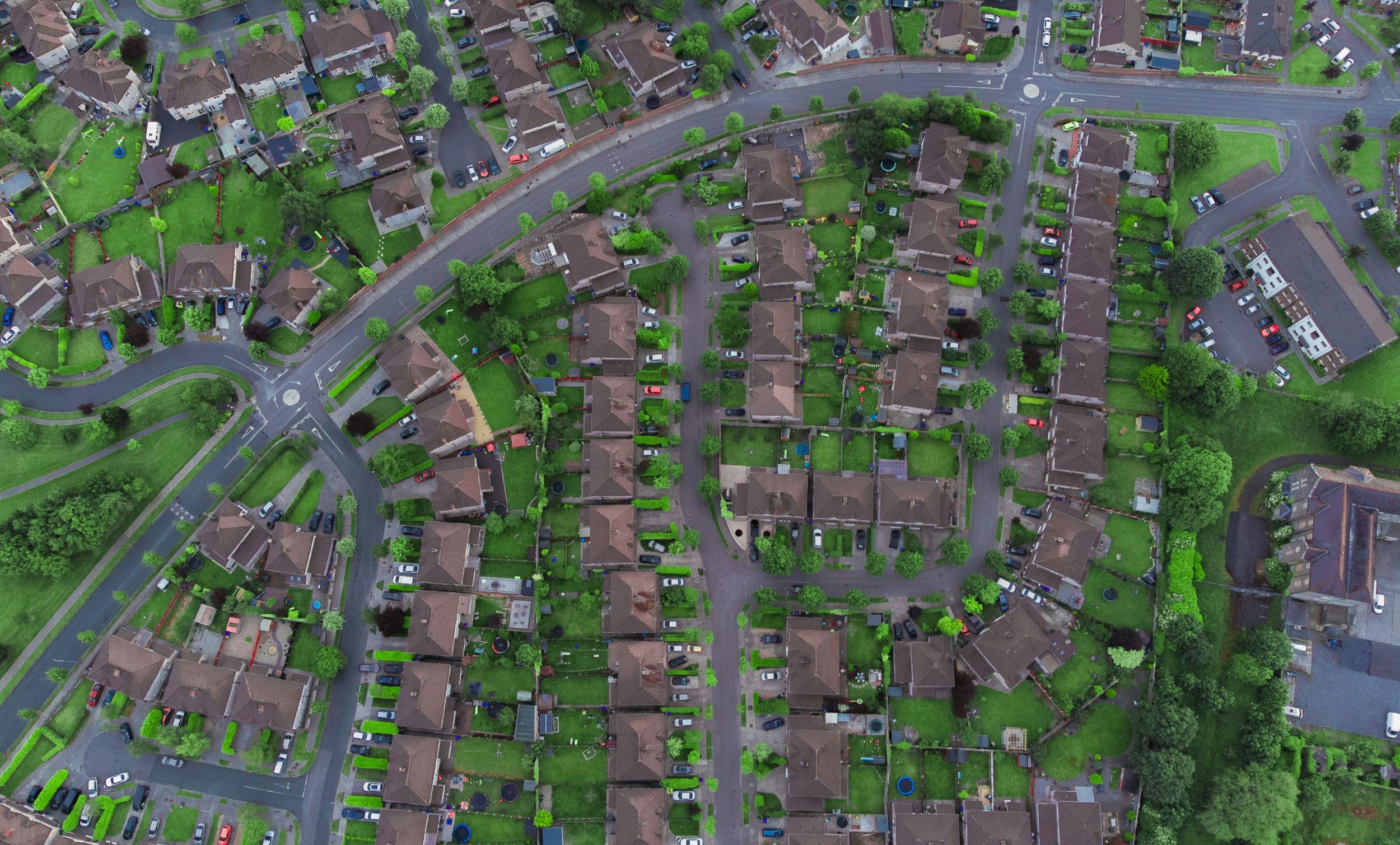
CPRE Sussex has joined 22 other national organisations this week in writing to Prime Minister Andy Burnham expressing concern that the Civil Aviation Bill could leave residents, especially those living by airports or within flight paths, without a voice in decisions made related to the aviation sector. The organisation argued that the proposed reforms may impact the public’s right to fair, independent reviews of any airspace changes in a letter that was hand-delivered to 10 Downing Street on September 1, 2026.
The proposed changes represent the first major overhaul of British flight paths in almost 70 years. According to the government, the new laws are aimed at modernising aviation and protecting passengers. Officials warned that flight delays across the UK have the potential to increase by as much as 200 per cent by 2040 without the suggested interventions.
Calls for a Neutral Body
Sally Pavey, trustee at CPRE Sussex and co-founder of CAGNE, commented on the decision to write to the Prime Minister, highlighting the impact on ordinary communities near to aviation hubs:
“This Bill risks giving communities the worst of both worlds: more decisions made over their heads, with no independent way to review them. Residents deserve a process that is transparent, accountable and genuinely fair. If there can be independent oversight for passengers, consumers – and proposed for the Clean Water Bill – then there must also be independent oversight for the communities living under flight paths.”
As part of the campaign, advocates are calling for the establishment of an independent aviation ombudsman as an amendment to the Bill. This comes after another Communities Against Gatwick Noise Emissions (CAGNE) similarly called for the creation of an independent neutral body to oversee the Civil Aviation Authority (CAA) earlier this summer, after also warning that proposed changes to the Bill risk weakening the ability of communities to challenge airspace change decisions that affect their daily lives.
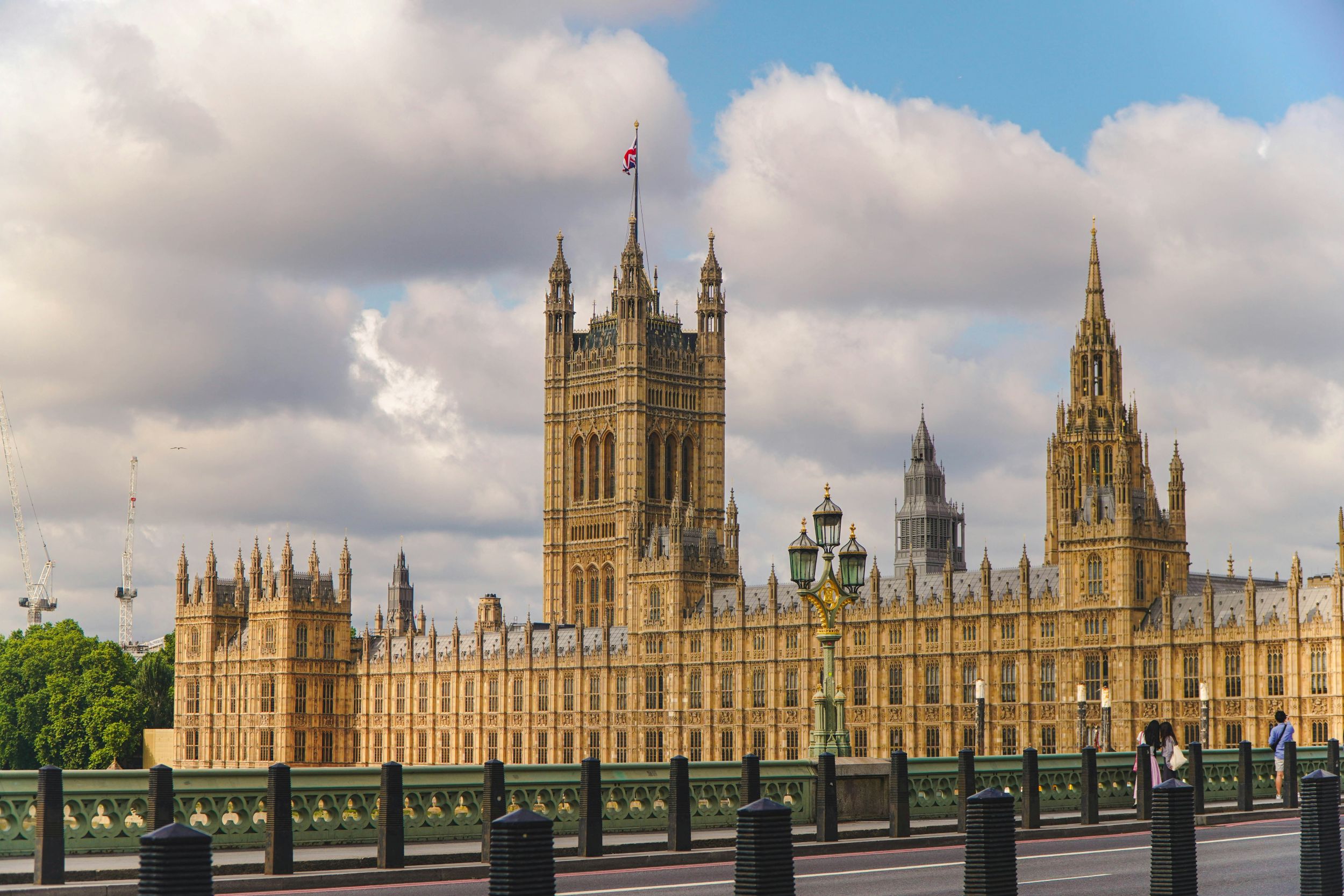
Following its passage through the House of Lords, the Civil Aviation Bill is expected to proceed through further parliamentary stages.
What do you think about the Civil Aviation Bill? Let us know in the comments.