WestJet flight attendants have accepted a new collective agreement with the airline, after they held a strike that caused hundreds of cancellations earlier this month.
What does this agreement mean?
The agreement, which saw a 90.2% vote in favour of the deal, would boost wages by more than 18% over three years.
The WestJet flight attendants also secured a duty pay premium as part of broader shift in North America, where cabin crews are challenging compensation structures built mainly around flying time rather than every hour at work.
The Canadian Union of Public Employees, which represents roughly 4,400 WestJet cabin crew members, says the agreement provides compensation for employees who check in for work until they clock out and also provide additional compensation for previously unpaid time.
The agreement will also give workers a 13% wage increase this October, followed by a 2.75% hike in January and 2.5% raise at the start of 2028.
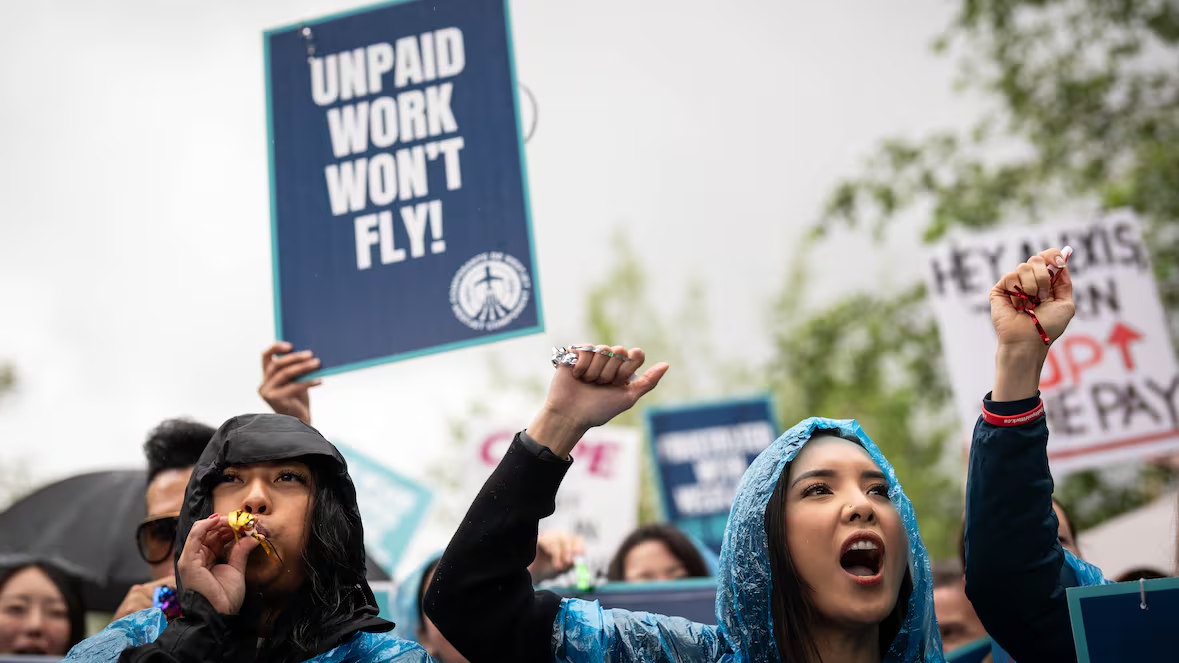
Why were WestJet flight attendants striking?
Cabin crew and WestJet had been in contract negotiations since January 2026. The flight attendants went on strike shortly after midnight on Sunday, Aug. 2, after both sides failed to reach a deal.
According to the airline, nearly 250,000 travellers have had their flights cancelled over a three-day holiday weekend in Canada.
The aviation industry has been rattled by series of labour actions over the past several years, with strikes by Air Canada flight attendants and WestJet mechanics temporarily bringing operations at Canada’s two biggest airlines to a halt.
WestJet operates 600 daily flights, carries over 70,000 travellers and serves more than 100 destinations.
Are you interested in the topics raised in this article? Let us know your thoughts in the comments below.