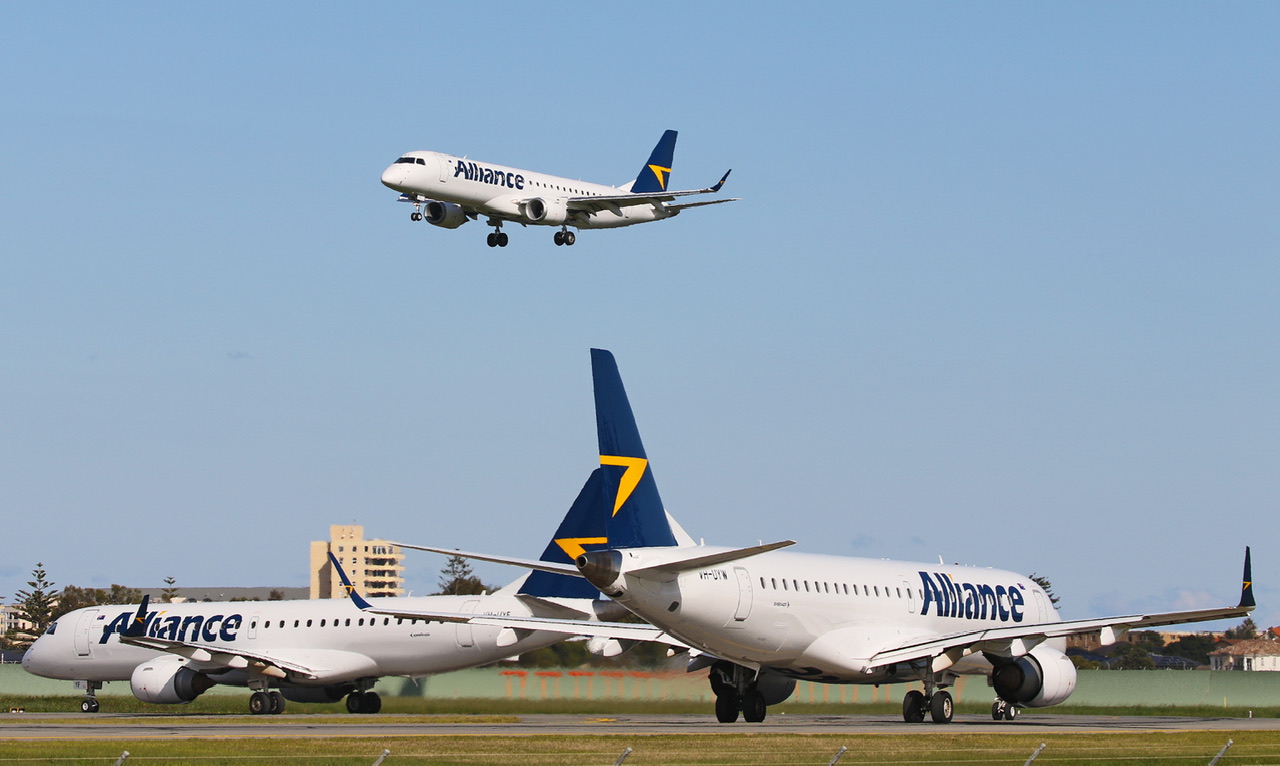
Australia’s Alliance Airlines will reduce the number of planes it leases, under a wet-leasing agreement, to Qantas Airways from 30 to 23. This is part of an ongoing restructuring programme at Alliance, which may lead to job losses among its air and ground crews. Alliance officials believe that the decision can improve the airline’s profitability and financial sustainability.
What has Alliance Airlines Announced?
Wet-leasing refers to one airline hiring the aircraft, crew, maintenance, and insurance, from another and purely managing the flight’s commercial operations such as fuel and catering costs. This can be used to reduce financial risk associated with operating air routes, and allow airlines to profit from rarely used aircraft.
By reducing the number of aircraft they lease to Australia’s flag carrier for the year ending July 2027, Alliance have signalled an intention to reduce the scale of their operations.
The airline’s Managing Director Stewart Tully believes that the decision can improve Alliance’s profitability, he stated:
“This agreement improves the expected returns and cash flow for Alliance and demonstrates the strength of our partnership with Qantas.”
Qantas will continue to hold a 19.9% stake in Alliance Airlines.
How Did We Get Here?
The decision to reduce the number of planes that will be leased to Qantas follows an in-house review of Alliance’s wet-leasing agreements, that began in November last year.
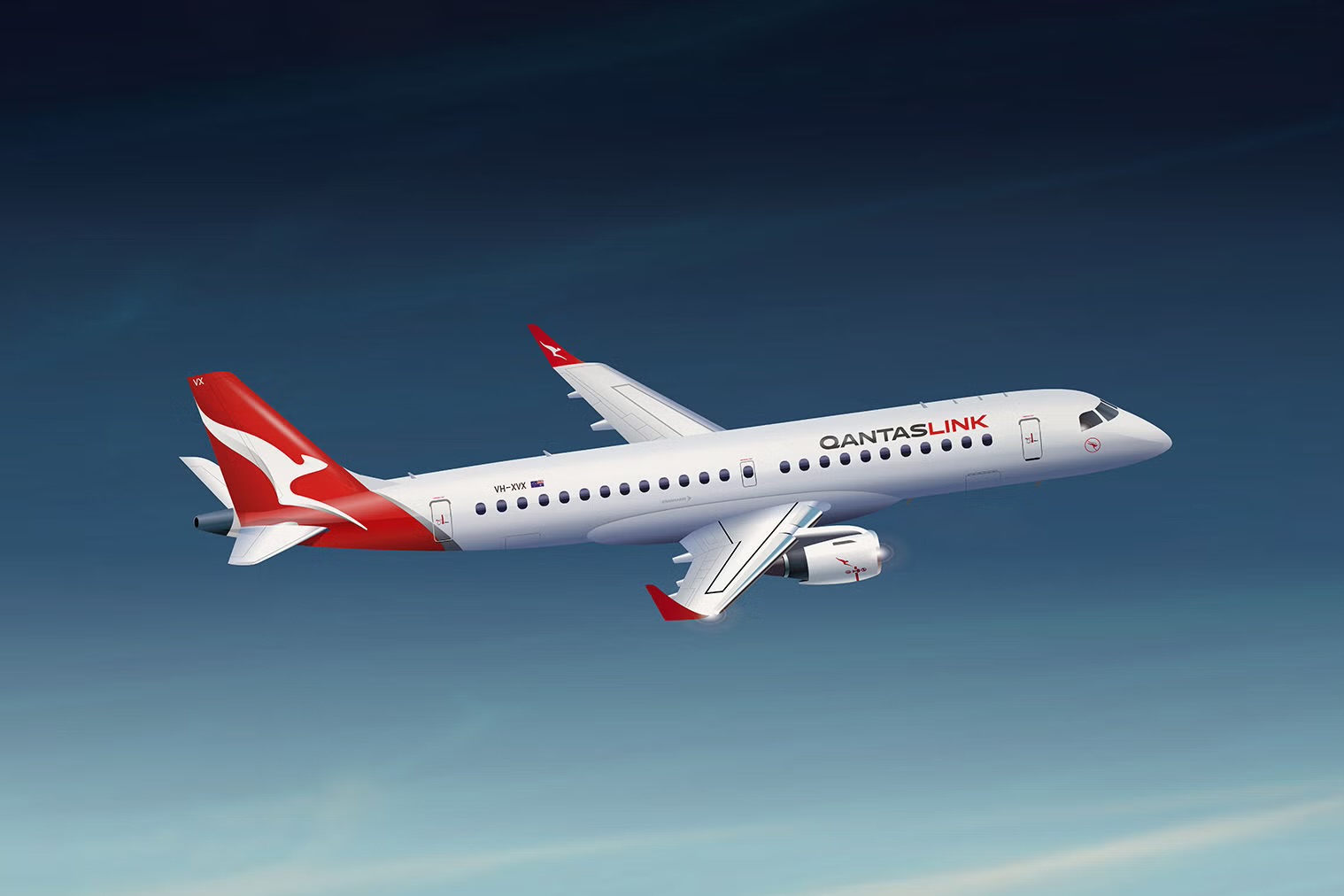
It was also announced in June that QantasLink, Qantas’ regional and domestic brand, had acquired an Embraer E190 in-house for the first time.
Alliance’s wet-leasing programme to Qantas has previously consisted entirely on Embraer E190s.
Qantas itself also announced a 5% cut in the total capacity of its domestic flights in May and June, in response to rising jet fuel prices throughout the spring.
A Qantas spokesperson said at the time that:
“The group had taken action to mitigate the impact of the conflict in the Middle East, including international network changes, capacity adjustments and fare increases.”
What does this mean for Alliance’s workforce?
Reducing its wet-leasing programme will necessitate a reduction in the working hours of Alliance’s aircraft and ground crews.
The airline has announced that it will begin a series of phased employee consultations, but did not state how many jobs could be put at risk by the changes.
The commitment to profitability over expansion suggests that Alliance would favour a smaller workforce, which would prioritise delivering its flights as cheaply as possible.
The initial reaction to Alliance’s announcement suggests that investors agree that cutting operations will maximise Alliance’s short-term profitability.
The company’s share price rose by 30% Thursday, Aug. 6, following the announcement of the cuts.
Will Australia’s airlines continue to shrink? Can Alliance Airlines become more profitable? Let us know in the comments.