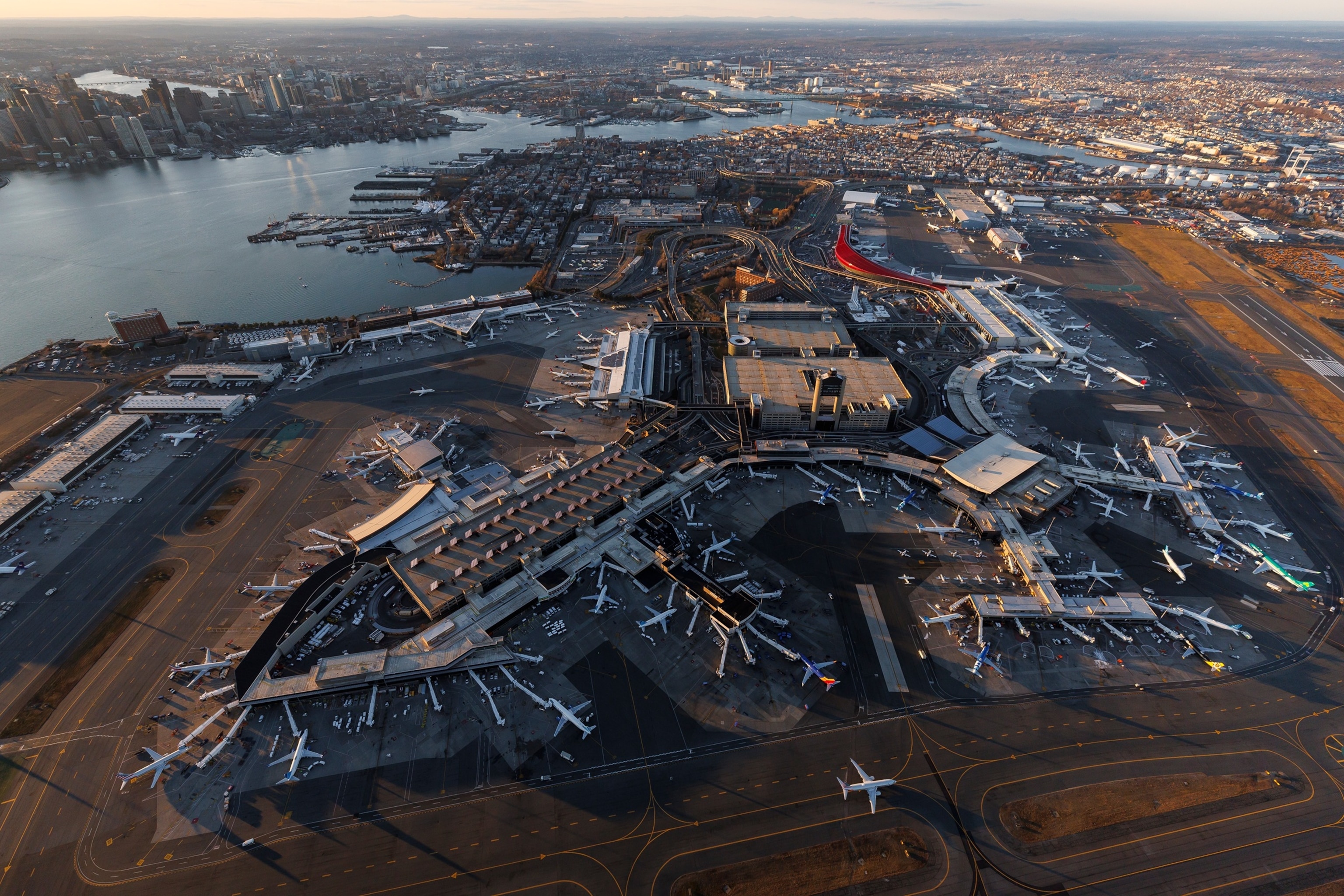
A fuelling system failure at Boston Logan International Airport (BOS) caused hours of disruption on Sunday (July 5) evening, leaving thousands of passengers stranded during one of the year’s busiest travel periods.
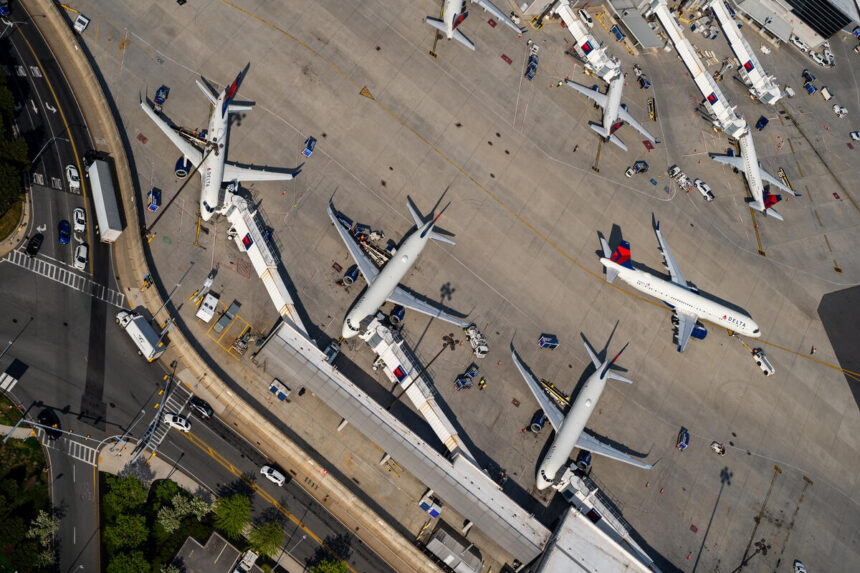
The issue, which triggered a temporary ground stop, led to dozens of flight cancellations and delays as aircraft were unable to refuel before departure. While arriving flights continued to land, congestion quickly built up on the airfield as aircraft waited for available gates.
Automatic Safety Shutdown Halts Departures
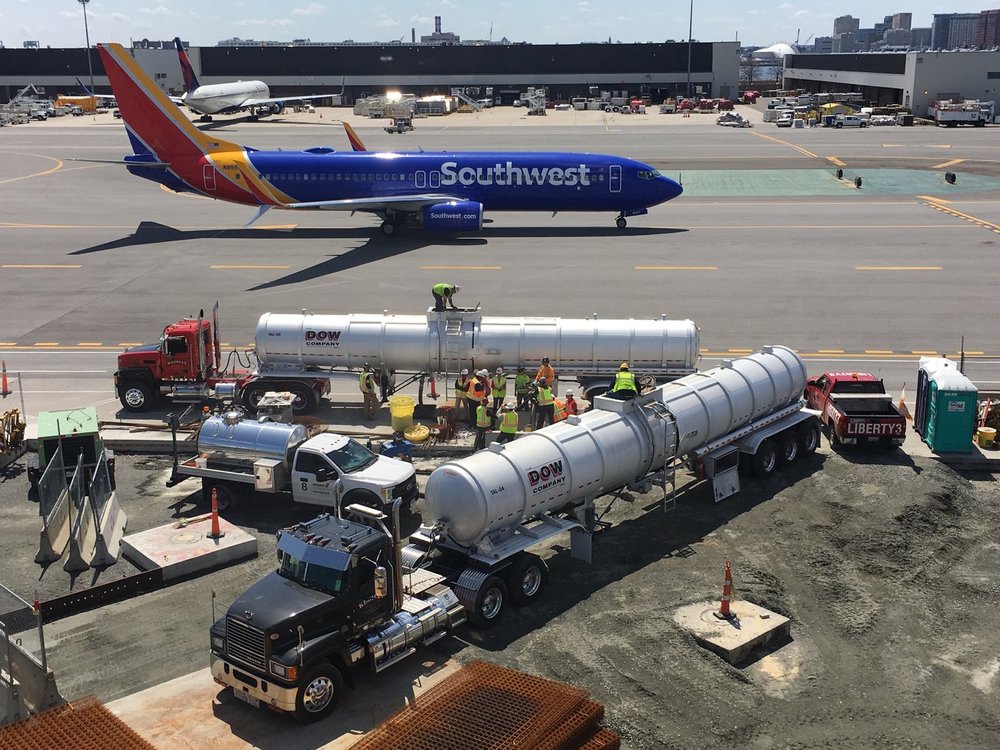
According to the Massachusetts Port Authority (Massport), the disruption was caused by a low-fuel-pressure event in the airport’s centralised fuel distribution system.
BOSFuel, the company responsible for operating Logan’s fuelling infrastructure, said the pressure drop automatically shut down the system in line with established safety procedures. Engineers worked through the evening to restore operations before flights gradually resumed just before midnight.
The fuelling problem compounded delays already affecting the airport after thunderstorms moved through the Boston area earlier in the day, creating further disruption for passengers travelling during the busy July 4 holiday period.
Hundreds of Travellers Affected
Passengers reported spending hours on board aircraft or inside terminals before receiving cancellation notices. Many travellers were forced to stay overnight after hotels in the area quickly filled due to the widespread disruption.
Although operations have resumed, some delays and cancellations continued into Monday morning as airlines repositioned aircraft and crews. Flight-tracking data showed that dozens of flights remained affected as carriers worked to recover their schedules.
The Federal Aviation Administration (FAA) noted that the disruption came during what was expected to be the busiest Independence Day travel period in 15 years, with more than 300,000 domestic flights handled over the holiday weekend.
As investigations continue, BOSFuel has not released further details about the underlying cause of the low-pressure event.
While airport operations have returned to normal, the incident highlights how a failure in critical airport infrastructure can rapidly impact airline schedules, particularly during peak travel periods. Airlines are expected to continue monitoring schedules as they work to fully recover from the disruption.
Did your travel plans change because of the fuelling issue at Boston Logan Airport? Let us know about your experience in the comments below.