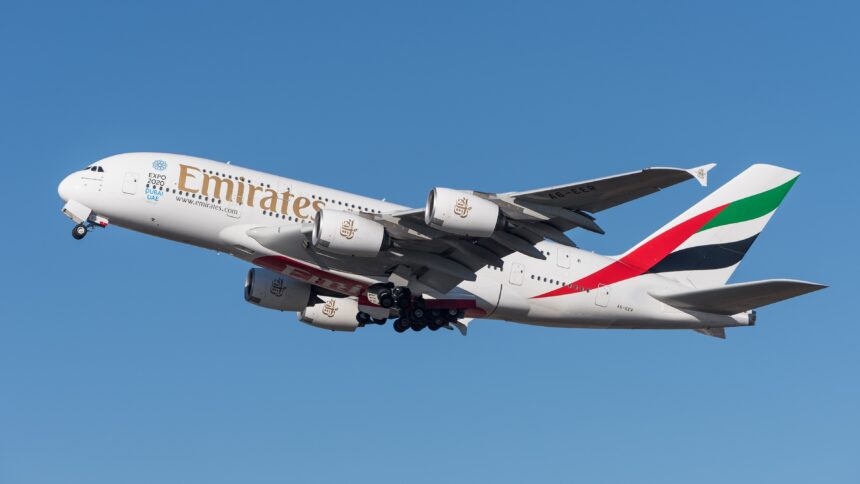
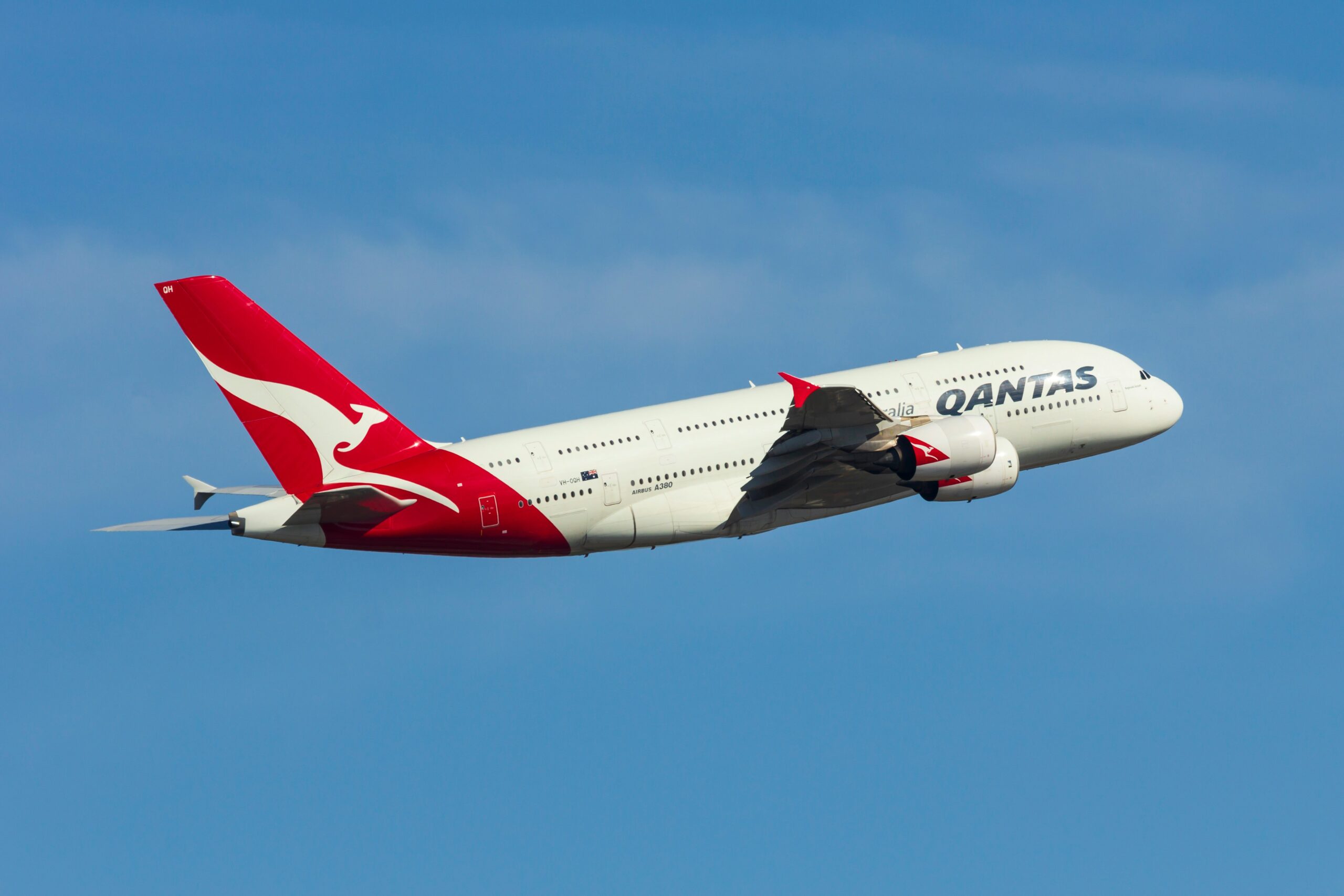
Inspectors from the European Union Aviation Safety Agency (EASA) found cracks in a structural wing beam on an A380 aircraft during routine maintenance checks. As a result, they have ordered immediate checks on all 16 affected aircraft, identified by Airbus to have “the same production history”. Five of 15 A380s operated by Emirates (EK) will be inspected immediately. The other affected aircraft is operated by Qantas (QF), which confirmed it was already in “scheduled maintenance”.
Airworthiness directives
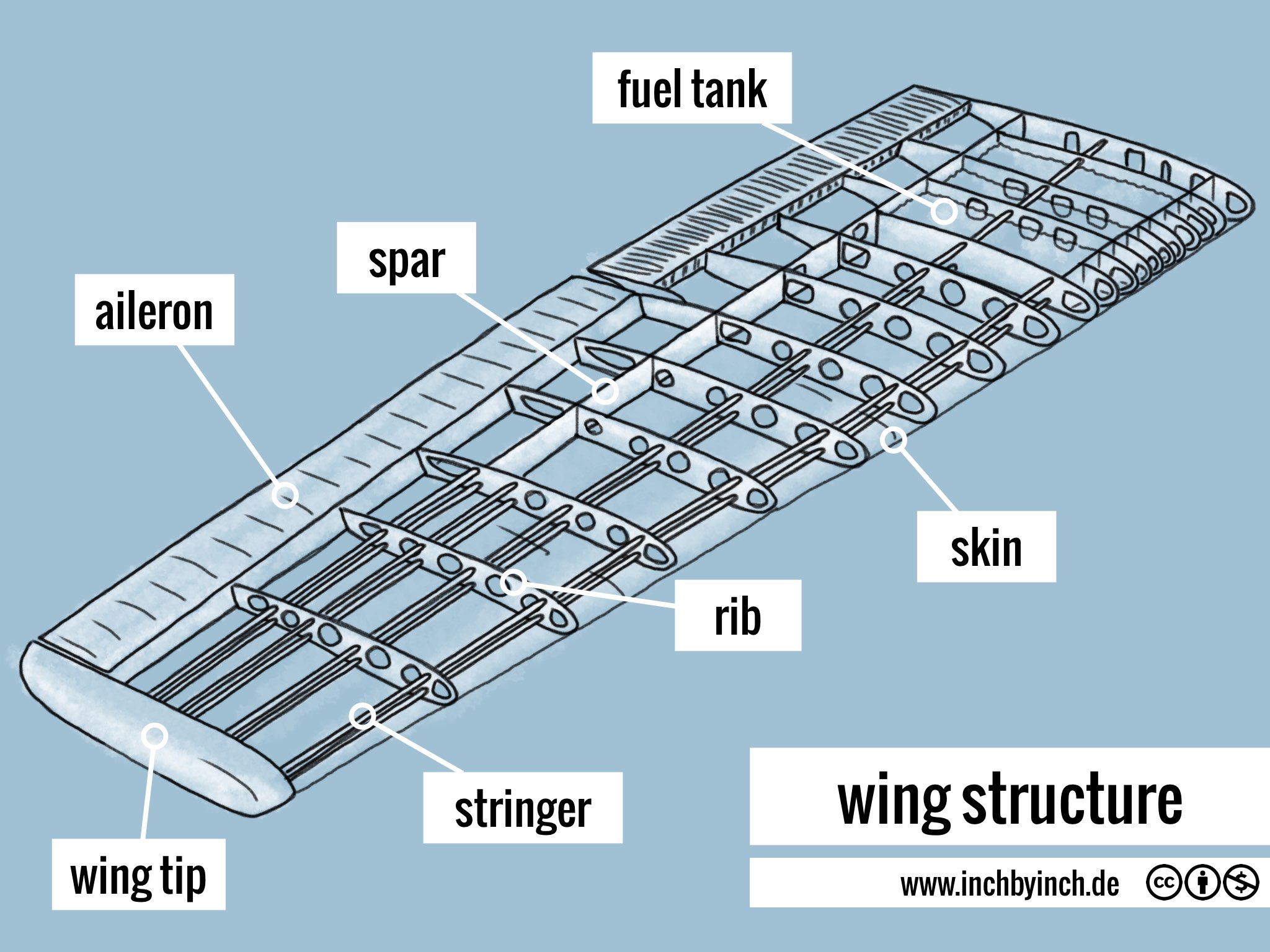
The wing-spar beam structure runs along an aircraft wing and carries much of the aerodynamic load during flight. The cracks identified by EASA “could reduce the structural integrity of the wing,” so Airbus will inspect the relevant aircraft and make any necessary repairs.
Airbus is likely to be relieved that this issue only affects 16 identified aircraft. In 2012, EASA enforced a similar “airworthiness directive” requiring inspections on the entire global fleet of A380s after cracks were found in wing skin brackets. This led to a costly repair programme and Airbus design changes for subsequent aircraft.
In March of this year, in the United States, 156 registered Boeing 757s were ordered to be inspected by the U.S. Federal Aviation Administration (FAA), the equivalent of EASA. A crack was located in the “inspar outer lower wing skin area” during routine maintenance checks, so airlines with scimitar blended winglets were given five days to conduct thorough safety checks.
A380s
The A380 is a large wide-body airliner also known as an “active superjumbo”. It is the world’s largest passenger airliner and the only full-length double-deck jet airliner. Other airlines operating the A380 include Singapore Airlines (SQ), British Airways (BA) and Lufthansa (LH). Emirates flies over half of the world’s A380s, making it the largest global operator.
In December 2025, a Qantas A380 was grounded upon arrival at Los Angeles International Airport (LAX) due to a broken slat in the wing, which was found to have deteriorated in transit. The aircraft was checked and subsequently repaired.
In the aviation industry, it is essential to identify potential safety issues through rigorous inspection, and knowledge of this process is intended to help passengers feel safe.
Have you ever boarded an active superjumbo? Let us know in the comments below.