
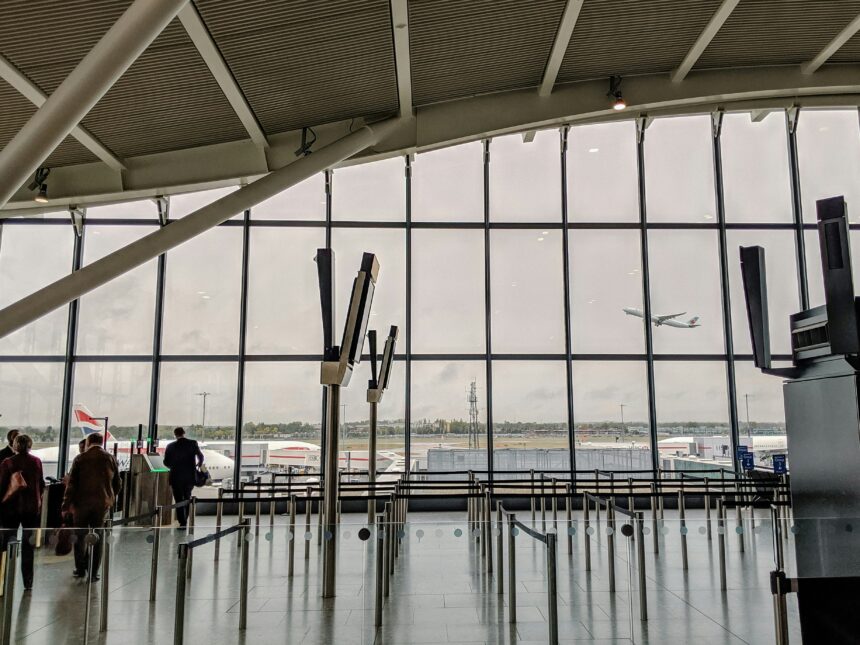
The proposed construction of a third runway at London Heathrow Airport (LHR) has triggered renewed national debate following an official health and environmental impact assessment warning that up to three million residents could face significant adverse effects. The findings, commissioned by the UK Department for Transport, highlight concerns ranging from air quality and noise pollution to housing access and community wellbeing, even as policymakers emphasise economic growth and job creation potential.
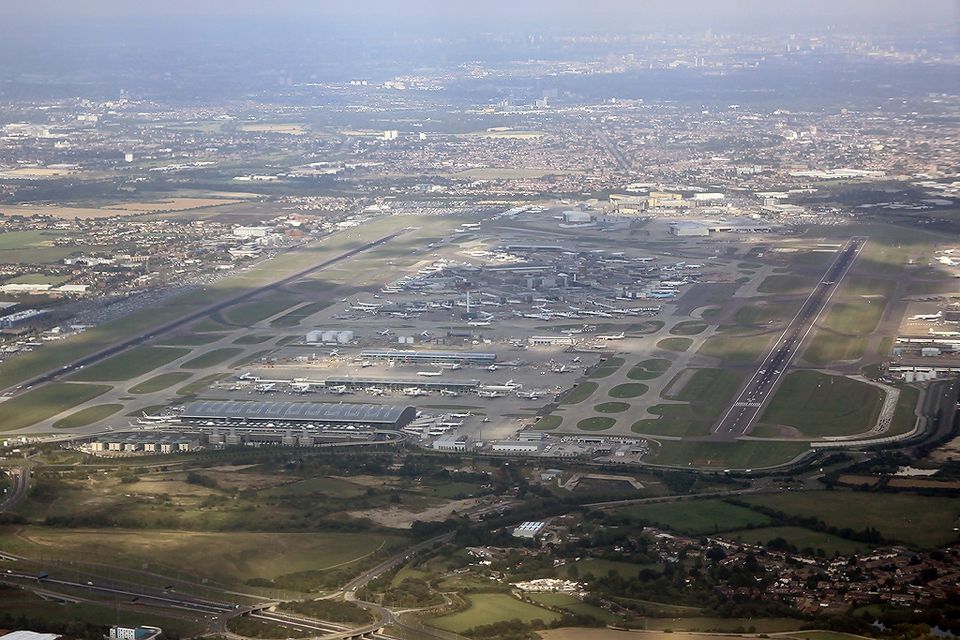
Major Health and Environmental Concerns Identified
According to the Department for Transport (DfT), the expansion remains under consultation as part of the government’s accelerated national policy statement process. The assessment underscores the balance between economic benefit and environmental cost, with implications for climate strategy, infrastructure pressure, and long-term regional planning.
An analysis conducted for the Department for Transport (DfT) by consultants Aecom found that the construction and operation of a third runway at Heathrow could have “major adverse” impacts on the health of communities living near London Heathrow airport. The report identifies several key risk areas, including increased noise pollution affecting residential areas under flight paths, deterioration of air quality linked to higher flight volumes, reduced access to housing. It also highlights the loss of open spaces and the degradation of local landscapes as significant concerns.
The assessment further notes broader environmental risks, including potential impacts on water quality, climate change adaptation capacity, and community cohesion. While it acknowledges projected economic benefits such as job creation and skills development, it concludes that environmental and social harms are likely to be significant and not fully mitigable.
According to the Guardian, Government officials, however, argue that mitigation strategies are being developed alongside the consultation process, including measures aimed at reducing emissions and managing noise exposure.
Aviation Outlook and Policy Debate
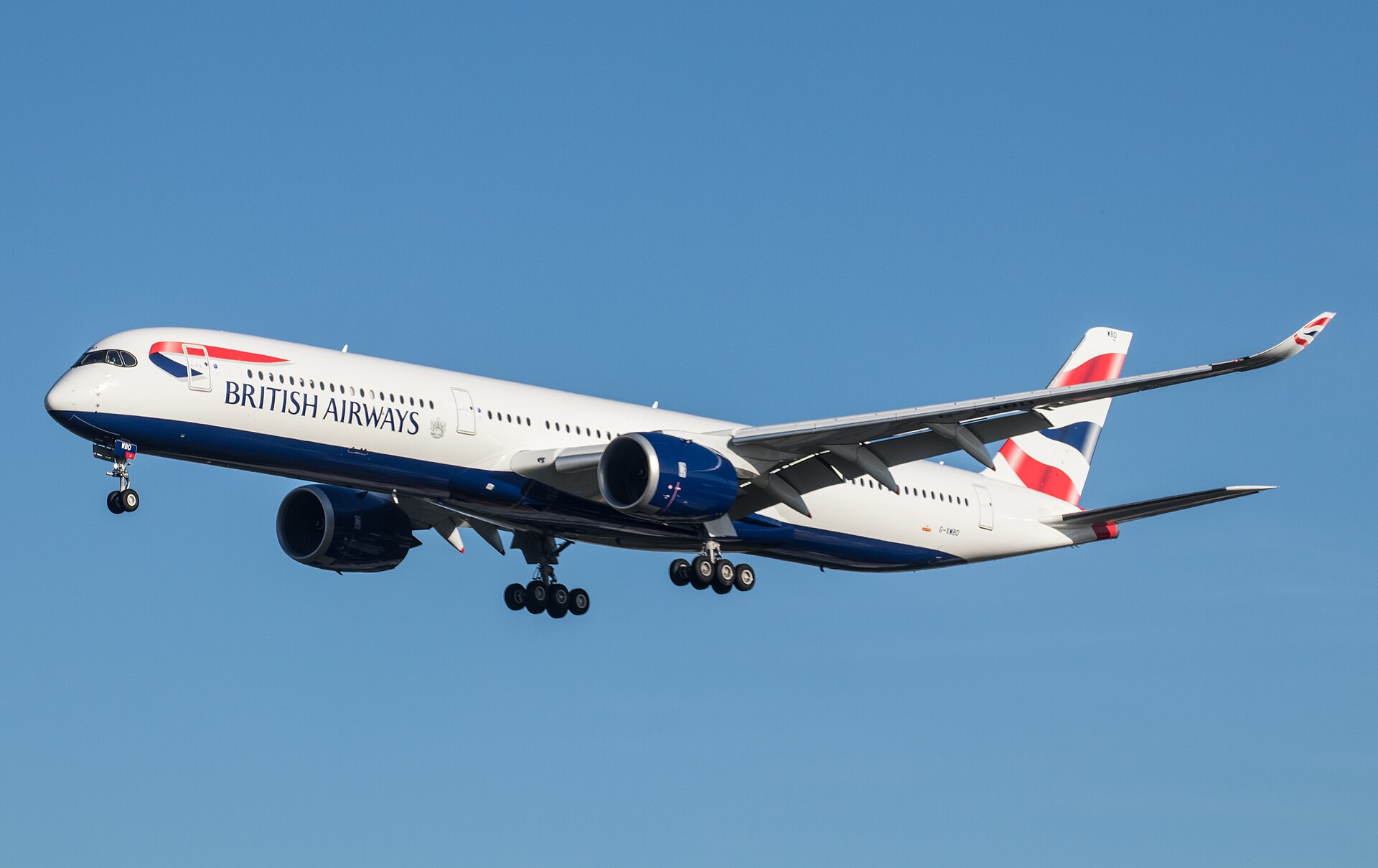
According to the Guardian, supporters of the London Heathrow Airport expansion argue it could generate tens of thousands of jobs and deliver significant long-term economic benefits through improved global connectivity. Government officials say the policy aims to balance growth with environmental safeguards, with further consultation intended to refine mitigation measures. However, local campaigners warn of serious risks, including displacement, housing pressures, and long-term disruption to nearby communities.
According to the International Air Transport Association (IATA), global air travel in 2026 is expected to continue recovering, with passenger demand nearing or exceeding pre-pandemic levels.
The UK government has opened consultation on a revised national policy statement supporting Heathrow expansion, requiring parliamentary approval before proceeding. While ministers argue the project aligns with long-term economic strategy and infrastructure needs, critics say consultation has been limited and that environmental and social costs may fall disproportionately on local communities.