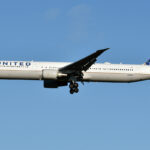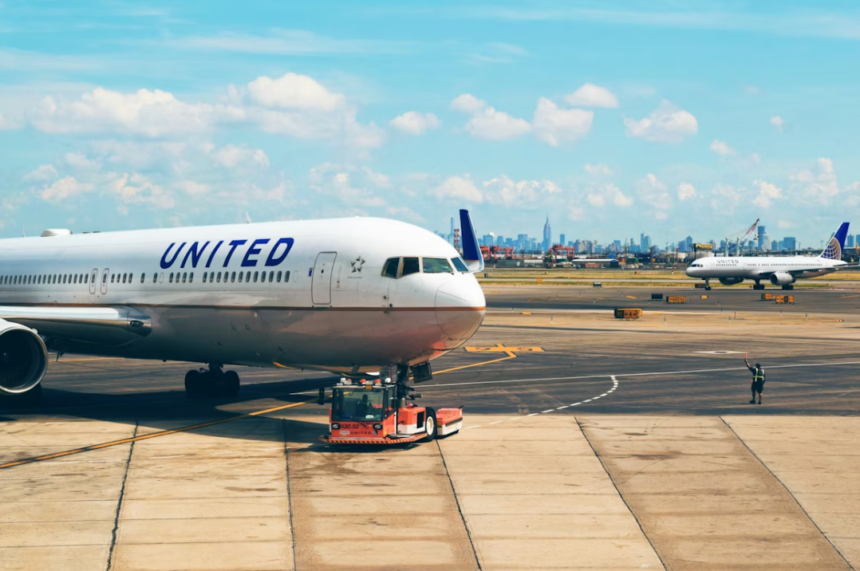
The National Transportation Safety Board (NTSB) has released its final report regarding a February 2025 incident in which a United Airlines flight from George Bush Intercontinental Airport in Houston to LaGuardia Airport in New York City was forced to evacuate due to an engine failure. In the report, the NTSB revealed that the chaos during the plane’s evacuation was exacerbated by the failure of passengers to comply with cabin crew instructions.
What happened on United Airlines Flight 1382?
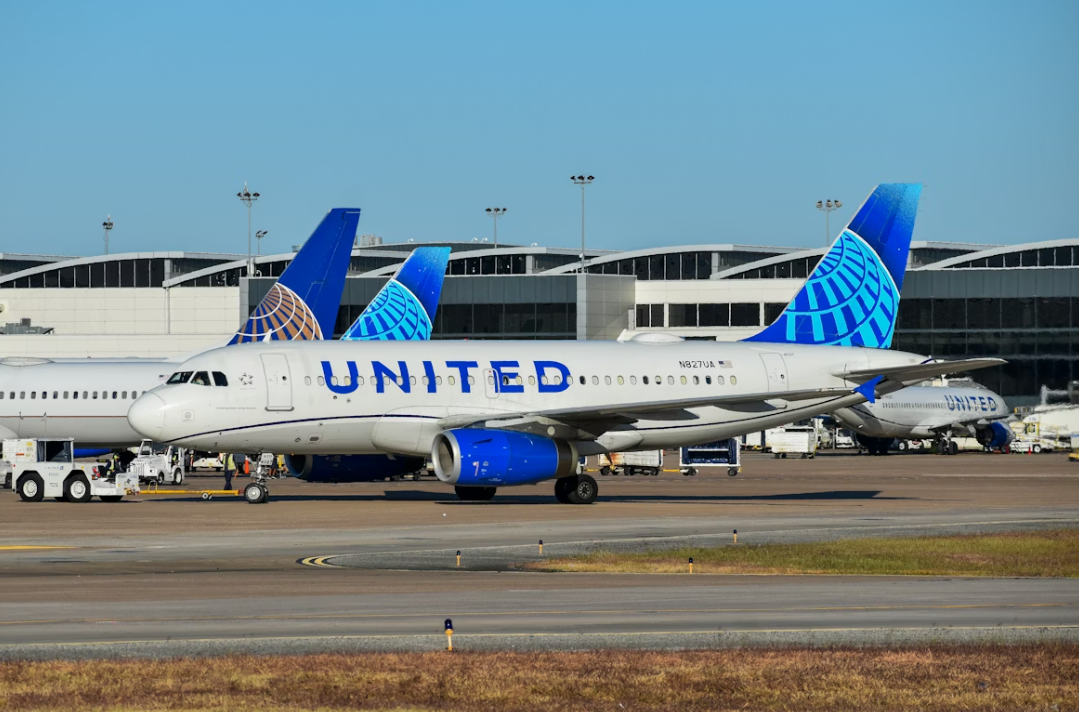
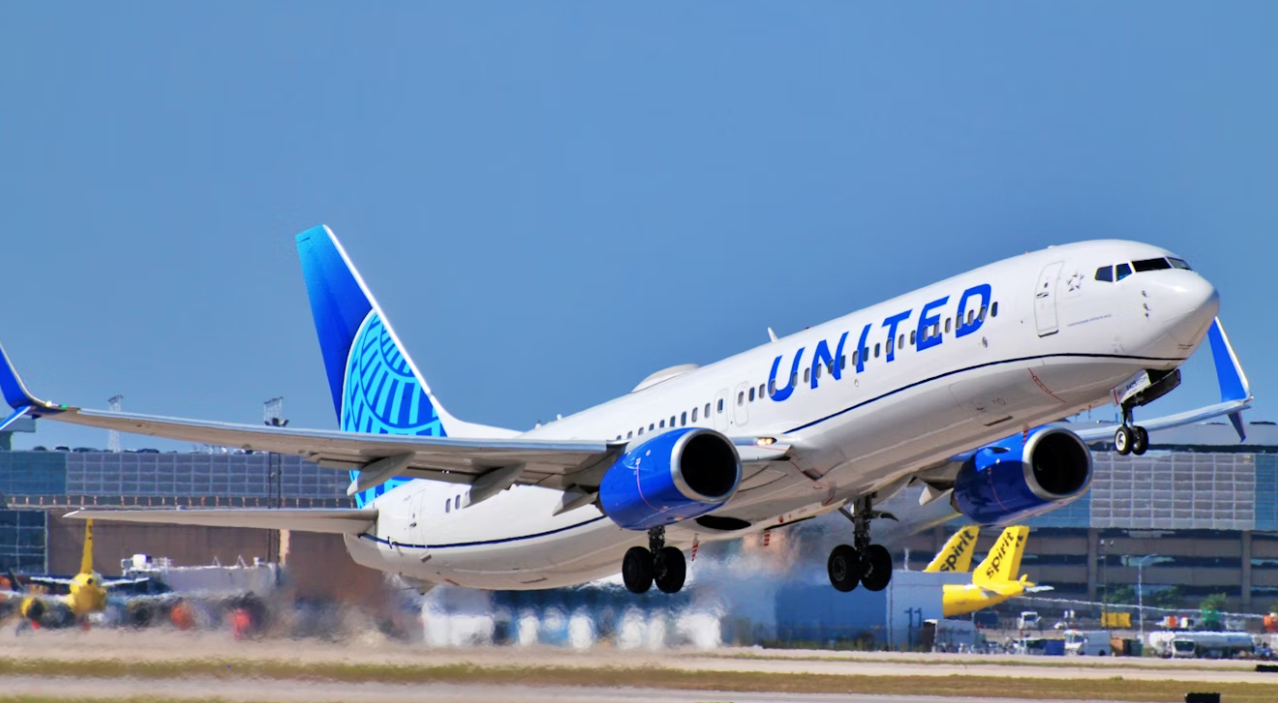
On Feb. 2, 2025, United Airlines Flight 1382 was preparing to take off from George Bush Intercontinental Airport, bound for LaGuardia Airport, when the crew received an engine notification that forced the flight to remain grounded. The NTSB report states that shortly after this, passengers reported observing a fire in the plane’s right-hand engine.
Those on board were evacuated and gathered on the runway before being escorted to the airport terminal. Videos taken by passengers on the runway showed black smoke and flames coming from the plane’s right-side engine, just below the wing.
Emergency vehicles were also quick to rush to the scene. However, no injuries were reported, and the Houston Fire Department stated that there was no fire at the time when they arrived at the runway.
Shortly after the incident, a spokesperson for United Airlines said:
“During takeoff, United Flight 1382 received an indication about one engine and halted the takeoff while still on the runway. Passengers deplaned on the runway via a combination of slides and stairs and were bused to the terminal. There are no reported injuries at this time.”
What does the report tell us about the incident?
The report’s findings mainly involve the evacuation of the flight, painting a chaotic and disorganised picture. In particular, the NTSB attributed the evacuation difficulties to the behaviour of passengers onboard, and errors made by cabin crew in following the correct procedures. The report states:
“The failure of the cabin crew to activate the evacuation alarm and to maintain coordinated communication with the flight crew following the cabin crew’s decision to command an evacuation, which resulted in an engine running during the initial evacuation. Contributing to evacuation difficulties were passenger noncompliance with cabin crew instructions, including retrieving carry-on baggage, ignoring instructions to remain seated and to return items to the overhead bins, and to wait for the L2 slide to fully deploy.”
Because the flight crew were unaware of the evacuation initially, the left-hand engine of the plane was running during the beginning of the evacuation. However, it was later able to be shut off once the pilots learned of the evacuation taking place.
The flight’s evacuation was also disrupted by erratic and aggressive behaviour from some of the passengers on board. Once passengers became aware of the potential fire, many became panicked and began to try and exit the plane immediately, against cabin crew instructions. In one instance, a flight attendant (referred to as FA1 in the report) tried to ask passengers to remain seated, but these instructions were ignored. The NTSB reported that:
“FA1 was forced to step back until positioned against the aft lavatory adjacent to 2L. One passenger was described as aggressive and vocal, repeatedly stating, “Open this door now!” and “We need to get out—there is a fire!” FA1 continued issuing instructions: “Please stand back and stay clear of the galley and door area. The flight attendants and pilots are assessing conditions. I need to assess conditions and can only do that if everyone remains seated.” Despite this, the passengers were described as panicked, fearful, and acting irrationally.”
In another incident of aggressive behaviour from passengers on board, three passengers pushed past the flight attendants and used the slide to exit the plane before it was fully deployed. This damaged the slide and made it unusable. According to the report:
“FA1 continued issuing “stand back” commands and attempted to verify full slide deployment. However, as soon as the door opened, the three male passengers pushed past FA1 and went down the 2L slide before it had fully deployed. Immediately following their descent, the slide began to deflate. Recognizing that the slide was no longer functional, FA1 blocked the 2L exit using “exit block—stand back” commands and instructed passengers to wait, as the exit was no longer usable.”
The report also stated that upon further inspection, significant damage to the right-hand engine’s high pressure compressor 3rd stage rotor blades was observed, including one blade that had fractured and separated below the platform. A more detailed examination revealed further wear and tear to the engine consistent with fragments of engine blade entering the gas path and damaging the engine. The NTSB concluded that this was the likely cause of the engine failure.
What do you think about this incident? Do you think passenger aggression was at fault for the chaotic evacuation of the flight? Let us know in the comments below!