
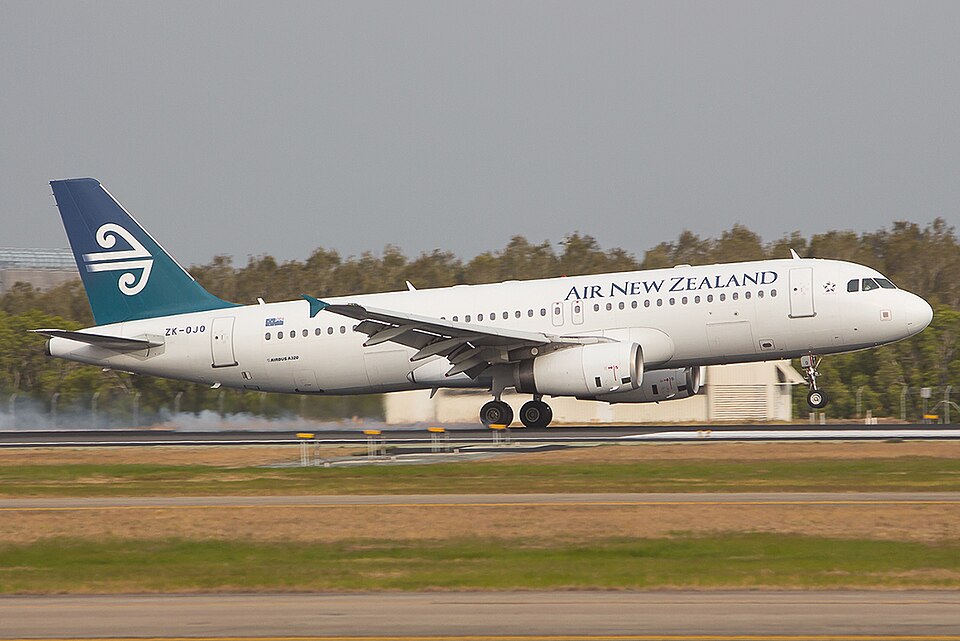
Air New Zealand has cancelled 46 long-haul flights as cabin crew begin two days of strike action over pay. The walkout, which took place on Feb. 12 and 13, has left around 9,500 passengers stranded. Domestic and regional services are running as normal, and the airline has moved aircraft to ensure most Tasman and Pacific routes.
Union Points to Financial Hardship
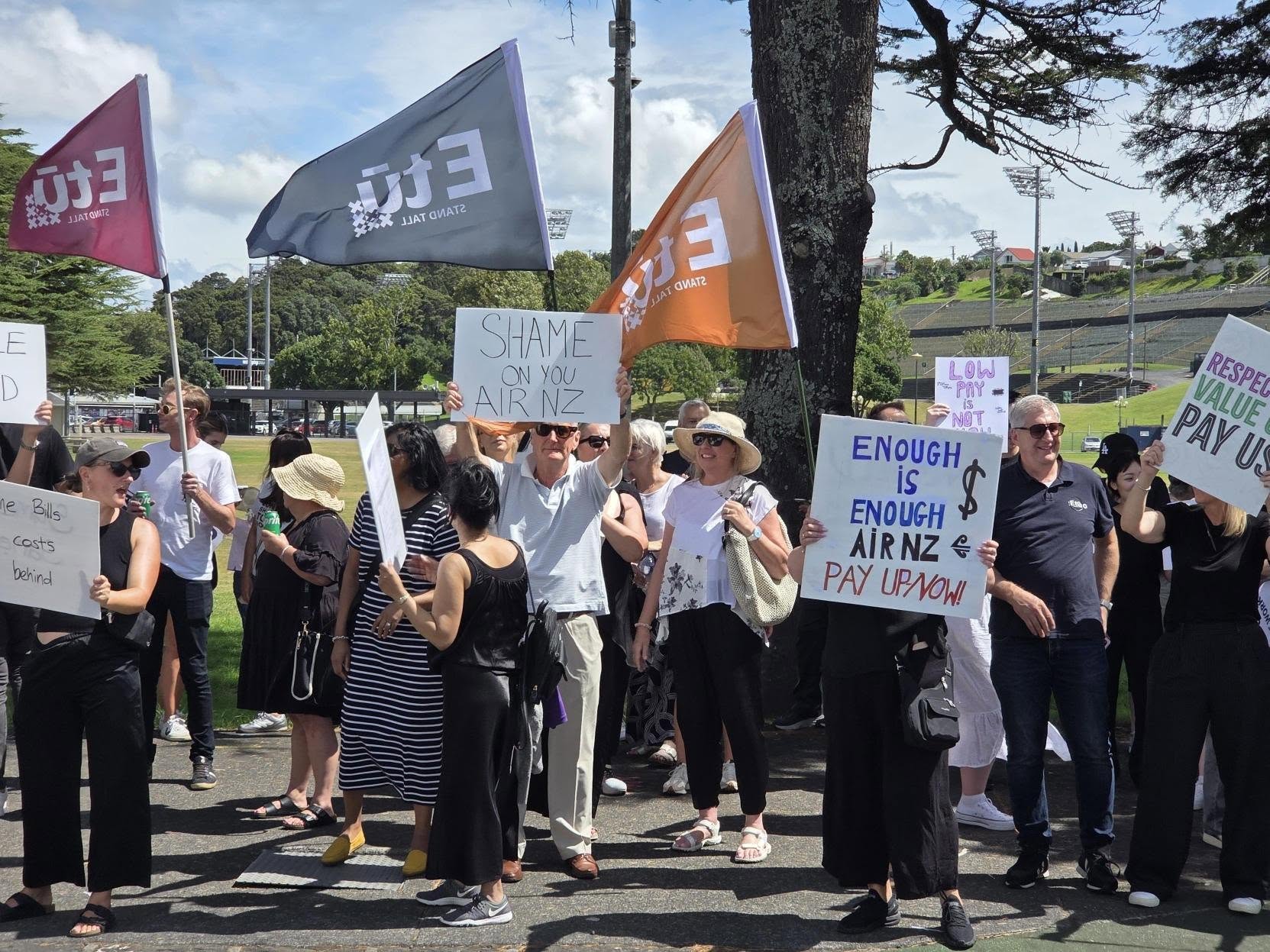
E tū union national secretary, Rachel Mackintosh, said the strike was a “last resort” after ten months of unsuccessful negotiations. She said many flight attendants struggle to cover basic costs despite their jobs.
Speaking to local outlet RNZ, Mackintosh stated:
“The base pay [for flight attendants] is very low – currently less than $60,000 a year,” adding that “pay level has an effect on people’s lives, including that they can’t get bank loans or mortgages because that’s their only guaranteed income.”
Mackintosh emphasised the demanding nature of cabin crew work, describing flight attendants as first responders who handle crises and keep passengers safe, all while making it look routine.
Airline Defends Pay Offer
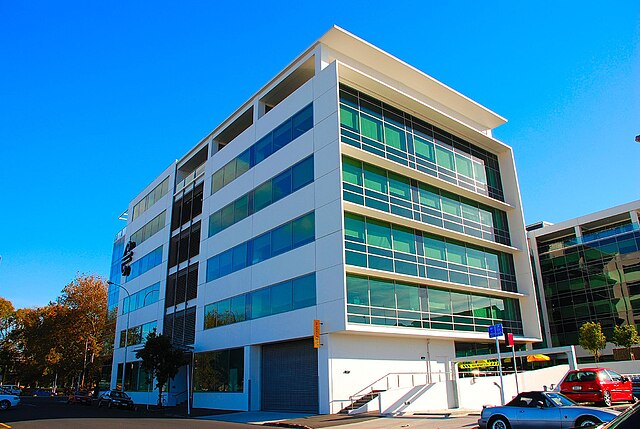
Air New Zealand has offered salary increases ranging from 4.14% to 6.41% in the first year. Chief people officer Nikki Dines said that looking at base pay alone misses the full picture.
“Cabin crew have a unique remuneration structure where base pay is a guaranteed income, regardless of the hours they work.
“In addition to base salary, cabin crew receive other payments and allowances linked to duties undertaken, which significantly increases their total remuneration.”
The airline adds that salaries have kept pace with rising costs of living. However, Dines acknowledged that this pay system has not always aligned with what all crew members want.
Impact on Passengers
Travellers face major disruption to their plans, with some reporting thousands of dollars in extra costs for last-minute hotels and new flights. Many have been left scrambling to rearrange connections booked with other airlines that were not automatically protected.
Jeremy O’Brien, chief customer and digital officer, has apologised for the inconvenience. The airline is contacting affected customers with new flights or refunds. It may also cover meals, hotels, and transport where needed. Air New Zealand will run cargo-only flights to keep goods moving during the strike.
The strike highlights broader tensions across aviation as airlines balance operational costs with employee demands. The union has questioned why the airline spends on new planes and uniform redesigns while the crew struggle with living costs.
Dines has defended the investments, explaining that these choices help the airline run more efficiently, allowing it to earn the money that pays for wages, training and job opportunities.
Both sides have agreed to more talks, though no specific timeline has been announced.
Has this strike affected your travel plans? Leave a comment below.