Pet travel is no longer a niche service. In 2026, the so-called “pawprint economy” is driving demand for pet-friendly air travel, with airlines allowing pets in cabins and expanding in-cabin pet flights, reshaping policy, pricing, and regulation across key markets and popular airlines.

The Demand Becomes Mainstream
Pet ownership is widespread across major travel markets, and the pawprint economy is driving steady growth in pet travel, as more passengers choose to fly with animals rather than leave them behind. A 2024 Mars Petcare study covering 20 countries, including the U.S., U.K., Brazil and China, found that 56% of households surveyed owned a pet.
While this does not represent every country globally, it highlights the scale of demand shaping travel behaviour. The wider pet industry is expected to approach $500 billion by 2030, while demand for pet-friendly airlines, airlines allowing pets in cabins and in-cabin pet flights, is growing faster than many traditional leisure markets.
Growth in pet travel is no longer limited to frequent or wealthy travellers, either. Around 27% of pet owners who travelled with animals in 2025 did so for the first time, indicating that the pawprint economy is pushing pet-inclusive travel into the mainstream.
Safety concerns around cargo transport, combined with stronger owner attachment and post-pandemic lifestyle changes, have increased demand for in-cabin pet flights, particularly on long-haul routes. This shift has strengthened pricing power at the premium end of the market.
Specialist operators such as SkyePets advertise long-haul, in-cabin services starting from around $12,900, though prices vary by route. Some transpacific services scheduled for late 2026, including flights between Los Angeles, Melbourne and Auckland, are priced from $26,990, reflecting both high demand and limited supply.
Airlines Take Different Paths
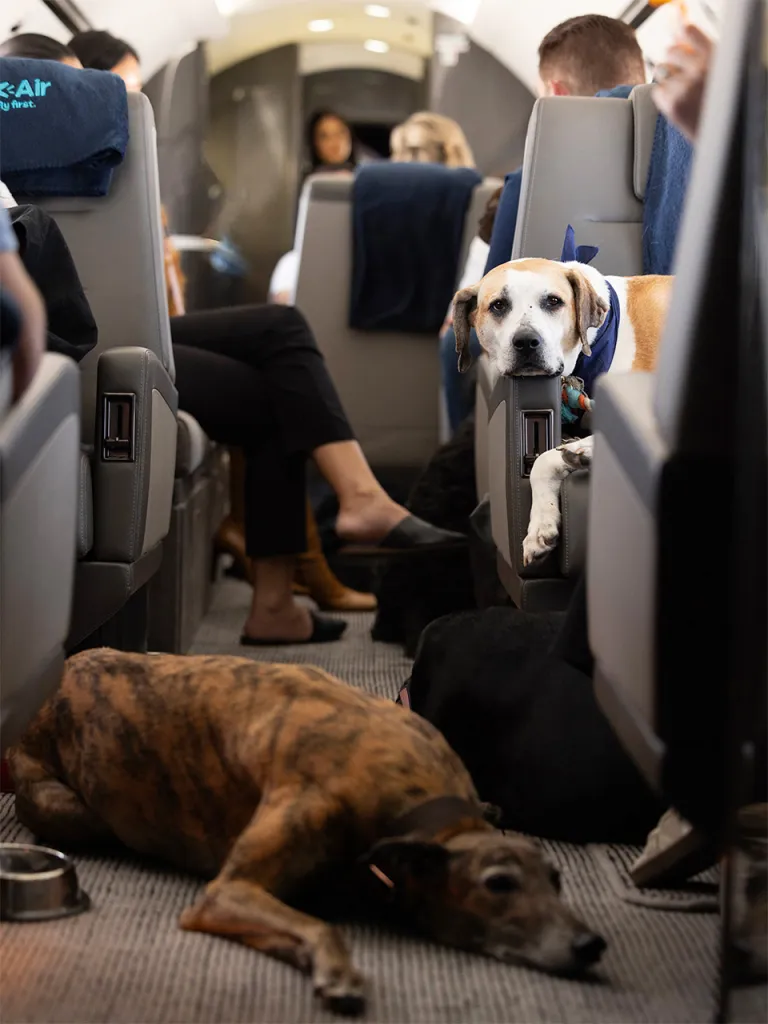
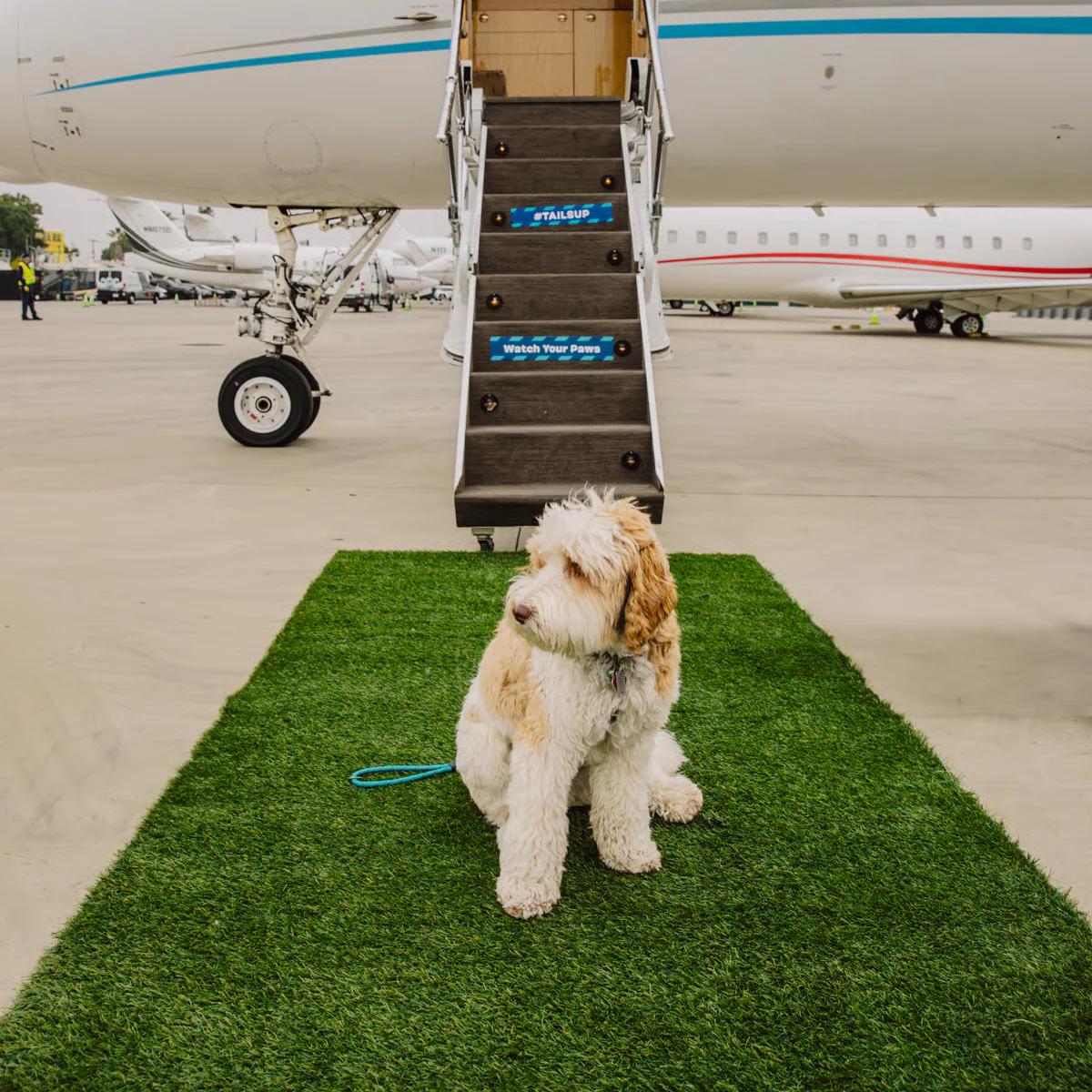
Specialist operators are focusing entirely on pets. BARK Air has expanded to European cities, including Paris, Lisbon and Milan. According to company filings, the airline reported $3.6 million in revenue in the second quarter of its most recently reported fiscal year, while its parent company, BARK Inc., reported $107 million in total revenue. In the U.S., RetrievAir, backed by investment from Shark Tank, operates 30-seat Embraer 135 aircraft and plans to expand to Atlanta and Seattle in 2026, offering in-cabin pet flights.
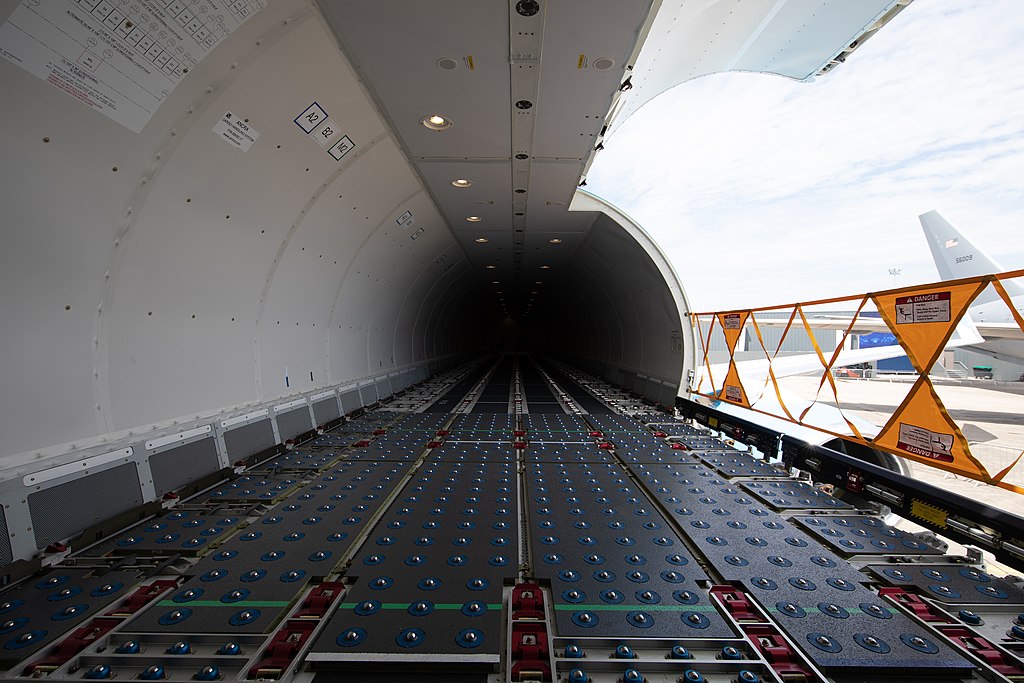
Most pet-friendly airlines remain cautious. Cabin access is usually limited to small pets, with larger animals travelling in the hold. Airlines such as Lufthansa and Air France-KLM focus on compliance with IATA Live Animal Regulations, which set standards for temperature, ventilation and handling. Monitoring systems exist, but are not typically offered as live tracking for individual pets.
For travellers, this means pet travel options vary by price, route and pet size:
- Lower-cost pet travel in the U.S. is mainly offered by Frontier Airlines and Southwest Airlines, which charge a fixed pet fee on domestic flights.
- Long-haul pet travel with higher welfare standards is more common on Lufthansa and KLM Royal Dutch Airlines.
- Airlines allowing for larger dogs in the cabin remain rare, with most options offered by specialist operators such as BARK Air and SkyePets.
Regulation Still Limits Expansion
Demand for pet-friendly airlines is rising as pet travel becomes more common, but rules still limit how many airlines allowing pets in the cabin can expand in-cabin pet flights.
Italy is one of the few European countries to move ahead. In May 2025, the Italian Civil Aviation Authority (ENAC) approved new guidelines that allow medium and large dogs, generally over 8-10 kg, to travel in the cabin under strict conditions. Dogs must be placed in approved carriers secured to a seat next to their owner, usually requiring the purchase of an extra seat.
The rules set the legal framework, but airlines must choose to take part. Carriers such as ITA Airways and Neos Air have been among the first to introduce or trial these services on selected routes.
Elsewhere, restrictions remain tight. Most European airlines still only allow small pets that fit under the seat, typically under 8-10 kg, including the carrier they are placed in. Across the European Union, pet travel continues to require microchipping, rabies vaccination, and valid health documents.
In the U.K., most pets arriving from outside the EU must still enter as cargo rather than travelling in the cabin. Japan and Australia continue to enforce strict testing and quarantine rules.
Strategic Implications
In revenue terms, pet travel remains a small market, valued at around $2.5-$2.7 billion in 2026, according to forecasts. Its growth is steady rather than rapid, with analysts projecting annual expansion to around 10% through 2030, shaped by regulation and operational limits.
Its importance will be dictated by customers’ behaviour. Research from Amadeus and Globetrender highlights the pawprint economy as a key travel trend for 2026, driven by rising pet ownership and stronger emotional attachment. This is reflected in a rise in first-time pet travel, which is beginning to influence how people plan trips.
For airlines, this marks a shift. BARK Air has already built a pet-first model, while SkyePets is planning to launch long-haul, in-cabin pet flights. Larger carriers are responding more cautiously, focusing on clearer pet policies and safer handling for animals travelling in airplane holds.
Pet travel is still niche, but it is becoming a way for airlines to stand out with pet-owning travellers.
The question is whether airlines treat pet travel as an extra service or as something that helps keep loyal customers. What do you think? Share your thoughts below.