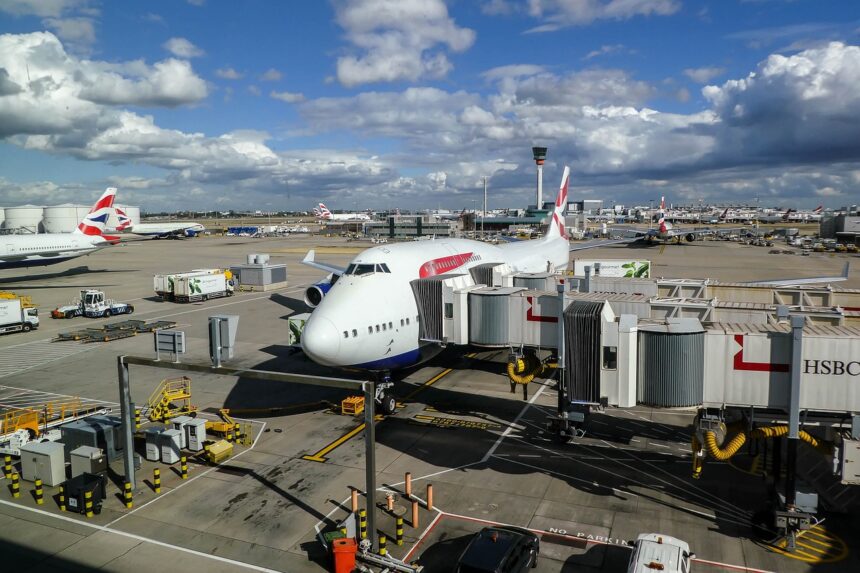
In January 2025, UK chancellor Rachel Reeves backed the building of a third runway at the London Heathrow Airport (LHR), with the aim of completion in 2035. While the project was attempted to be put forward in 2019 and was rejected, it may become a possibility in 2026.
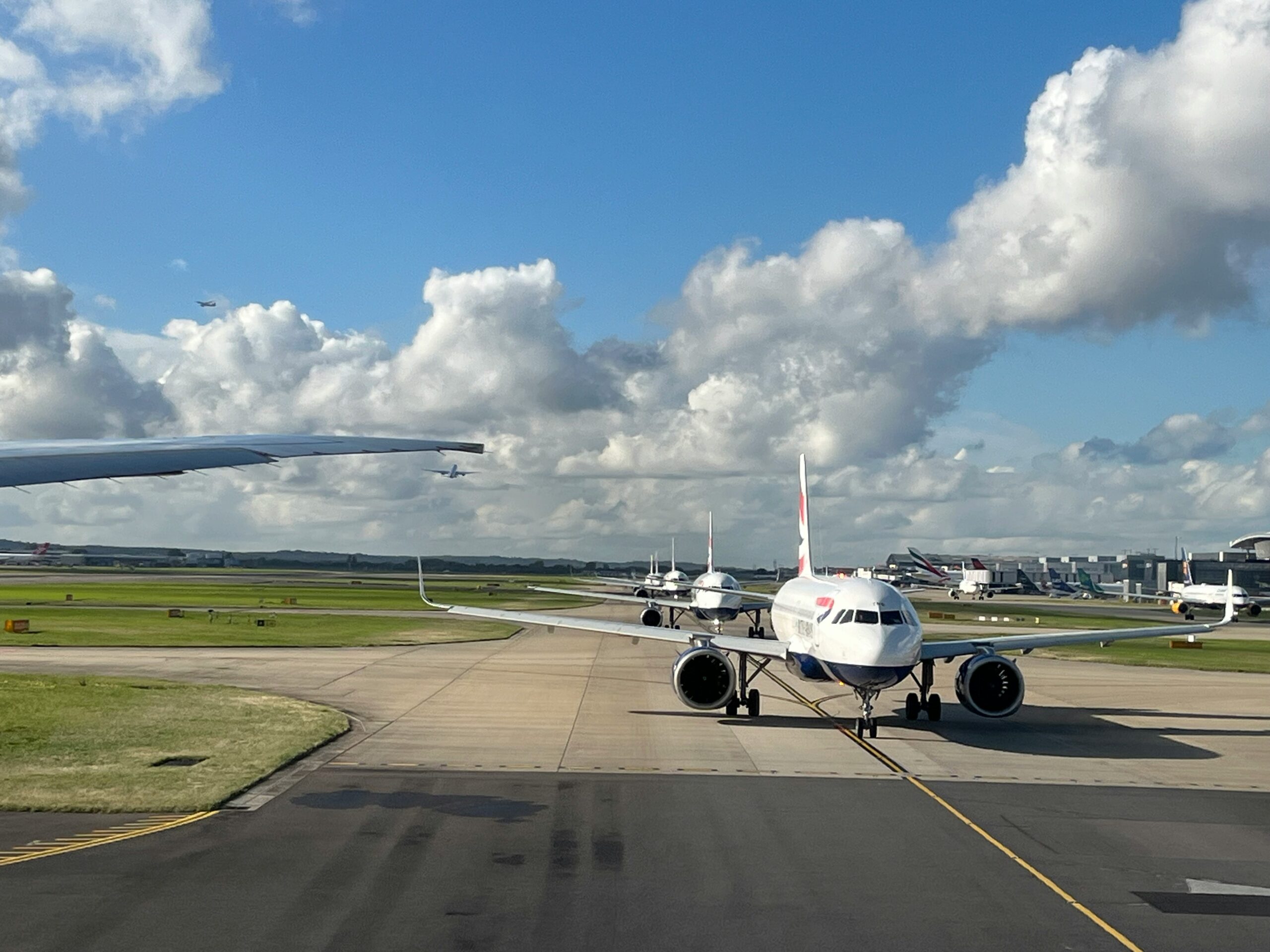
What impact will it have on our pollution?
The estimated CO₂ emissions by Airport Commissions estimated an additional 4.4 million tonnes produced, which would contradict the government’s plan to become net zero by 2050. The Climate Change Committee has previously warned against the construction of the third runway due to the fact it completely contradicts government plans to reduce pollution.
Local air quality would deteriorate due to the increase in flights by 50%. There is a prediction that carbon emmissions would increase to 9.43 million tonnes annually.
Theresa May in 2009, when the government announced its initial planning for the third runway said that the labour government was
“Seriously flawed” and pledged to “fight to stop the third runway.”
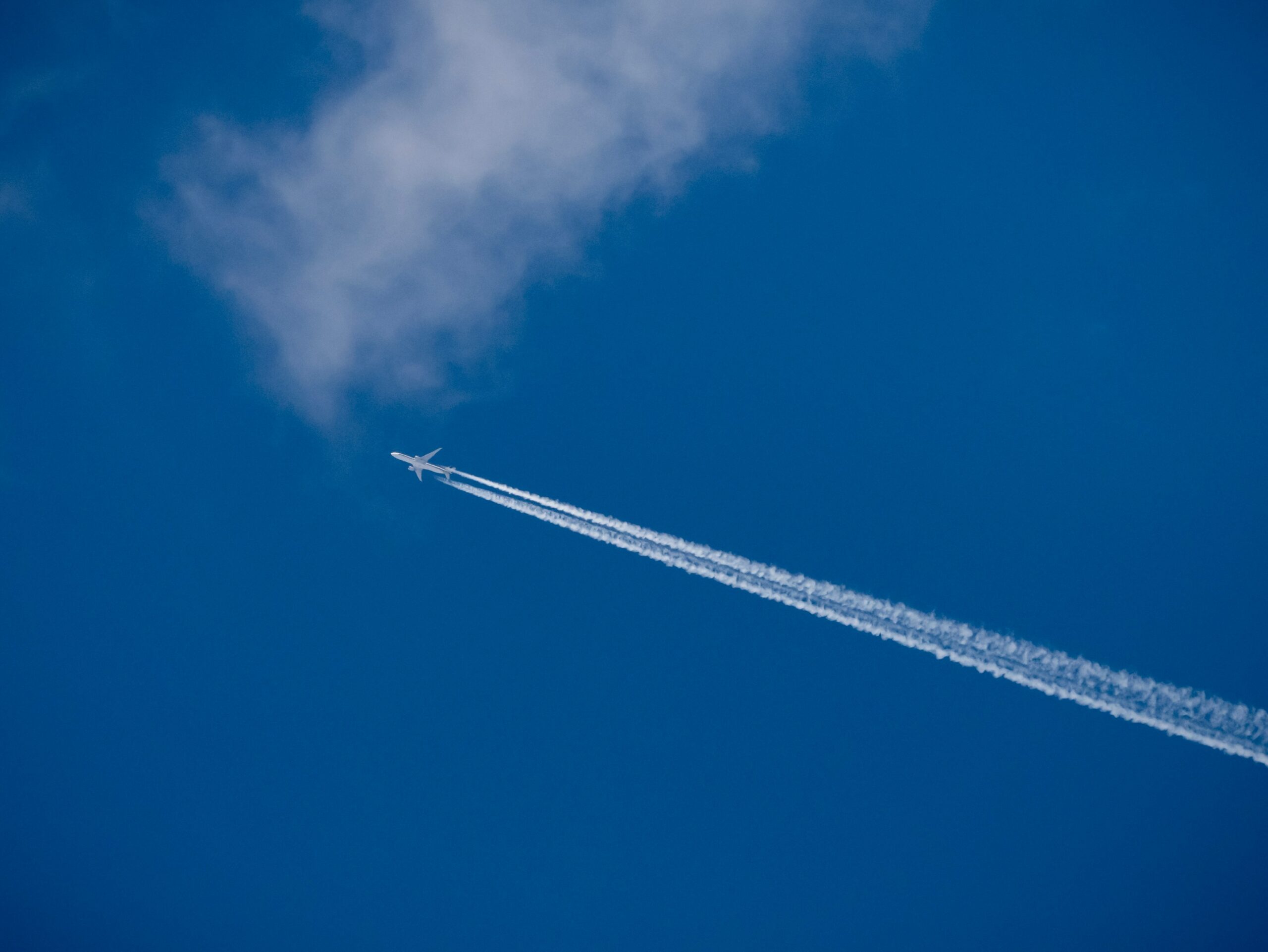
The environmental impact of another runway.
The expansion in the number of travellers from 80 million to 140 million would increase pollution due to the increase in flights and demand for flights. In addition to this, the third runway would require major demolition of an estimated 750 homes.
All of these homeowners would need compensation and re-housing, which, given the UK housing market at the moment, particularly in London, would be a near impossible task.
It would also cause severe damage to the 900 acres of the Colne Valley Regional Park, affecting wildlife and biodiversity. Additionally, London Heathrow is one of the busiest airports in the world, therefore with a third runway, the amount of infrastructure that would need to be put in place to accommodate the new influx of travellers would be immense.
What do you think about the damaging effects of the creation of Heathrow’s third runway? Let us know in the comments below.