By using this site, you agree to the Privacy Policy and Terms of Use.
Accept
Travel Radar - Aviation NewsTravel Radar - Aviation News
  • Breaking News
  • Aviation
    • Aircraft
    • Airlines
    • Airshow & Events
    • Careers
    • Manufacturing
  • Travel
    • Airports
    • Points & Loyalty
    • Technology
    • Trip Reviews
  • Newsletters
  • Aircraft for Sale
Reading: Topsoe Backs China’s Growing Sustainable Aviation Fuel Industry
Share
Sign In
Notification Show More
Font ResizerAa
Font ResizerAa
Travel Radar - Aviation NewsTravel Radar - Aviation News
  • Breaking News
  • Aviation
  • Travel
  • Newsletters
  • Aircraft for Sale
  • Breaking News
  • Aviation
    • Aircraft
    • Airlines
    • Airshow & Events
    • Careers
    • Manufacturing
  • Travel
    • Airports
    • Points & Loyalty
    • Technology
    • Trip Reviews
  • Newsletters
  • Aircraft for Sale
Signin Sign In
Follow US
Copyright © Travel Radar Media Ltd. 2025 | All Rights Reserved
Travel Radar - Aviation News > News > Aviation > Airline Economics > Topsoe Backs China’s Growing Sustainable Aviation Fuel Industry
Airline EconomicsAviationDid You KnowTravel Radar

Topsoe Backs China’s Growing Sustainable Aviation Fuel Industry

Harmia Amadi
Last updated: 1 February 2026 10:06
By Harmia Amadi
5 Min Read
Share
Aircraft wing over the ocean at sunset illustrating China sustainable aviation fuel, Topsoe SAF, SAF production China, China SAF production capacity expansion, and sustainable aviation fuel projects in China.
Aircraft wing over the ocean © Tang Yanbin
SHARE

As China accelerates its sustainable aviation fuel (SAF) rollout, Danish technology firm Topsoe is becoming a key player in China sustainable aviation fuel development. With multiple Topsoe SAF projects supporting SAF production China and China SAF production capacity expansion, the company is helping deliver large-scale sustainable aviation fuel projects in China under the country’s dual-carbon strategy.

Summary
Why Topsoe Matters for China’s SAF AmbitionsA Growing Network of Sustainable Aviation Fuel ProjectsHow Topsoe SAF Technology Turns Waste into Jet FuelChina’s Long-Term SAF Targets and What It Means for Aviation
Topsoe SAF technology supporting China sustainable aviation fuel and SAF production China as part of China SAF production capacity expansion and sustainable aviation fuel projects in China.
Topsoe Logo © Topsoe

Why Topsoe Matters for China’s SAF Ambitions

Topsoe specialises in turning waste materials, such as used cooking oil, animal fats and biomass, into jet fuel that can be used in aircraft without any engine modifications. This means airlines can use the fuel straight away, without needing new aircraft or new airport infrastructure.

By early 2026, Topsoe had secured four major production contracts in China, placing the company among the most important technology providers supporting SAF production China as the sector moves beyond the initial projects phase.
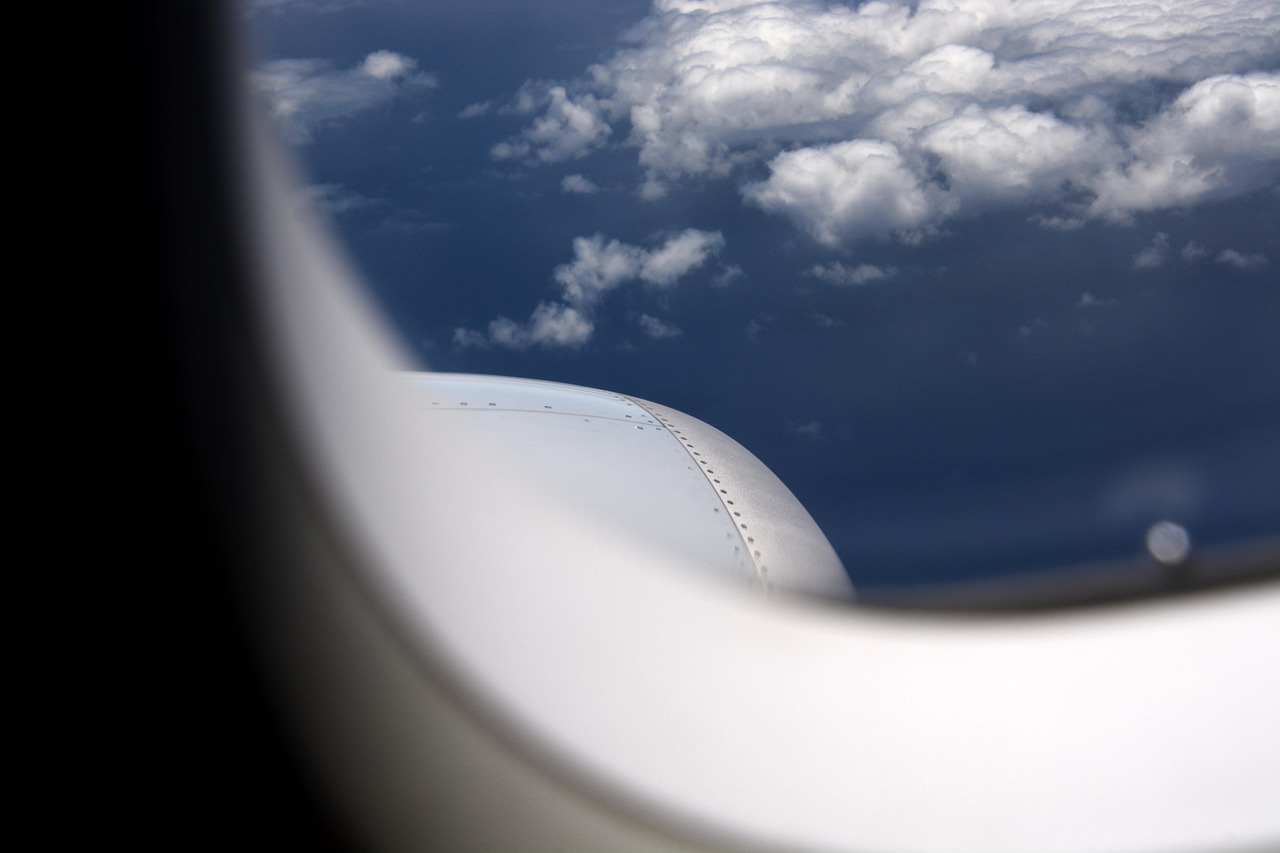
Aircraft engine view from a passenger window illustrating China sustainable aviation fuel and Topsoe SAF supporting SAF production China, China SAF production capacity expansion, and sustainable aviation fuel projects in China.
View from an aircraft window showing an engine and clouds © Anne Kroiss

A Growing Network of Sustainable Aviation Fuel Projects

Several Chinese energy and biofuel companies are building large SAF plants as part of China sustainable aviation fuel growth. Topsoe SAF is providing the main technology for these projects, helping increase SAF production China.

In Hebei province, Zhongneng Yida New Energy is building a plant in Shijiazhuang that will produce 400,000 tonnes of SAF per year. Construction started in late 2025, and the plant is expected to begin operating in the first half of 2027. The project could make about $754 million per year and cut around 930,000 tonnes of CO₂e emissions annually, supporting China SAF production capacity expansion.

Other sustainable aviation fuel projects in China are also moving forward. In Zhejiang, Zhejiang Jianglan New Energy is developing a plant in Zhoushan that aims to produce 300,000 tonnes of SAF per year from December 2026. In Guangxi, Chuangui New Energy is building a facility in Qinzhou to turn 300,000 tonnes of waste oils and fats into SAF and renewable diesel, also starting in December 2026.

Topsoe signed its first SAF deal in China in April 2024 with Guangxi Hongkun Biomass Fuel, with production expected in early 2026. In January 2026, Tangshan Jinlihai Biotechnology also chose Topsoe SAF technology for another plant in Hebei, adding to the growing list of sustainable aviation fuel projects in China.
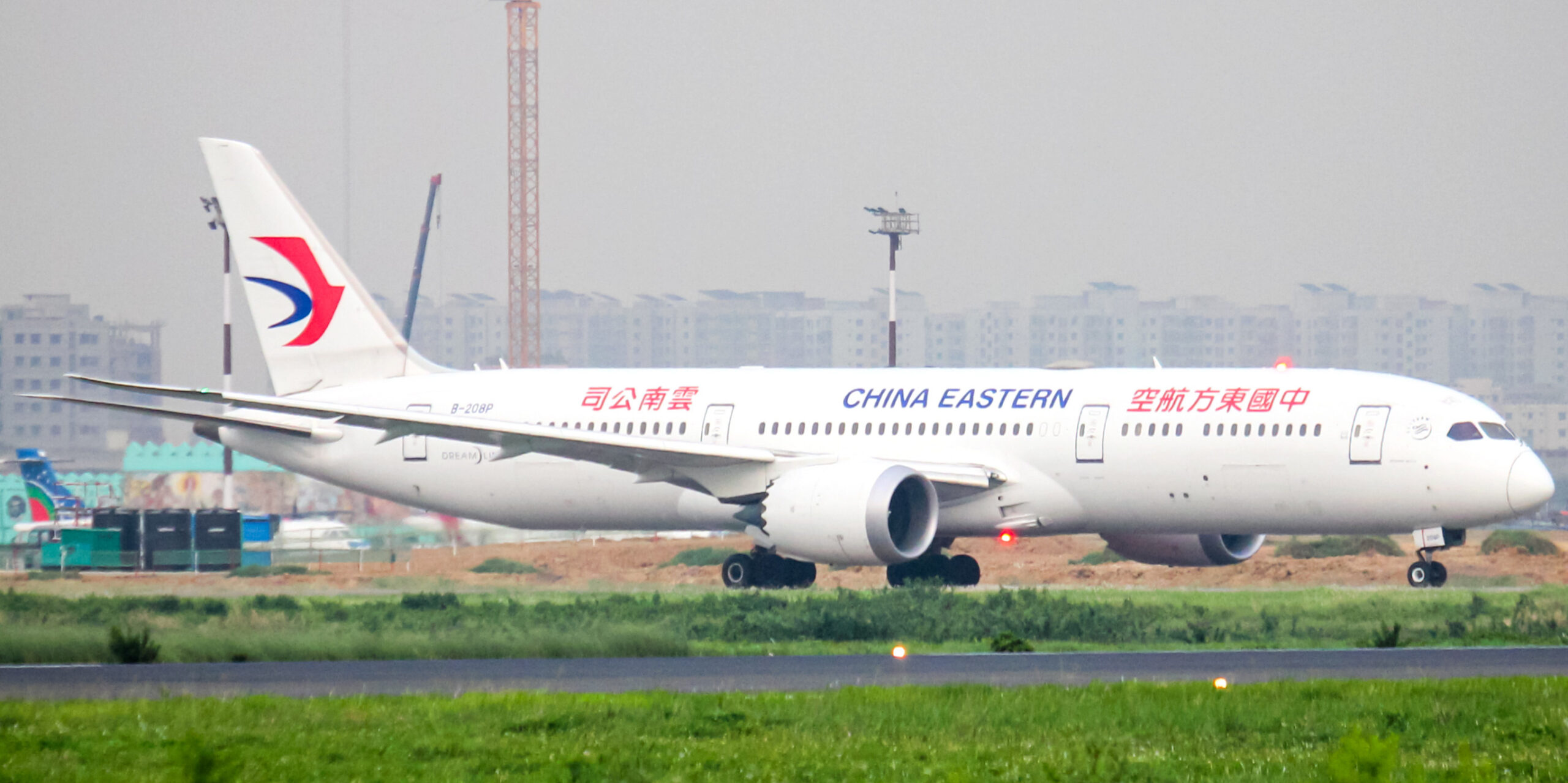
A white China Eastern Airlines Boeing 787 Dreamliner on a runway with a city skyline in the background.
A China Eastern Airlines Boeing 787 Dreamliner taxiing on the runway at an airport © Shaifuzzaman Ayon

How Topsoe SAF Technology Turns Waste into Jet Fuel

In simple terms, Topsoe’s technology sits at the centre of China sustainable aviation fuel production, helping turn waste into jet fuel while reducing emissions through low-carbon hydrogen.

  • HydroFlex™ converts fats, oils and greases into jet fuel and renewable diesel.

  • Proprietary catalysts remove oxygen and sulfur and restructure molecules into aviation-grade hydrocarbons.

  • H2bridge™ supports a low-carbon hydrogen supply, lowering the lifecycle emissions of SAF production.

  • Solid Oxide Electrolyzer Cell (SOEC) technology is 20-30% more efficient than conventional electrolysis, supporting green hydrogen and future synthetic aviation fuels.

Biofuel droplets in liquid representing China sustainable aviation fuel, Topsoe SAF, SAF production China, China SAF production capacity expansion, and sustainable aviation fuel projects in China.
Close-up view of liquid biofuel with oil droplets suspended in the mixture © Steve Jurvetson

China’s Long-Term SAF Targets and What It Means for Aviation

These projects support China’s goal to reach carbon neutrality by 2060. The Civil Aviation Administration of China plans to increase SAF consumption to 45 million metric tonnes by 2050, up from around 50,000 tonnes today, highlighting the scale of China SAF production capacity expansion still required.

Initially, production from plants such as Zhejiang Jianglan and Zhongneng Yida is expected to be exported to Europe, where SAF mandates and incentives are more advanced. Over time, output is likely to shift toward China’s domestic aviation market as policy support and airline demand increase.

With several large SAF plants scheduled to start operating between 2026 and 2027, SAF production in China is moving beyond small trials to full industrial output. The expansion of China sustainable aviation fuel capacity could influence how much SAF is available worldwide, how it is priced, and where it is traded.

What do you think about China’s rapid sustainable aviation fuel expansion? Read more about latest SAF news here and let us know your thoughts in the comments.


You Might Also Like

easyJet loses appeal against Italian COVID fine
United Airlines is the first U.S. airline to resume Tel Aviv flights
IndiGo Extends codeshare agreement with KLM to enhance connectivity across Europe and the UK
Boeing Asked to Divest Key Spirit Assets Ahead of Proposed Merger
The Top 5 Airlines If You Like To Arrive On Time
Share This Article
Facebook Twitter Email Copy Link
What’s your thoughts?
Love0
Sad0
Happy0
Angry0
Harmia Amadi
ByHarmia Amadi
Follow:
Aviation Reporter - A cabin manager with a background spanning aviation, geopolitics, human rights, the arts and a passion for storytelling. With years in the skies and hands on experience reporting on geopolitics & European markets, I am curious to write from both inside & outside the aviation industry, with an eye on how travel reflects wider trends ✨
Previous Article airliner flying in clear skies How aircraft tariffs shape commercial aviation
Next Article Illustration of an aircraft flying upward with cloud bubbles, symbolising aviation emissions, sustainable aviation fuel, decarbonising aviation costs $5tn and the zero aviation transition. Who Pays to Decarbonise Aviation? The $5 Trillion Question
Subscribe
Login
Notify of
guest

guest

0 Comments
Oldest
Newest Upvoted
Inline Feedbacks
View all comments

Stay Connected

FacebookLike
TwitterFollow
InstagramFollow
YoutubeSubscribe

Trending News

Illustration of an aircraft flying upward with cloud bubbles, symbolising aviation emissions, sustainable aviation fuel, decarbonising aviation costs $5tn and the zero aviation transition.
Who Pays to Decarbonise Aviation? The $5 Trillion Question
Airline Economics Airlines Aviation Did You Know Travel Radar
airliner flying in clear skies
How aircraft tariffs shape commercial aviation
Aviation Did You Know Manufacturing Travel
Woman listening to Auracast bluetooth announcments
Frankfurt Airport Trials New Bluetooth Technology For Gate Announcements to Improve Accessibility
Airports Technology Travel
American airlines BOeing 737 aircraft. US mandates 25 hour flight recordings on CVRs
US Mandates Aircraft to Keep 25-hour Cockpit Voice Recordings Under New FAA Rule
Aircraft Aviation Incidents & Accidents Manufacturing
Eurowings launches two new routes from London Gatwick. Eurowings aircraft flying from Gatwick mockup
Eurowings Launches Two New Routes from Gatwick
Airlines Airports Aviation Route Development Travel

Travel Radar is the leading digital hub for all things aviation and air-travel. Discover our latest aviation news, aviation data, insight and analysis.


Discover

  • Latest News
  • Subscribe
  • Weekly Digest
  • Contact Us
  • Privacy Policy
  • About Us
  • Advertising
  • Media Coverage
  • Press & Events
  • Join Our Team
  • Our Brands

Signup to our Newsletter!

And get the latest aviation news via our weekly news digest!

© Travel Radar Media Ltd. 2015-2026 | ISSN #2635-0696 | Trademark #UK00003579704
wpDiscuz
adbanner
Welcome to the TR Community!

Sign in to your account

Not a member? Sign Up