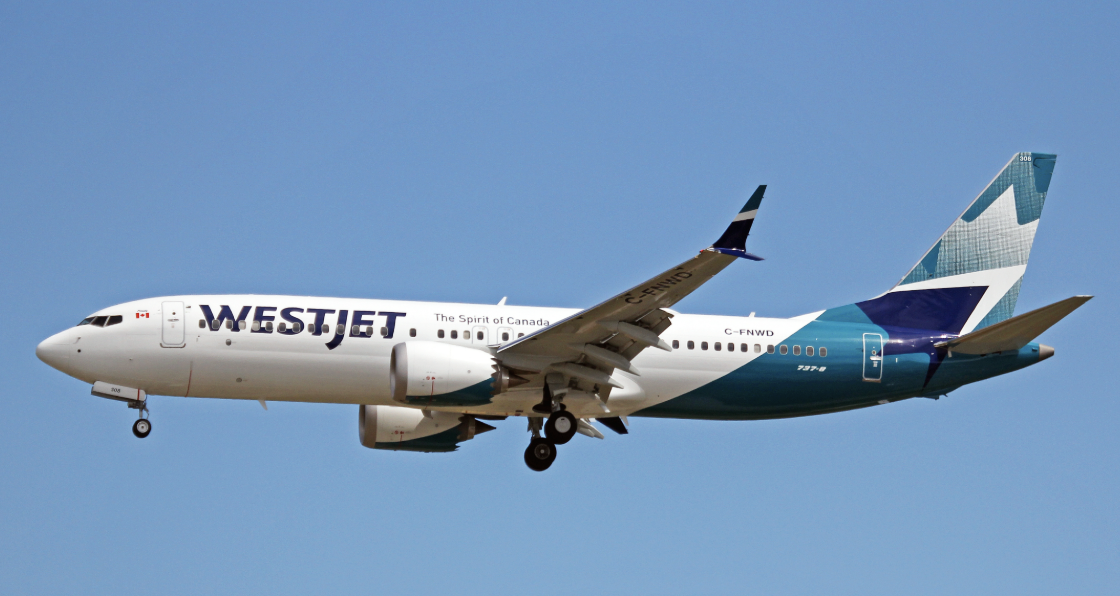
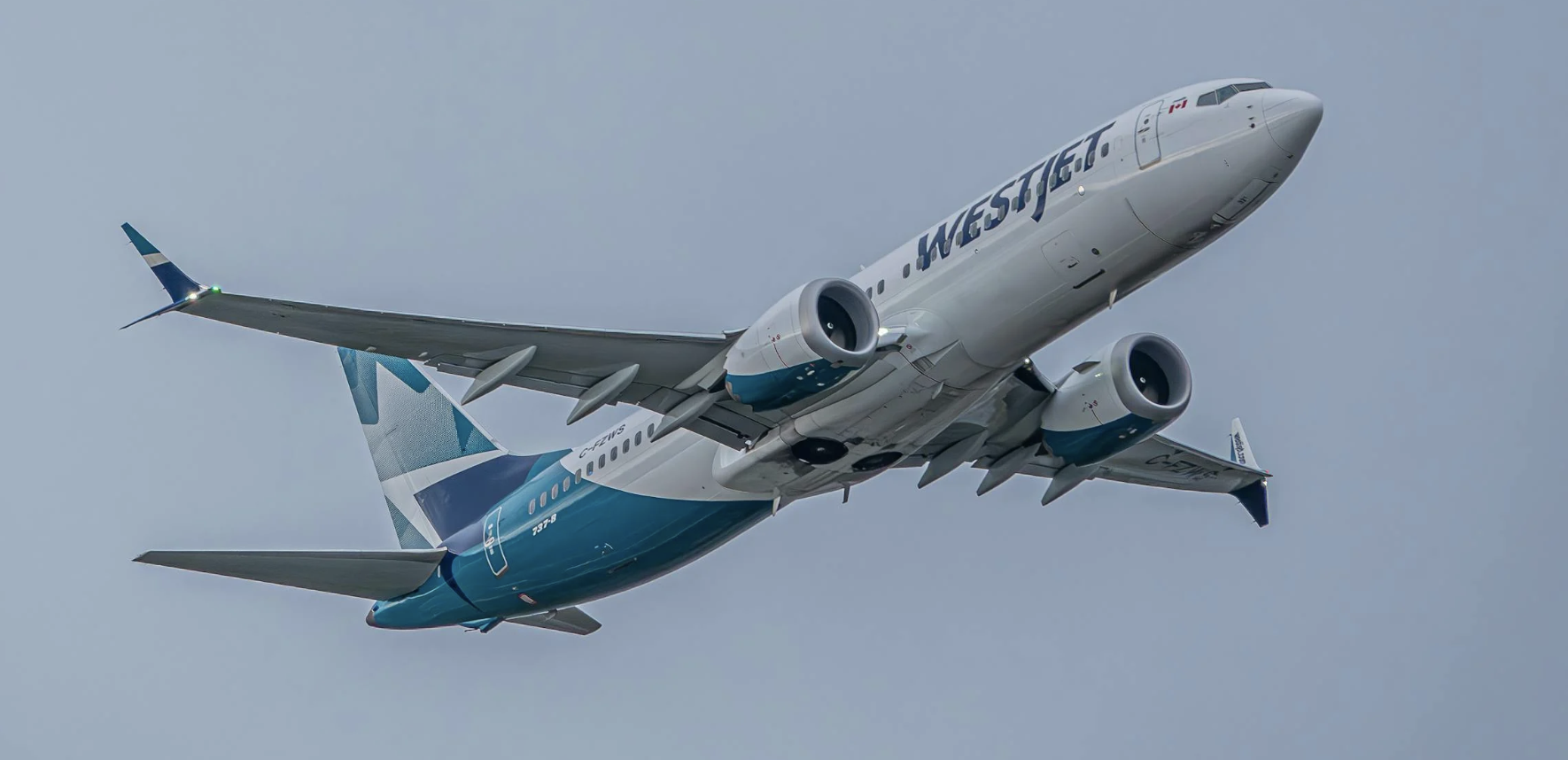
Low-cost Canadian Carrier WestJet are returning to their old configuration on select Boeing 737 aircraft after changes which included adding an extra row of seats received negative customer feedback.
What did the changes include?
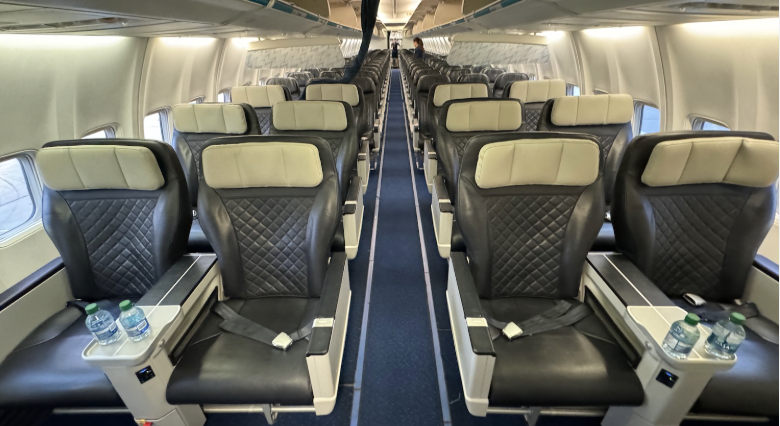
WestJet’s original Boeing 737 layout included 174 seats, in a 3-3 configuration in economy class and a 2-2 configuration in Premium, however in Autumn of 2025, the carrier began to make changes on 21 of their fleet, including adding one row of seats in the back of the plane and lowering the seat pitch to 29″ in rows 15-19, and 28″ in rows 20-31.
In these same changes, they also removed a Business class cabin, meaning that flyers could only choose between Premium and Economy cabins.
The low-cost airline originally aimed to gradually reconfigure 43 of its planes and finalise this by mid-February 2026. However, this was brought to a pause in December after a large number of passengers expressed anger and disappointment at the changes. The airline accelerated the review of its seat configuration decision in January.
So why has WestJet decided to take a U-turn?
CEO of WestJet Group, Alexis Von Hoensbroech, has attributed the decision to the guest experience. He commented on the situation:
“WestJet tried seat pitches that are popular with many airlines around the globe as they serve to provide affordable airfares. As an entrepreneurial airline founded on making air travel affordable to Canadians it’s in our DNA to try new products. At the same time, it is just as important to react quickly if they don’t meet the needs of our guests.”
WestJet aims to show that its main priority will be guest experience, after Von Hoensbroech also added:
“It is in this spirit that we will take what we’ve learned and continue to be cost-disciplined and innovative, while staying true to what our guests and our people expect from us.”
Do you think WestJet was right to U-turn so quickly after feedback? Let us know in the comments.