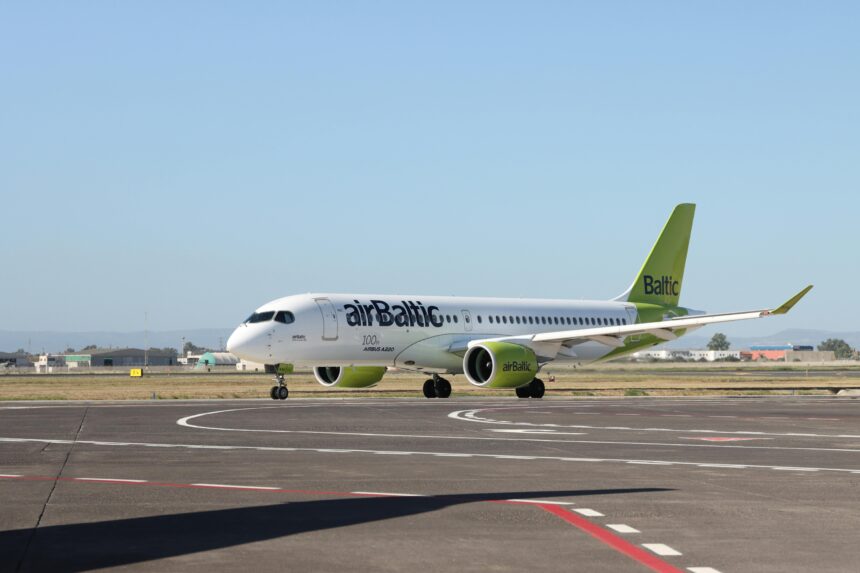
Latvian airline airBaltic has closed 2025 with record passenger numbers, expanded connectivity, and major investments in fleet, technology, and training, capping off a year that also marked the company’s 30th anniversary.
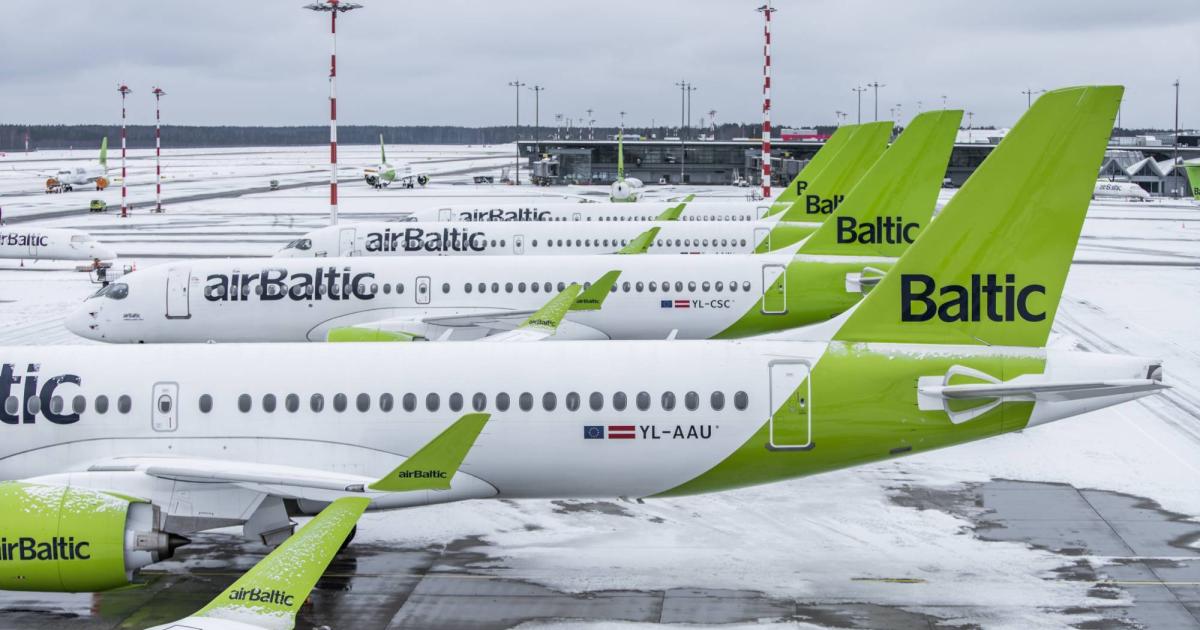
The year 2025 for airBaltic
The airline operated 133 routes to 82 destinations in 38 countries, flying more than 47,000 flights during the year—up 2.6% from 2024—and carrying over 5.2 million passengers, the highest annual total in its history. Passenger numbers rose by nearly 1.4% year-on-year, reflecting sustained demand across leisure and business markets. Punctuality also improved, reaching 77%, up 3.4 percentage points compared to the previous year.
Erno Hildén, who joined as Chief Executive Officer at the end of 2025, said the airline is focused on reliability and quality as it looks ahead.
“Our priority is to be the airline of choice for travellers from the Baltic region—trusted for reliability, convenience, and a consistently high-quality experience,” Hildén said, adding that investments in fleet efficiency and service quality will continue in 2026
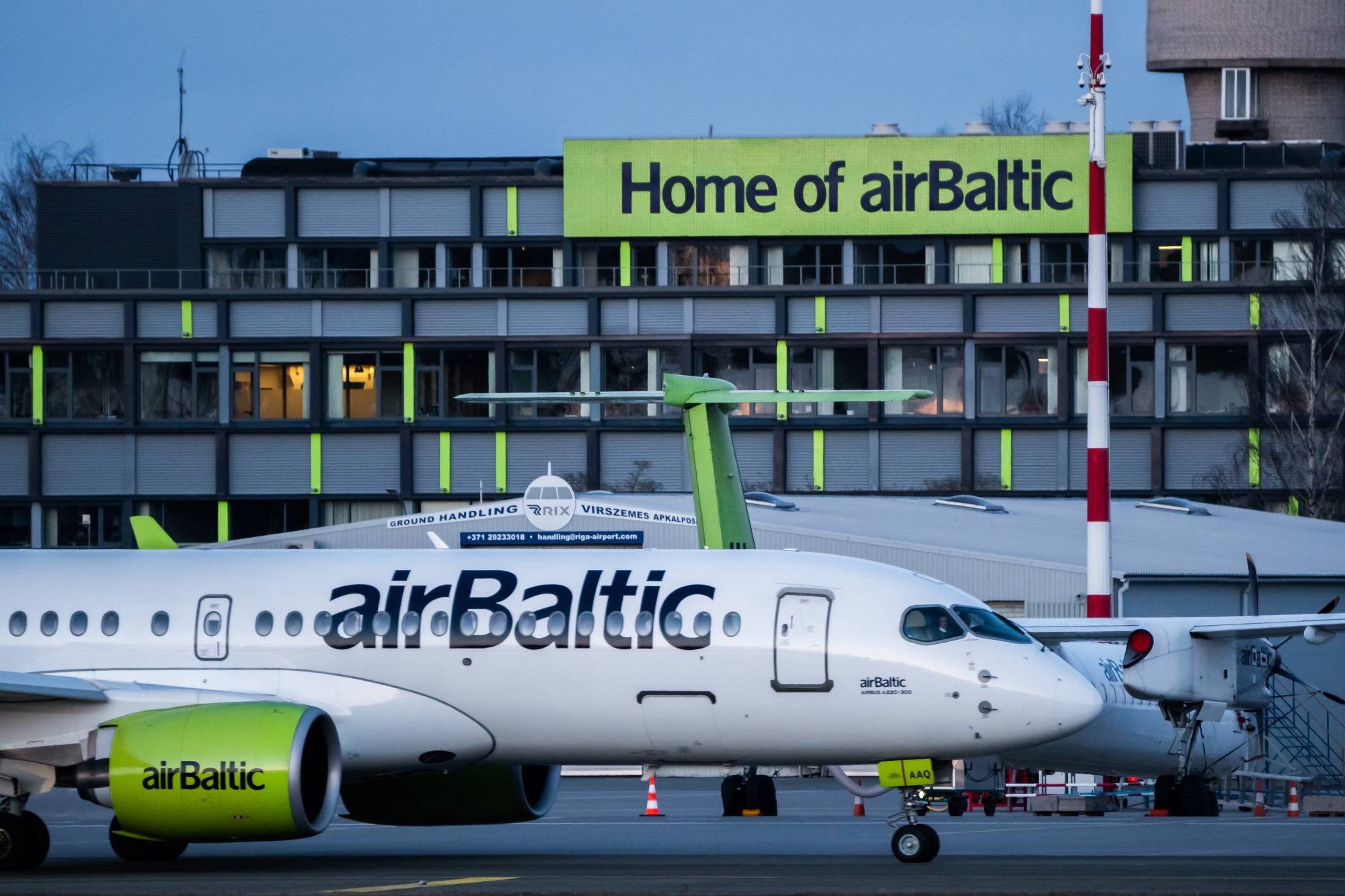
Expanding Network and Demand
From Riga, the airline’s most popular destinations included Copenhagen, Amsterdam, Dubai, Paris, London Gatwick, Vienna, Rome, and Zurich. From Vilnius and Tallinn, strong demand was seen for routes such as Amsterdam, Paris, Munich, Berlin, Tenerife, and Lisbon.
The airline also celebrated several route anniversaries, including 20 years of service between Riga and Barcelona and 30 years of flights connecting Riga with Stockholm and Helsinki.
Customer experience remained a central focus in 2025. airBaltic began installing SpaceX Starlink high-speed internet across its fleet, becoming the first European airline to offer the service. By year-end, 21 aircraft were equipped, with more to follow in 2026.
Fleet expansion continued with the delivery of three new Airbus A220-300 aircraft. The airline also celebrated the arrival of its 50th A220-300, unveiled with a special livery inspired by the nature and symbols of Latvia, Estonia, and Lithuania.
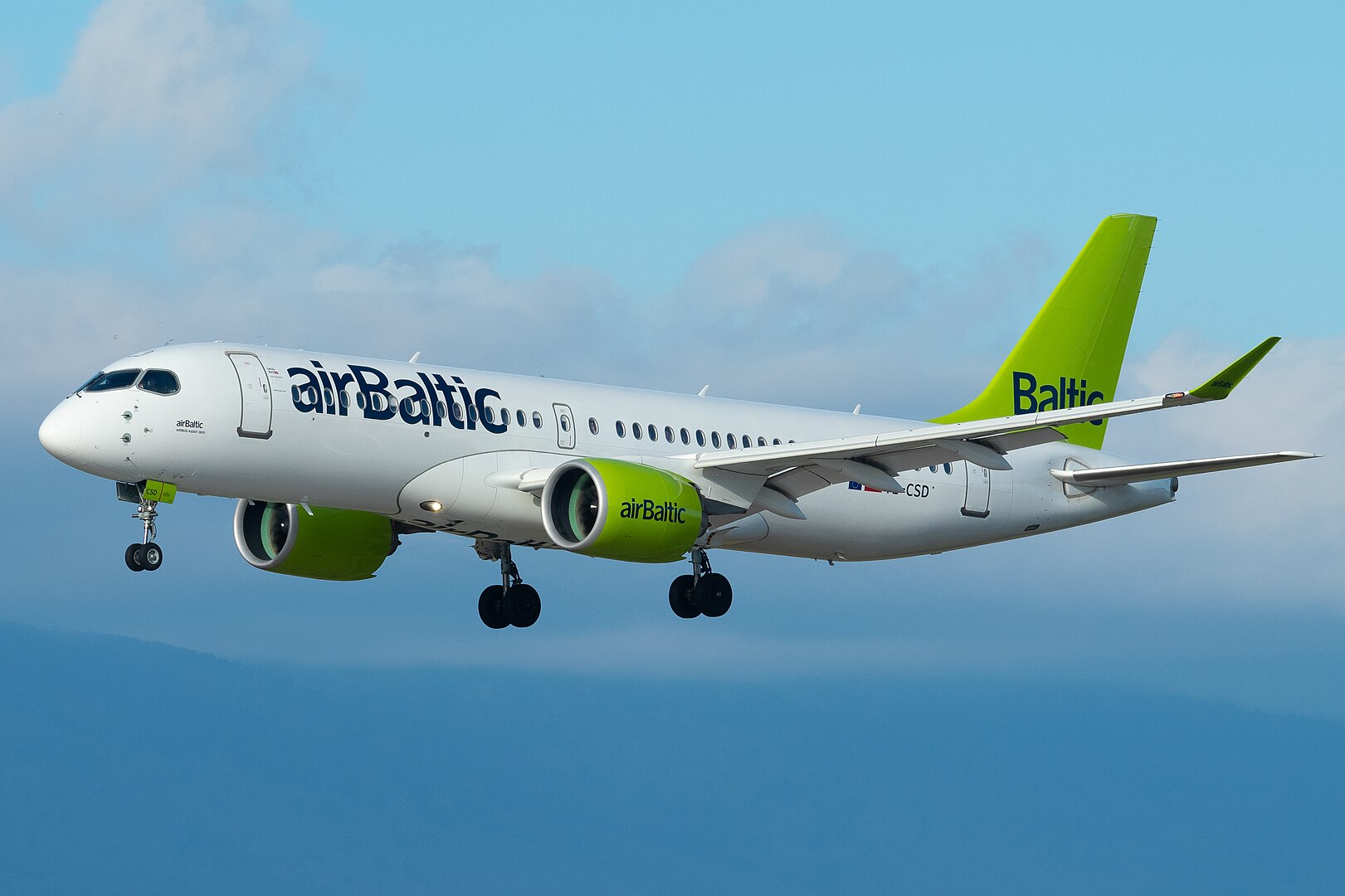
Partnerships, Operations, Cargo, Workforce, and Training
The Lufthansa Group completed its minority investment in airBaltic alongside the Latvian state. Codeshare partnerships expanded with Lufthansa Group carriers and Turkish Airlines, and a new cooperation with Air India was announced to improve connections beyond Europe.
ACMI (Aircraft, Crew, Maintenance, Insurance) operations remained a key revenue stream. airBaltic operated around 30,000 ACMI flights in 2025, a 14.5% increase year-on-year, along with 654 charter flights.
airBaltic maintained its position as the largest air cargo and mail carrier at Riga Airport. A record 3,135 kg of cargo was carried on a single A220 flight from Riga to Chisinau in August. The airline also transported more than 800,000 bags of mail during the year.
The workforce grew by 414 employees, bringing the total staff to nearly 3,000. Investments in training included a new full-flight Airbus A220 simulator, two new hangars, and the opening of the Baltic Cargo Hub—one of the largest air cargo facilities in the region.
The airBaltic Pilot Academy welcomed 62 new cadets, graduated 40 students into operational roles, and ended the year with 157 active students.

Awards and Public Celebrations
airBaltic received multiple international recognitions in 2025, including being named among the World’s Safest Airlines by Airline Ratings and receiving the APEX Five-Star Major Airline Award. Ch-Aviation also recognised the airline for having Europe’s third-youngest aircraft fleet.
The airline’s 30th anniversary was marked with public events throughout the year, culminating on Oct. 1, 2025 1 with a commemorative Riga–Stockholm flight featuring an in-flight choir. airBaltic also took part in Latvia’s national celebrations with a ceremonial flyover in an A220 painted in the colours of the Latvian flag.
What do you think the airline has in store for this year?