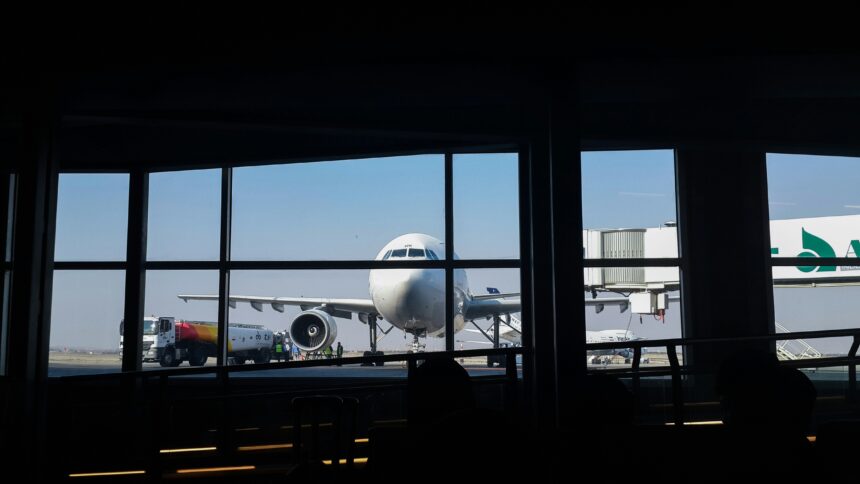
After a nearly five-hour halt, Jan 15, 2026, marked the resumption of air traffic over Iran. Flight suspensions began amid growing tensions involving the United States military presence. Civil aviation faced disruptions during this interval. The pause coincided with assessments by government figures regarding potential American reactions. These considerations stemmed from Tehran’s response to ongoing internal demonstrations.
Timeline Airspace Closure
On Jan 14, 2026, at 22:15 GMT, flight zones closed under new directives detailed in a NOTAM issued by the U.S. Federal Aviation Administration (FAA). Expected to last around two hours, the closure continued past that initial timeframe. Clearance from Iran’s Civil Aviation Organisation became required for any foreign aircraft operating within the period. Ending shortly before 03:00 GMT the next morning, the measure held until then.
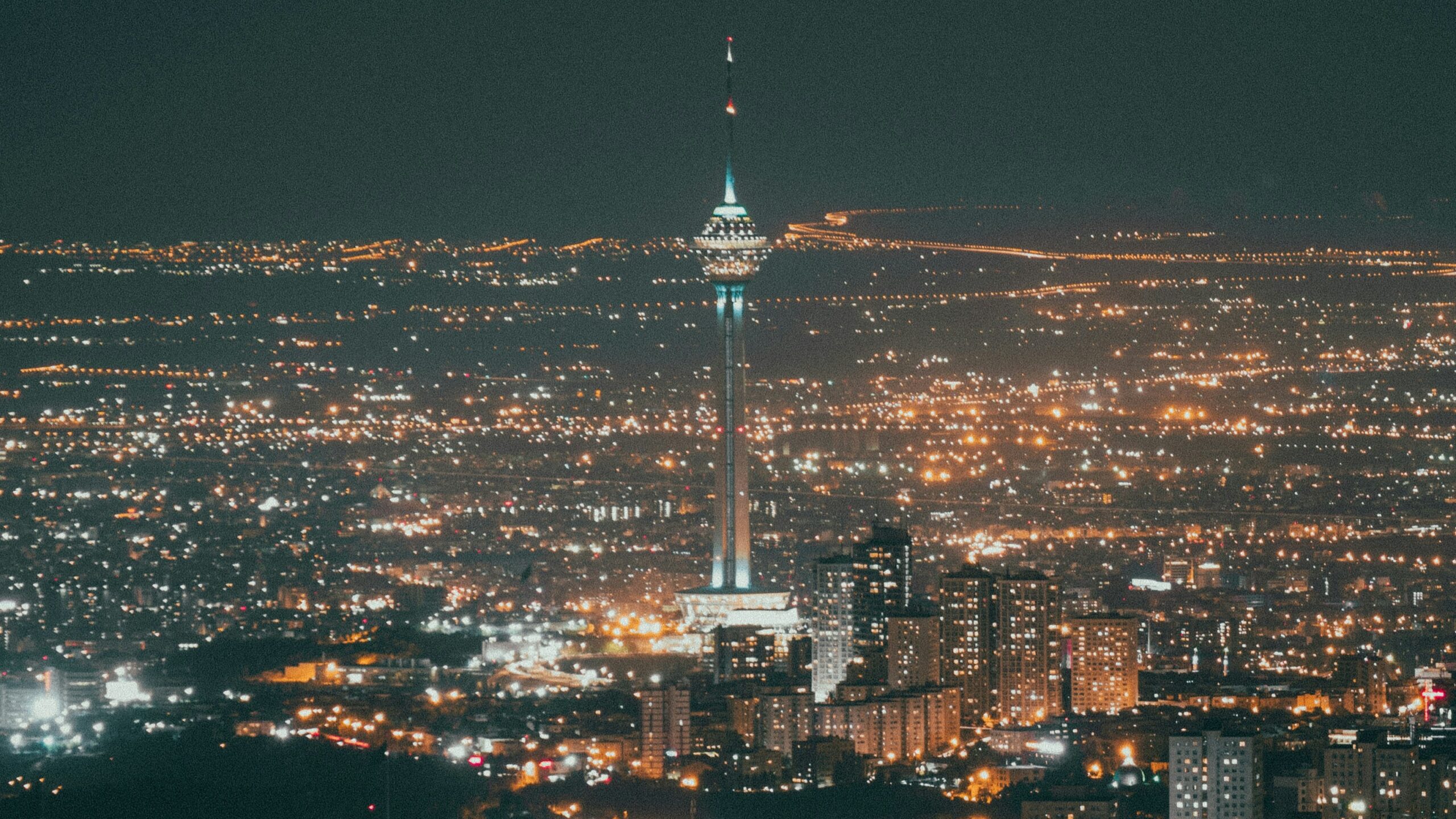
Early that morning, activity resumed in Tehran, the national centre of Iran. Operations within the country’s airspace restarted through carriers including Mahan Air, Yazd Airways, and AVA Airlines. By eight o’clock in the universal time zone, movement toward Tehran, along with other urban centres, appeared clearly on digital tracking systems.

How Airlines and Travelers Are Impacted
Planes were rerouted when Iranian skies shut without warning, altering key paths linking Europe to Asia. As a result, delays spread widely, and cancellations appeared at multiple airports. Instead of standard lanes, flights moved via regions rarely used – some passing near Iraqi territory. Greater flight lengths emerged, demanding more hours airborne plus increased fuel reserves. Under such pressure, weaknesses in shared air management became visible.
Changes affected several carriers, including IndiGo and Air India, each adjusting international flights. Returning to Moscow became necessary for an Aeroflot aircraft en route to Tehran. A flight operated by China may have entered Iranian airspace during the restricted period; however, confirmation is lacking. While details remain unclear, speculation continues around the unauthorised incursion.
Complications arose in crew and aircraft placement. Delays in aligning resources extended recovery times, pushing back flights significantly. Travellers found themselves stranded primarily on routes through the Middle East, many delayed beyond midnight into the following day.
Even under favourable weather conditions globally, European airlines like Lufthansa altered operations abruptly – halting airspace usage over Iran and Iraq indefinitely while restricting landings at Tel Aviv and Amman to daytime hours until 19 Jan. 2026. Under the cover of darkness, flights operated by ITA faced delays much like others. Departing from Dubai, flydubai altered its path to avoid restricted areas. Similarly, the national airline of Turkey chose alternate routes. These choices came in response to risks tied to drones and missiles. Such disruptions began well ahead of the most recent suspension.
On Jan. 15, 2026, at 08:15 GMT, Iranian skies reopened – service levels returned close to usual patterns following earlier disruptions. Disruptions that caused delays or diversions have now stopped occurring. Airlines project full operational recovery within a forty-eight-hour window, although some carriers may still apply internal restrictions. Even under current stable circumstances, oversight groups, including OPSGROUP’s Safe Airspace, highlight risks of abrupt closures returning without notice.

Travellers – What You Need To Know
Travellers moving through or toward Iran should consult up-to-date notices from aviation authorities, such as the FAA and EASA. Contacting airlines directly might reveal adjustments relevant to personal itineraries. Flexibility in booking rules can prove beneficial when situations evolve. Insurance options covering political unrest tend to offer sensible safeguards.
When flights change, travellers may adjust bookings free of charge along affected routes. Even so, changes are allowed solely when essential. Due to the potential for abrupt detention or unrest, American officials recommend avoiding travel to Iran. The advisory remains at its most severe stage. Trips considered unnecessary might require reassessment.
Want to stay up-to-date with all things aviation? Subscribe to Travel Radar today.