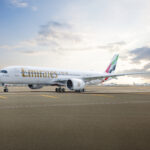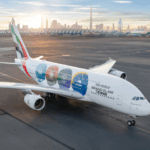
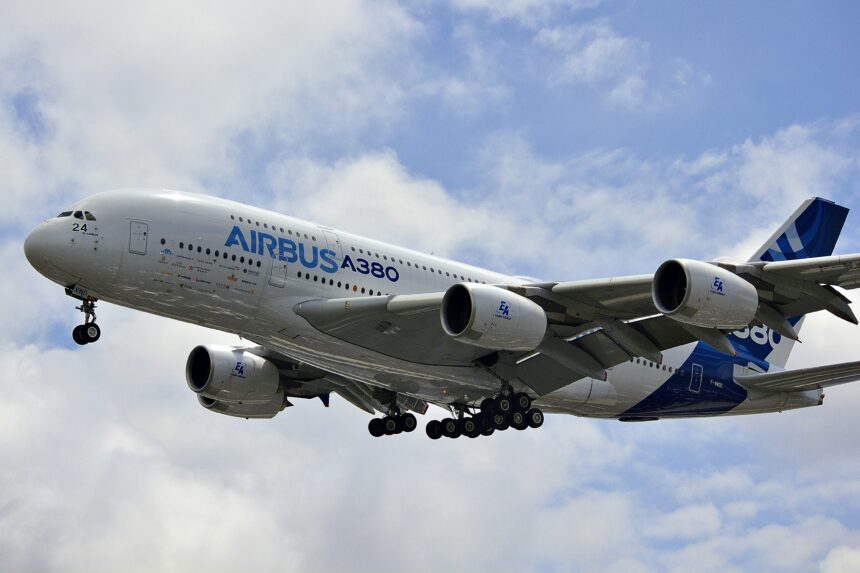
Airbus strengthened its position as the world’s largest aircraft manufacturer in 2025 after increasing deliveries by 4% to 793 aircraft, despite ongoing industrial challenges and uncertainty over engine supplies. The European planemaker edged past its revised delivery target of around 790 jets, reinforcing its lead over US rival Boeing in a fiercely competitive global market.
Deliveries Rise Despite Production Hurdles
Airbus had lowered its original 2025 delivery goal from 820 aircraft after problems emerged at a Spanish supplier producing fuselage panels. Even so, the final tally showed steady progress, though still 70 aircraft short of the company’s 2019 peak of 863 deliveries.
The manufacturer also recorded 1,000 gross orders last year, or 889 net orders after cancellations, an improvement on the previous year. Boeing, which is due to release its full-year figures shortly, delivered 537 jets by the end of November, giving Airbus a commanding lead as both companies continue to recover from years of disruption.
Analysts say the figures highlight lingering weaknesses across aerospace supply chains, still affected by the COVID-19 pandemic that upended global manufacturing five years ago.
“It illustrates an increasingly complex supply chain that they are not fully on top of,” said independent aviation analyst Rob Morris.
Engine Delays Cast a Shadow
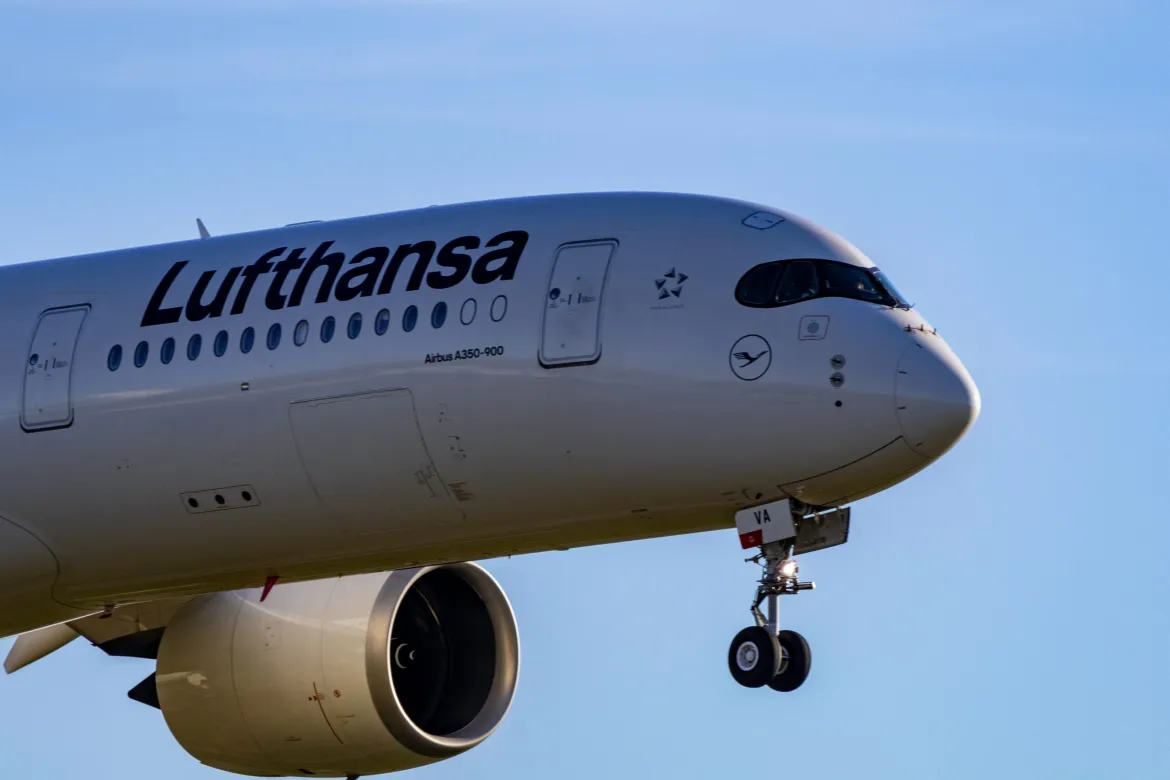
While Airbus executives struck an optimistic tone, concerns remain over engine availability, particularly for the A320neo family, the company’s best-selling aircraft. Outgoing planemaking CEO Christian Scherer acknowledged that engines continue to arrive “very, very late,” with delays expected to extend into 2026, especially from supplier Pratt & Whitney.
Airbus has yet to reach a long-term agreement with the US engine maker over future supply volumes, an issue typically resolved well in advance. Deliveries are critical for manufacturers, as aircraft handovers represent the point at which most cash is generated.
Orders, Competition and Market Outlook
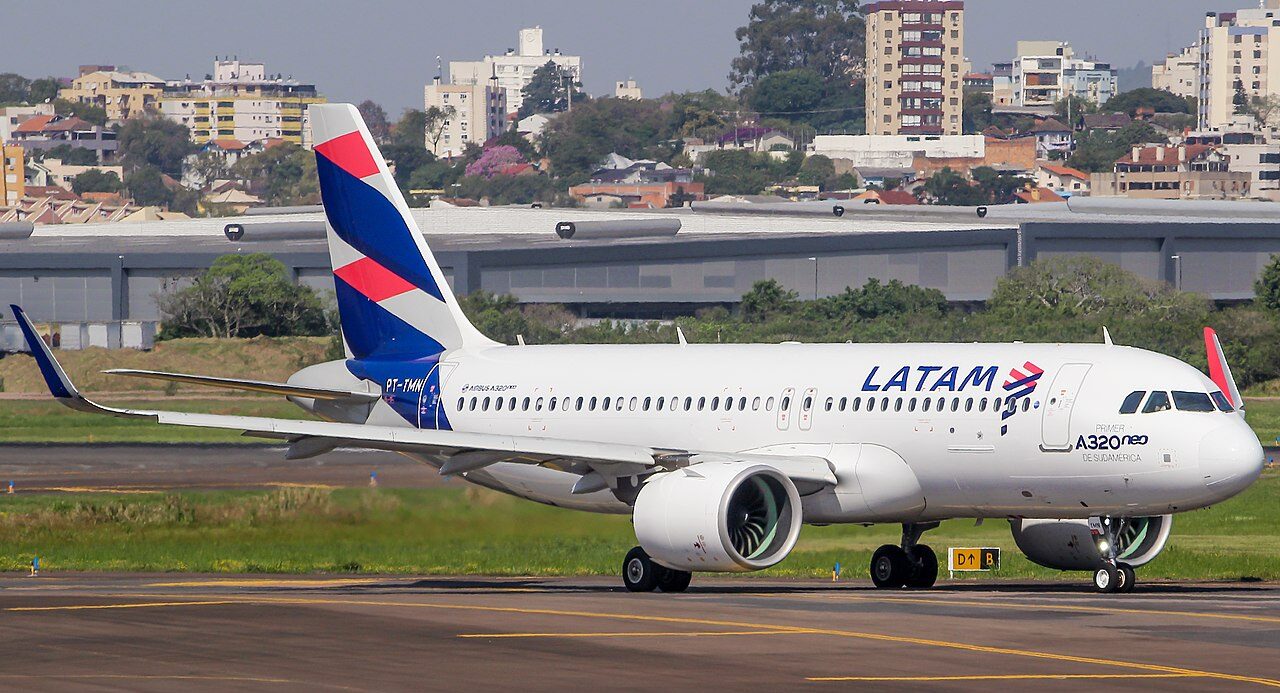
Last year’s deliveries included 607 A320neo jets, while wide-body aircraft such as the A330 saw modest growth. The A220 stood out, with deliveries rising 24% to 93 aircraft. Airbus also secured fresh orders from China in December, though hopes of a mega-deal for up to 500 aircraft failed to materialise.
Despite conceding that Boeing may regain ground on new orders, Scherer welcomed signs of stability returning to the jet market. “This competition is good,” he said, describing Boeing’s recovery as a positive development for the industry.
What do you think matters more for airlines today? Share your views on how manufacturers should navigate ongoing industry challenges.