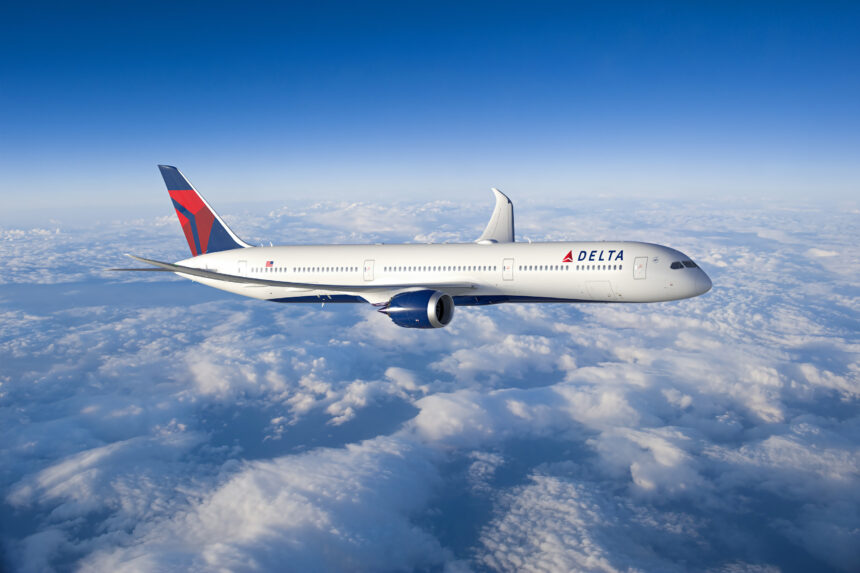
Delta Air Lines has placed a major order for up to 60 Boeing 787 Dreamliners, marking its first direct purchase of the widebody aircraft and signalling a renewed push into long-haul international markets. The deal includes 30 firm orders for the 787-10, with options for 30 more, giving the US carrier flexibility as it plans future network expansion.
Delta Expands Long-Haul Ambitions
The new aircraft will support Delta Air Lines’ growth on high-demand transatlantic and South American routes, while gradually replacing older, less fuel-efficient widebody jets. The move comes as airlines worldwide focus on modernising fleets to meet rising travel demand and stricter sustainability goals.
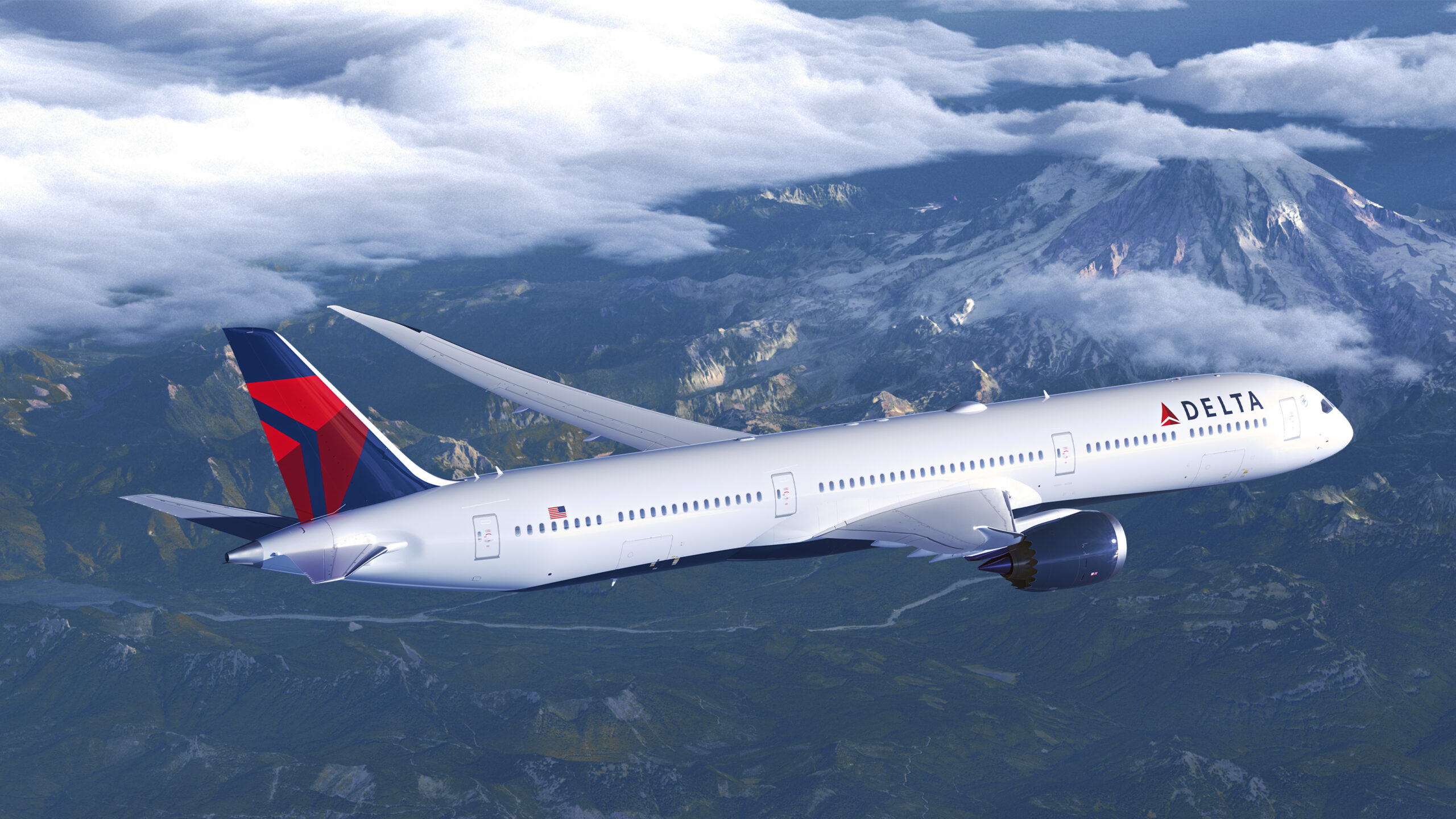
The Boeing 787-10, the largest variant of the Dreamliner family, can carry up to 336 passengers and uses around 25% less fuel than the aircraft it is expected to replace. This efficiency translates into lower operating costs per seat, a critical factor for airlines navigating volatile fuel prices and competitive international markets.
For passengers, the Dreamliner offers notable comfort upgrades, including the largest windows of any widebody aircraft and a cabin pressurised at a lower altitude. These features are designed to reduce fatigue on long journeys, helping travellers arrive feeling more refreshed. Delta has stated that the aircraft will play a key role in enhancing its premium long-haul experience.
Strengthening a Longstanding Partnership
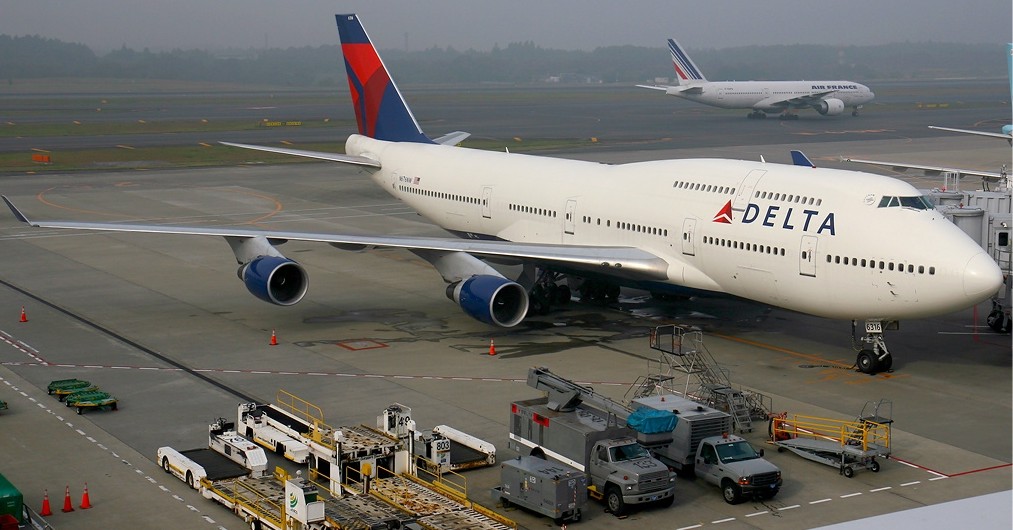
The order further deepens Delta’s long relationship with Boeing, whose aircraft have been a mainstay of the airline’s fleet for decades. Delta currently operates more than 460 Boeing aircraft, spanning both single-aisle and widebody models.
With this latest purchase, Delta’s Boeing order book now stands at 130 aircraft, including 100 737-10 jets. Together, the 787-10 and 737-10 are expected to give the airline greater flexibility to serve more destinations while improving efficiency across its network.
The deal also supports US aerospace manufacturing jobs, reinforcing Boeing’s role as a key exporter and industrial employer as global aviation continues its recovery and transformation.
Will newer, greener widebodies change how you choose long-haul flights? Share your views in the comments below.