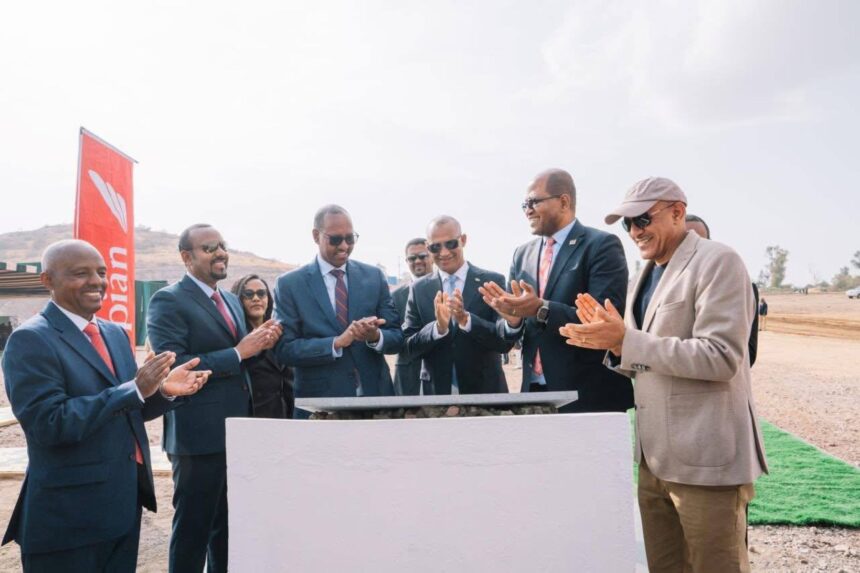
Ethiopian Airlines has officially commenced construction of the colossal Bishoftu International Airport. The ground-breaking ceremony on January 10, 2026, marks the start of the $12.5 billion project, set to become Africa’s largest aviation hub with an ultimate capacity for 110 million annual passengers.
Why Ethiopia Needs a New Hub
The new airport is a strategic response to Addis Ababa Bole International Airport nearing its capacity. Bole International Airport, which can only handle about 25 million passengers a year, is already Africa’s third-busiest airport. Bishoftu’s first phase is set to be done by 2030. It will handle 60 million travellers annually with two terminals and two parallel runways. This is a key step in implementing the African Continental Free Trade Area (AfCFTA).
Ethiopian Airlines Group CEO, Mr Mesfin Tasew, stated the project
“Will redefine the continent’s aviation ecosystem.”
Backing this statement, Prime Minister Abiy Ahmed called it
“The largest aviation infrastructure project in Africa’s history.”
Links, Location and Funding
The project’s cost has increased from the initial $10 billion to $12.5 billion. Ethiopian Airlines will fund 30%. The remaining 70% will be from outside lenders. The African Development Bank has committed $500 million, and there are efforts to raise a further $8.7 billion.
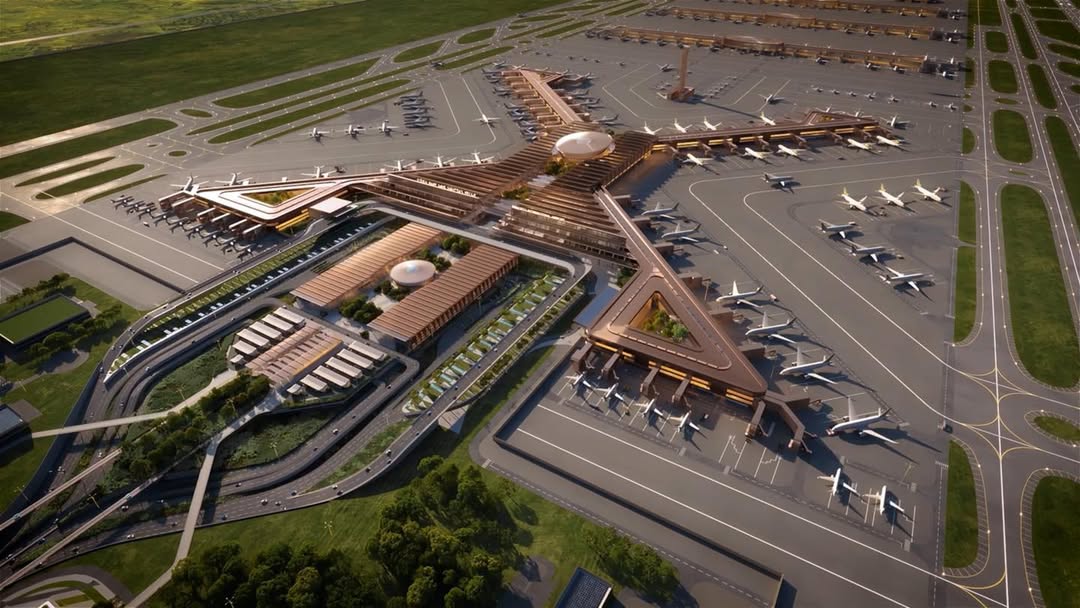
Located 40 kilometres southeast of the capital, early groundwork has already started on the site. With a budget of $610 million, it is scheduled for completion within a year. Main construction will begin in August 2026. When fully built, the four-runway airport will include a cargo hub, a hotel, and high-speed rail and road links to the capital.
Will this new airport make Ethiopia Africa’s top travel hub? Tell us your thoughts below.