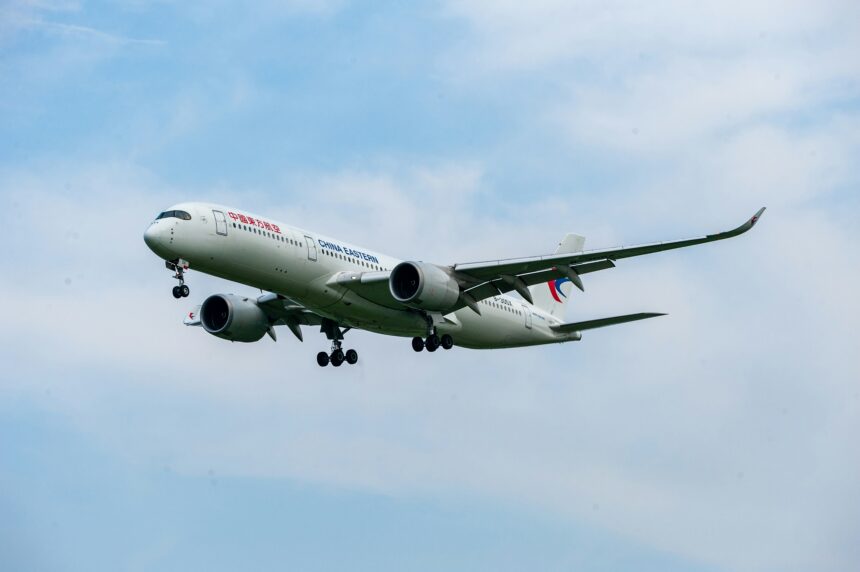
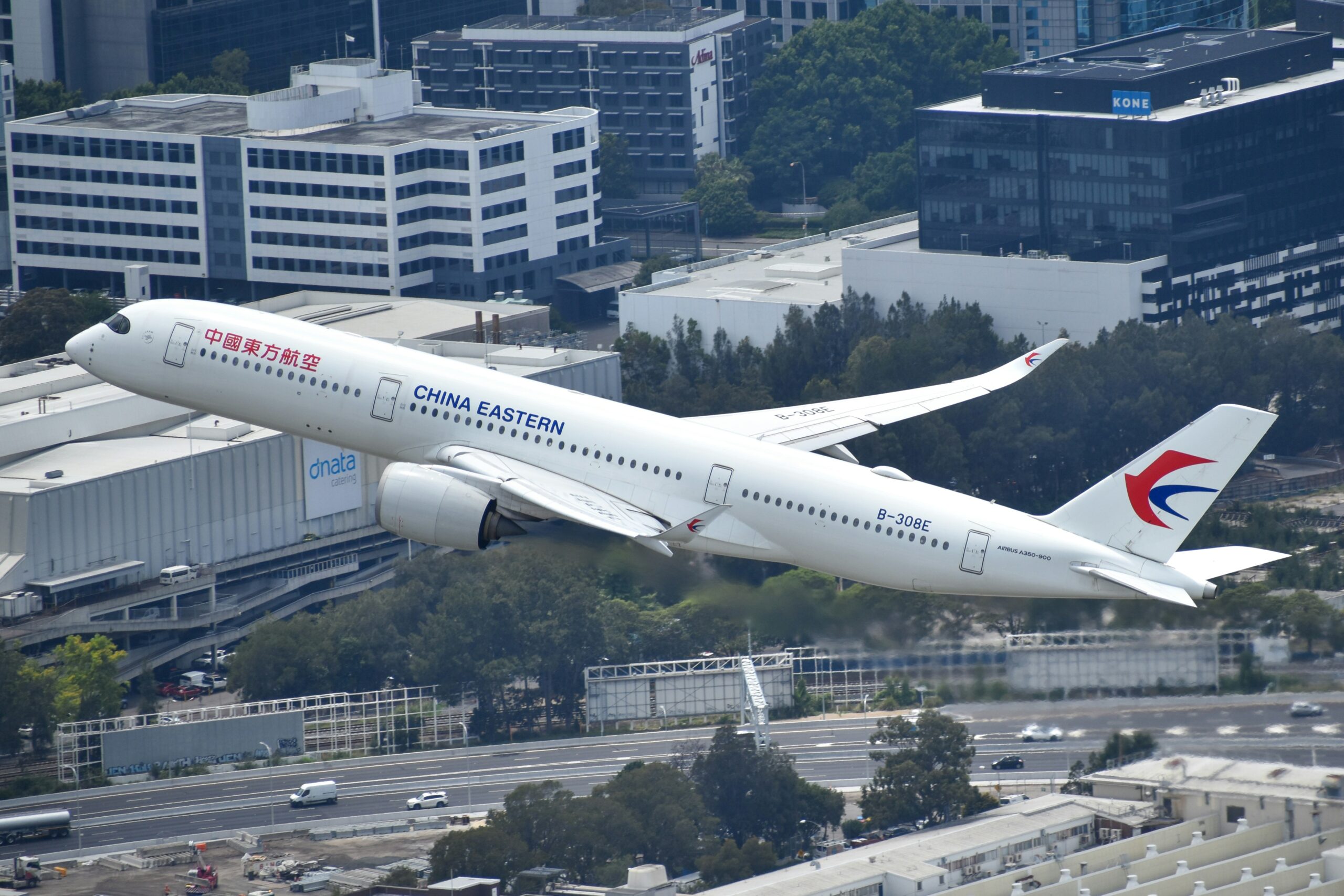
In December 2025, a new aviation record was set when China Eastern Airlines launched what is now the longest scheduled flight in the world by travel time, linking Shanghai with Buenos Aires in a journey that can take nearly 29 hours. The flight is scheduled to run twice a week in 2026. The service is reshaping expectations for ultra-long-haul travel and highlights how aircraft and airline planning are evolving to connect distant corners of the globe.
What makes it the longest, and how it compares
The Shanghai-Buenos Aires service departs from Shanghai Pudong International Airport and arrives at Buenos Aires’ Ezeiza International Airport after a stop in Auckland, New Zealand, for refuelling and crew rotation. The total distance covered is more than 20,000 kilometres, and the entire journey takes around 26 to 29 hours, depending on winds and routing. Despite the stop in Auckland, the flight retains the same aircraft and flight number throughout, classifying it as a direct flight under aviation definitions.
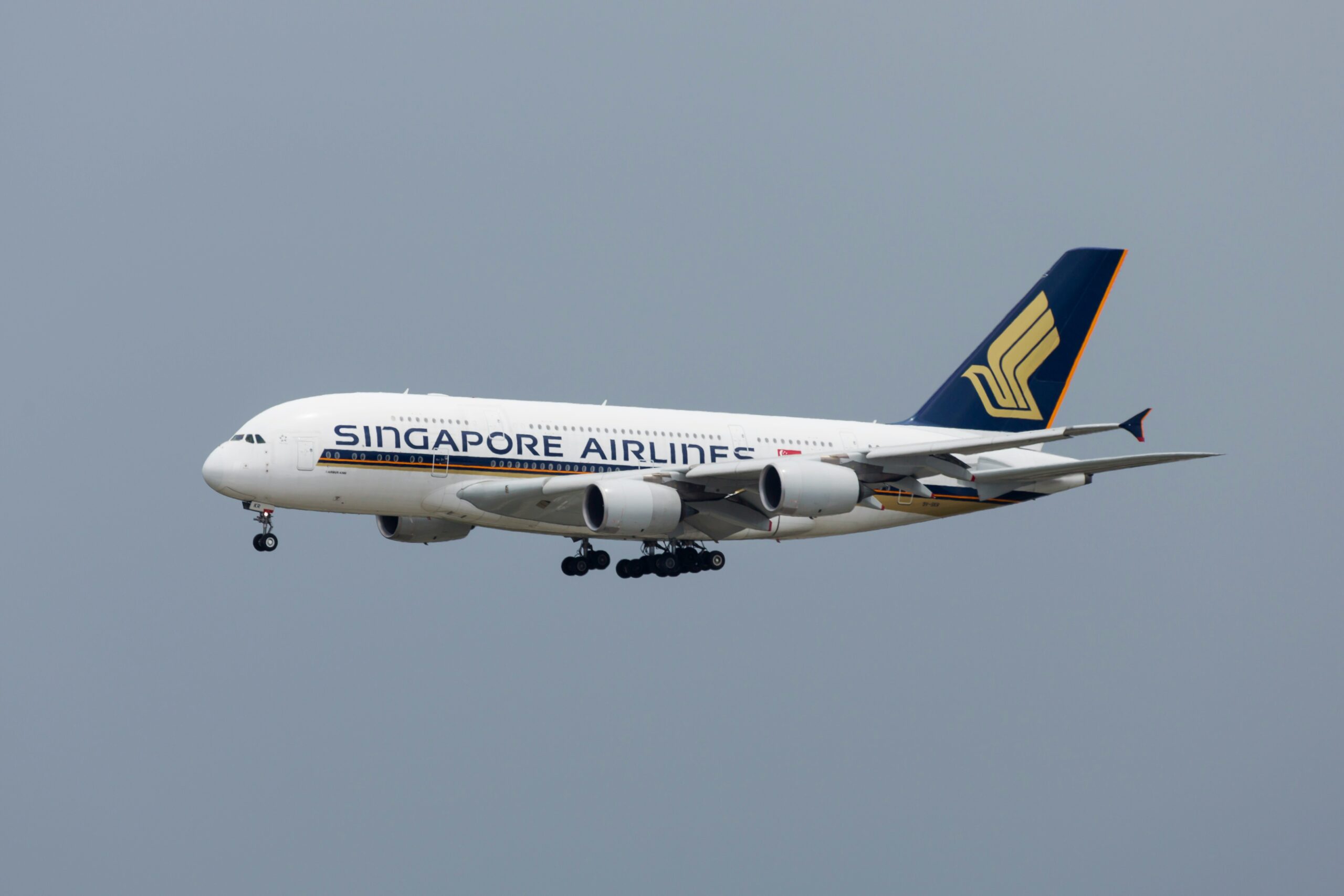
Before this route debuted, the longest scheduled nonstop commercial flights were services such as Singapore Airlines’ Singapore-New York route covering roughly 15,300 kilometres in about 18 hours and 40 minutes.
Another historic benchmark in aviation was Air Tahiti Nui’s flight between Tahiti and Paris in 2020, which briefly held the record for the longest distance nonstop by a commercial passenger service at over 15,700 kilometres.
Fuel and sustainability considerations
Airlines and manufacturers have been gradually extending the practical limits of long-haul air travel thanks to advances in aircraft design, fuel efficiency and operational planning. Aircraft like the Boeing 777-300ER used by China Eastern on the new route offer the range and payload capability needed for transcontinental services, even if they require a refuelling stop on extreme distances. Ultra-long-haul routes naturally demand large amounts of jet fuel, and airlines and manufacturers are increasingly focused on Sustainable Aviation Fuel (SAF) and other technologies to lower emissions.
Sustainable aviation fuel is widely seen as a key tool in lowering aviation emissions, with the potential to cut lifecycle carbon output by as much as 80% compared with traditional jet fuel, depending on how it is produced. In September 2024, China Eastern introduced a series of sustainability-focused flights powered by SAF, highlighting both the fuel’s practical use in commercial operations and the airline’s broader environmental goals. For the ultra-long-haul service operated by the Boeing 777-300ER, the aircraft currently flies primarily on conventional Jet A-1 fuel, with SAF used only where available and blended in limited proportions.
Operationally, long distances mean careful flight planning, crew scheduling and payload management to balance passenger comfort, range and environmental impact. For passengers, these flights often include enhanced rest facilities, multiple cabin classes and strategies to mitigate fatigue.
What do you think about the world’s longest flight? Let us know in the comments.