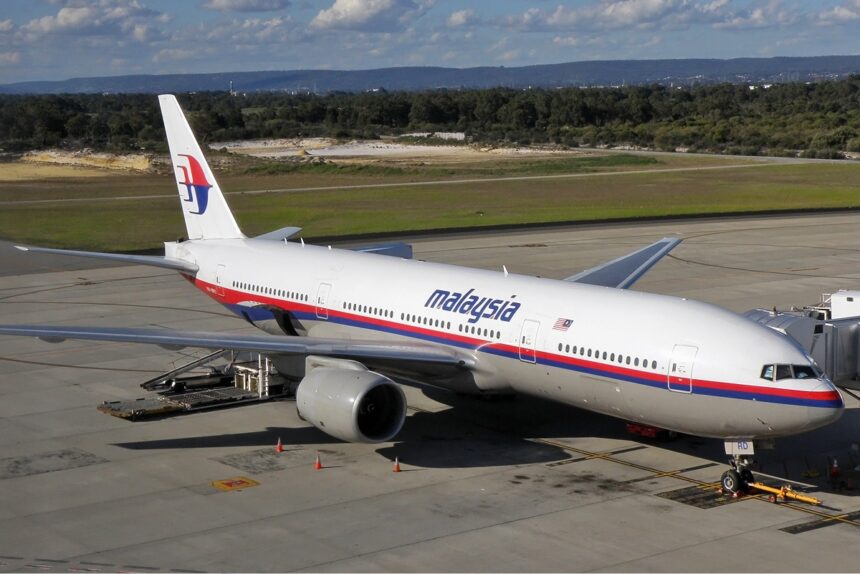
Malaysia will restart the MH370 search 2025 mission on December 30, marking the first renewed operation since 2018. The effort aims to locate the missing Malaysia Airlines MH370 aircraft and will once again be led by Ocean Infinity, the U.S.-based marine robotics firm known for its advanced deep-sea technology.
Ocean Infinity Signs New ‘No-Find, No-Fee’ Deal
In an official announcement on 19 March 2025, Malaysia’s Transport Minister Anthony Loke confirmed a “no-find, no-fee” agreement valued at $70 million, under which Ocean Infinity will only be paid if substantial wreckage of Malaysia Airlines MH370 is located.
The company will use much more advanced equipment for its Ocean Infinity MH370 deep-sea search, operating from its new 78-meter vessel, Armada 7806, built in 2023.
Ocean Infinity says its technology has greatly improved since the unsuccessful 2018 mission. This includes a newer generation of autonomous underwater vehicles that can dive as deep as 6,000 metres and stay underwater for up to 100 hours, which is twice as long as those used in the previous search. These vehicles carry upgraded sonar systems that can capture clearer, more detailed images of the seabed, allowing the team to scan the search area faster and more accurately than before.
Ocean Infinity CEO Oliver Plunkett echoed this technological progress in a New Straits Times interview ahead of last year’s proposal to the Malaysian government. He highlighted the company’s “newer technology and more advanced robotics,” developed with expert support to narrow the search to “an area where success becomes potentially achievable.”
The mission is scheduled to run for 55 days, conducted intermittently and designed to give the highest possible chance of success based on refined modelling and new analysis.

MH370: Key Facts at a Glance
- Flight: Malaysia Airlines MH370 (Boeing 777-200ER, 9M-MRO)
- Date: 8 March 2014
- Route: Kuala Lumpur (KUL) – Beijing (PEK)
- People on board: 239 (227 passengers, 12 crew)
- Last voice contact: 01:19 MYT
- Transponder lost: 01:21 MYT as the aircraft entered Vietnamese airspace
- Final satellite handshake: 08:19 MYT over the southern Indian Ocean
- Recovered debris: About 33 pieces assessed as confirmed or highly likely to be from MH370, including three major wing fragments officially verified
- 2018 investigation: Concluded the aircraft was “likely deliberately manipulated”, but could not determine who was responsible.
Search to Focus on a 15,000 km² ‘High-Probability’ Zone
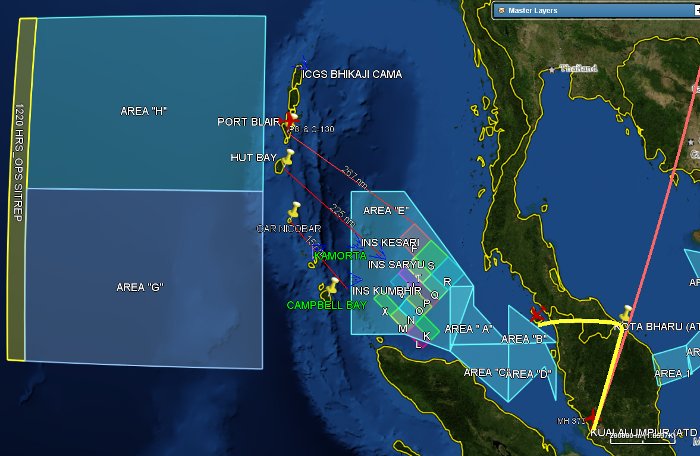
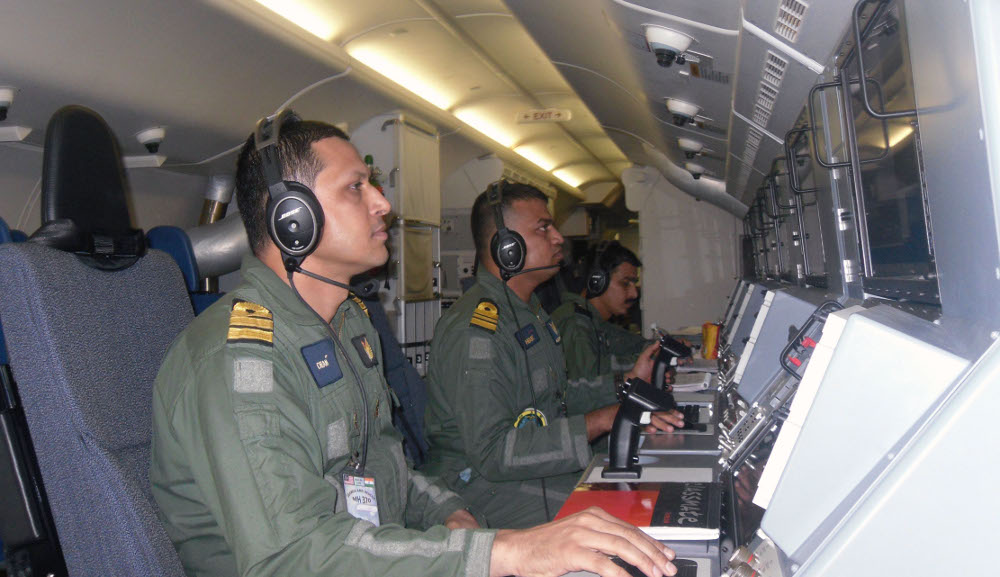
Authorities confirmed the search will focus on a new 15,000 km² MH370 high-probability search zone in the southern Indian Ocean.The latest search area is significantly narrower and more strategic than the 120,000 km² region explored during the initial search from 2014 to 2017, and the 112,000 km² surveyed by Ocean Infinity in 2018.
The zone was chosen after a recent review of key evidence, including refined satellite data, reconstructed flight paths, and drift modelling based on debris that washed ashore, all of which point to this region as offering the highest chance of locating the aircraft.
Malaysia’s Ministry of Transport said the renewed effort “underscores the Government of Malaysia’s commitment in providing closure to the families affected by this tragedy,” repeating a message first delivered in official updates on the search resumption.
China, whose citizens made up the majority of the 239 people on board, also welcomed the decision. Foreign Ministry spokesperson Lin Jian said China “appreciated the efforts made by the Malaysian side” in resuming the search.
A Mystery Still Without Answers
The disappearance of Malaysia Airlines MH370 remains one of aviation’s greatest unsolved cases. A comprehensive 495-page report released in 2018 concluded the aircraft deviated from its intended route in a manner consistent with “unlawful interference,” but investigators could not identify who was responsible.
Despite extensive searches-making the operation the most expensive aviation recovery effort in history-no definitive wreckage site has been discovered. Only debris washed ashore across the western Indian Ocean has been confirmed as coming from the aircraft. Read about earlier development on the topic here.
It has continued to attract serious attention from investigative podcasters as well as mainstream commentators. Dedicated series such as Finding MH370, Deep Dive: MH370, Vanished: The MH370 Mystery, and aviation-focused podcasts like The Afterburn Podcast have examined the case using satellite data, flight-path reconstruction, and drift-modelling research to revisit what may have happened to the aircraft.
Public-figure podcasts have also revisited the case, including a widely viewed episode by Candace Owens, who examined longstanding inconsistencies, gaps in public information, and alternative interpretations that have circulated since 2014. These discussions highlight how MH370 remains a subject of global fascination and debate, even as the official search prepares to resume.
If substantial wreckage is located, Malaysia has confirmed it will reopen a full Annex 13 investigation, a move that could finally offer long-awaited clarity to families and help resolve one of the most enduring mysteries in modern aviation.
As the MH370 search 2025 begins, the world will once again be watching. What are your thoughts on the renewed effort? Share your views with us and stay with Travel Radar for the latest updates as the search unfolds.